HIDRA
Last updated
Associated Organization:
Project Status
Operating
Publications
Nuclear Fusion, 2026
Journal of Fusion Energy, 2026
Journal of Fusion Energy, 2023
Plasma Physics and Controlled Fusion, 2022
Fusion Engineering and Design, 2022
Physica Scripta, 2020
Physics of Plasmas, 2019
IEEE Transactions on Plasma Science, 2018
Fusion Engineering and Design, 2018
Fusion Science and Technology, 2017
Years Operated
2014 - Present
The Hybrid Illinois Device for Research and Applications (HIDRA) is a 5-period, l = 2, m = 5, classical stellarator at the University of Illinois Urbana-Champaign since 2014. It is the former WEGA device that has been in operation since 1975 and was at CEA Grenoble, University of Stuttgart and the Max-Planck Institute for Plasma Physics, Greifswald. HIDRA is a steady state device with plasma discharges up to t = 10,000 s and can produce a toroidal field up to 0.5 T. It has 40 toroidal coils, 4 helical coils, 2 poloidal coils and 86 ports for plasma access. It has a major radius of 0.72 m and a minor radius of 0.19 m and up to 21 kW of ECRH heating. As WEGA, the device was originally built as a tokamak and when converted to a stellarator still kept the center stack and yolks intact, thus giving the machine also potential tokamak capabilities, hence the hybrid designation.
The mission and role for HIDRA is to study plasma material interactions in particular with liquid lithium where it can contribute to the liquid metal core edge (LMCE) solution. This is achieved via a material analysis tool (HIDRA-MAT) and liquid metal loops planned for the near future and also to train the next generations of plasma and fusion researchers and engineers that will go into academia, national labs and the fusion industry.
As former WEGA Device:
CEA, Grenoble 1975-1982, University of Stuttgart 1982-2000, Max-Planck Institute for Plasma Physics, Greifswald 2000-2014
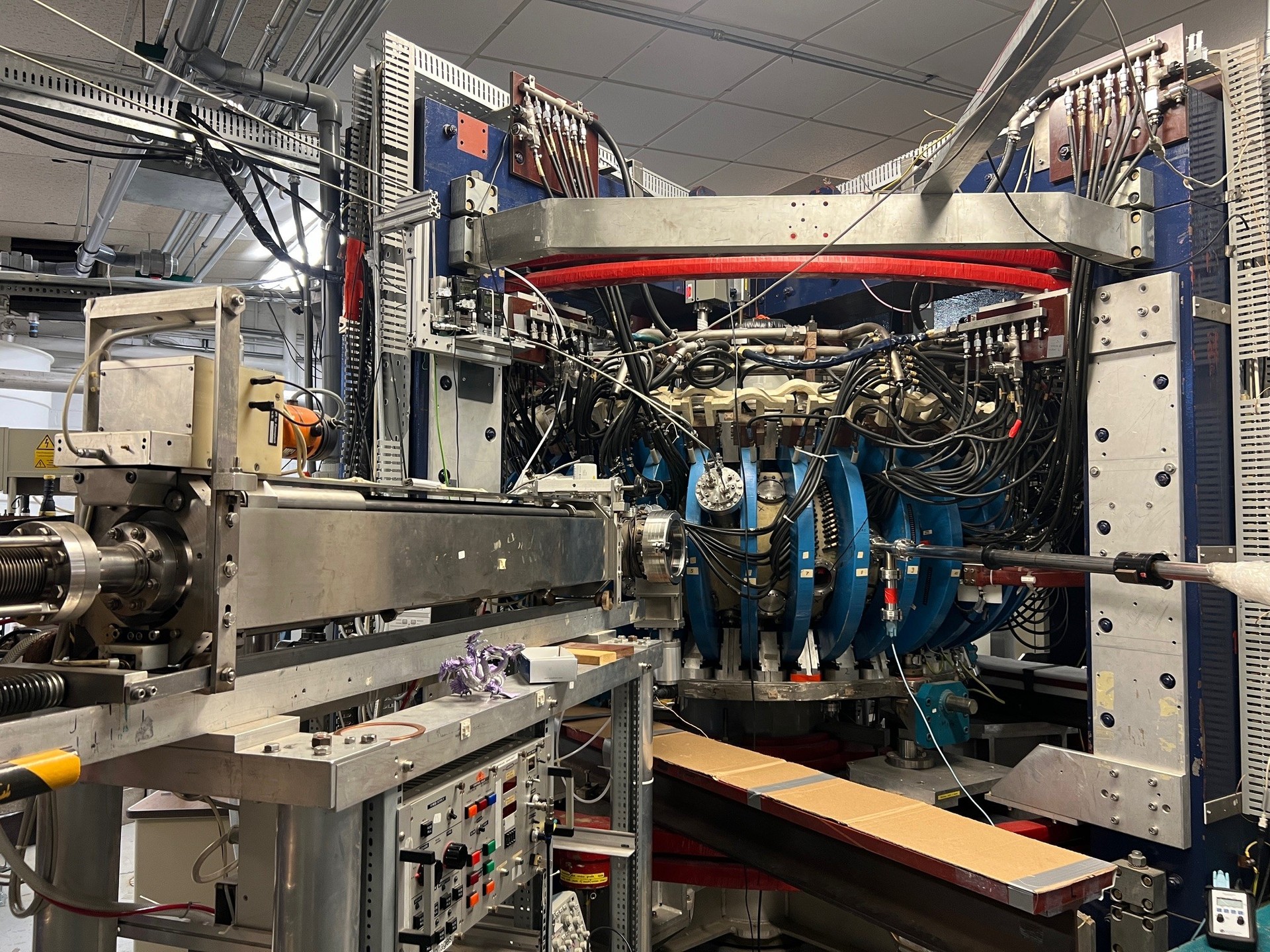
Image 1: The Hybrid Illinois Device for Research and applications (HIDRA) as of January 2026. Located in the Center for Plasma Material-Interactions (CMPI) in the Nuclear Plasma and Radiological engineering department (NPRE) at the University of Illinois Urbana-Champaign (UIUC). To the left is a reciprocating langmuir probe system and to the right a Hall probe for B-filed measurements.
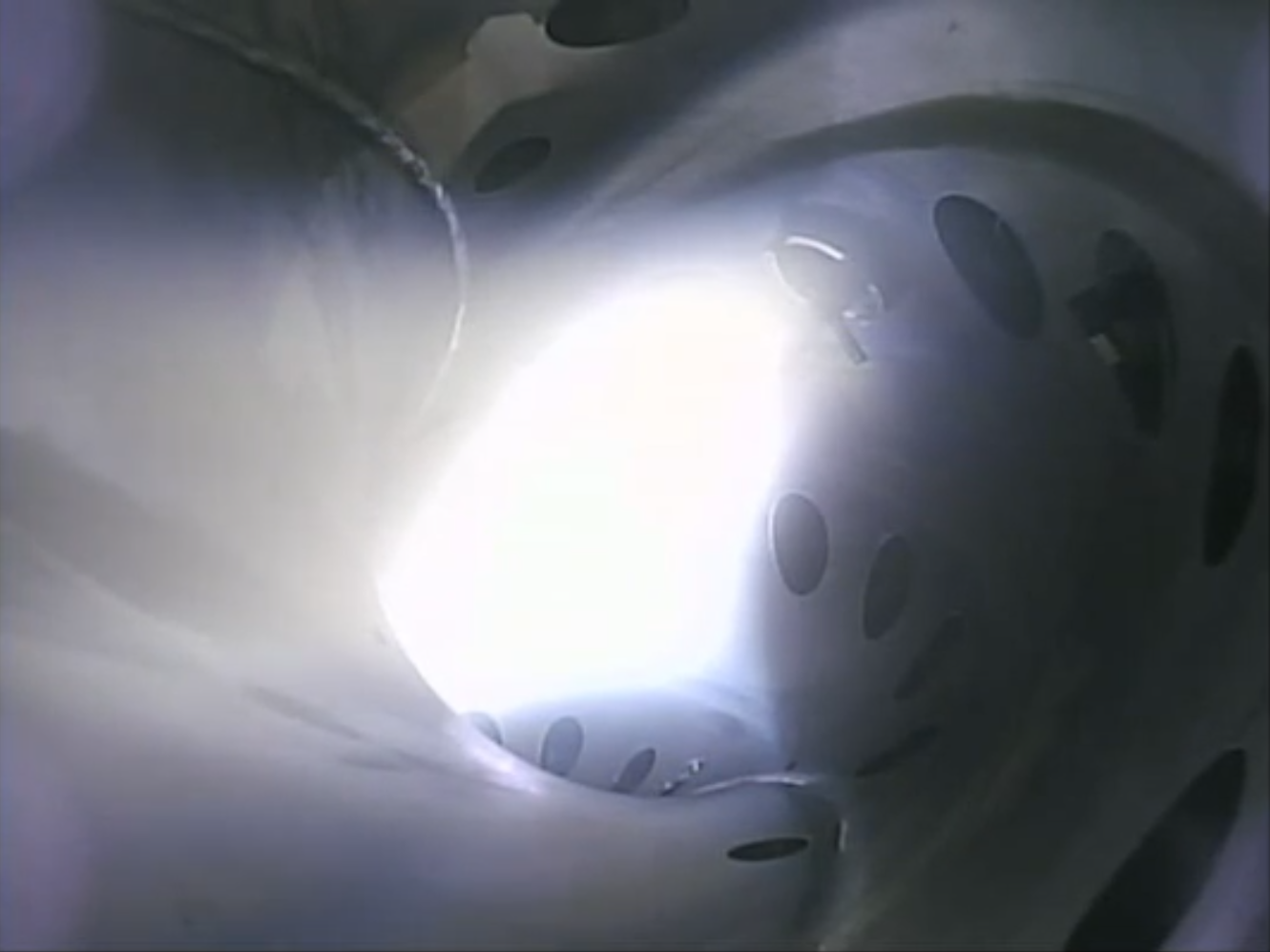
Image 2: Plasma inside HIDRA under normal (high-recycling) conditions. The bright glow shows the presence of high background neutral gas interacting with the plasma
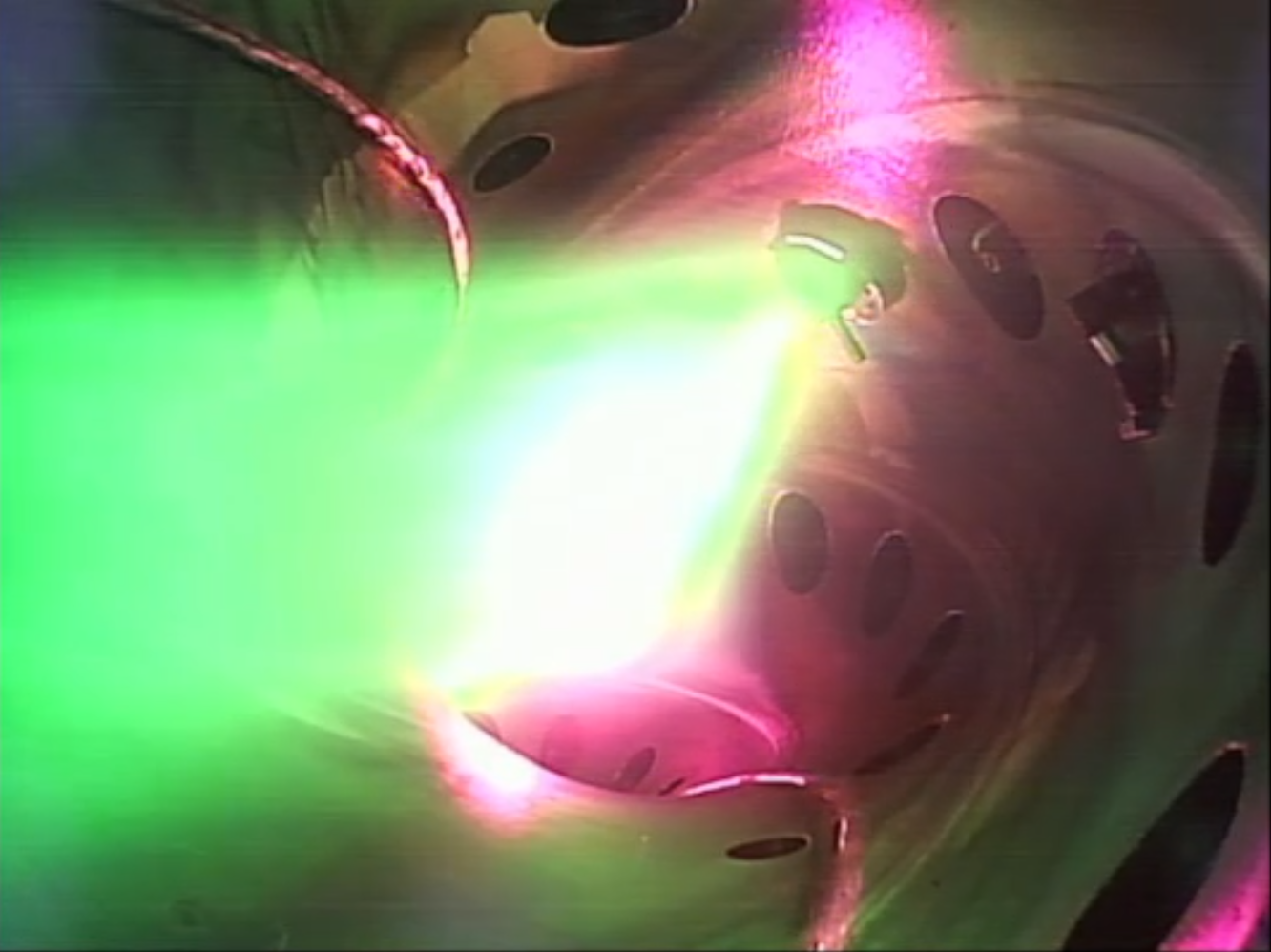
Image 3: Plasma in HIDRA with initial lithium operation. When inserted into the plasma edge a flood of lithium is injected into the plasma. The bright green is indicative of lithium ions present. The red light is excited lithium atom emission from when the ions hit the vessel wall.
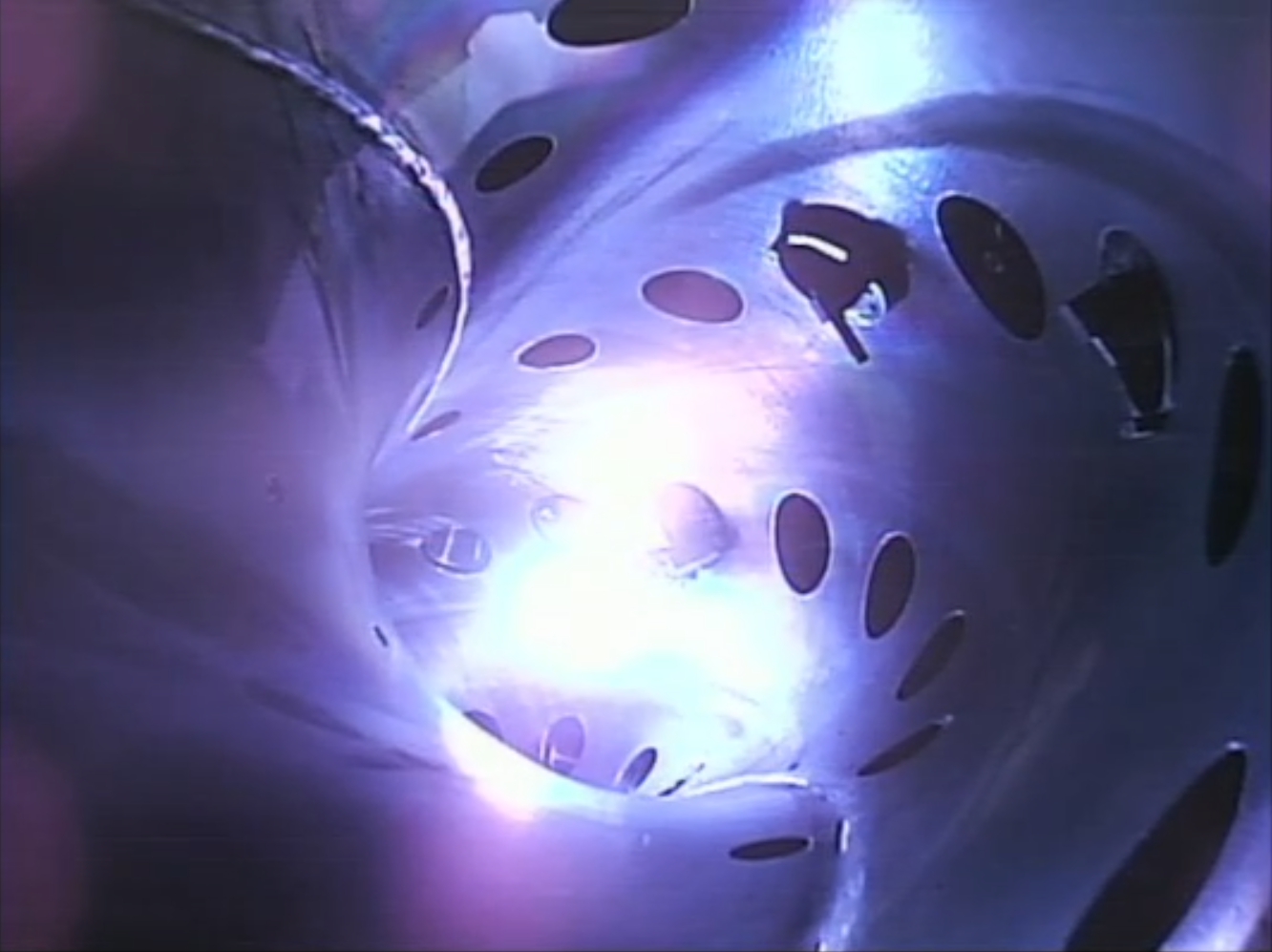
Image 4: Plasma in HIDRA under low recycling conditions. The plasma now is almost fully ionized since there is no background gas to bleed the energy away. The plasma looks almost transparent.
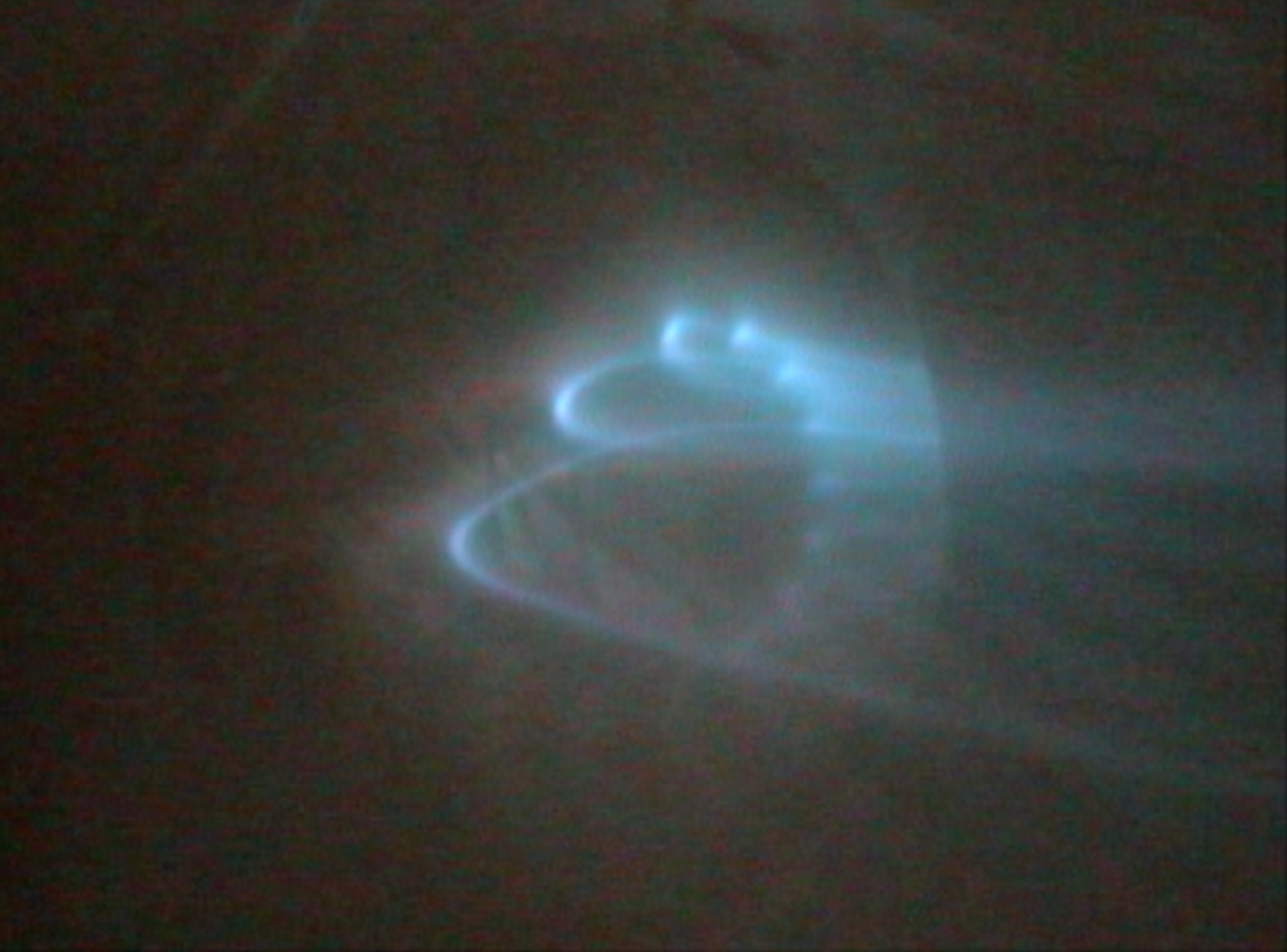
Image 5: Electron beam in HIDRA showing the path of constant magnetic field the electron follow.
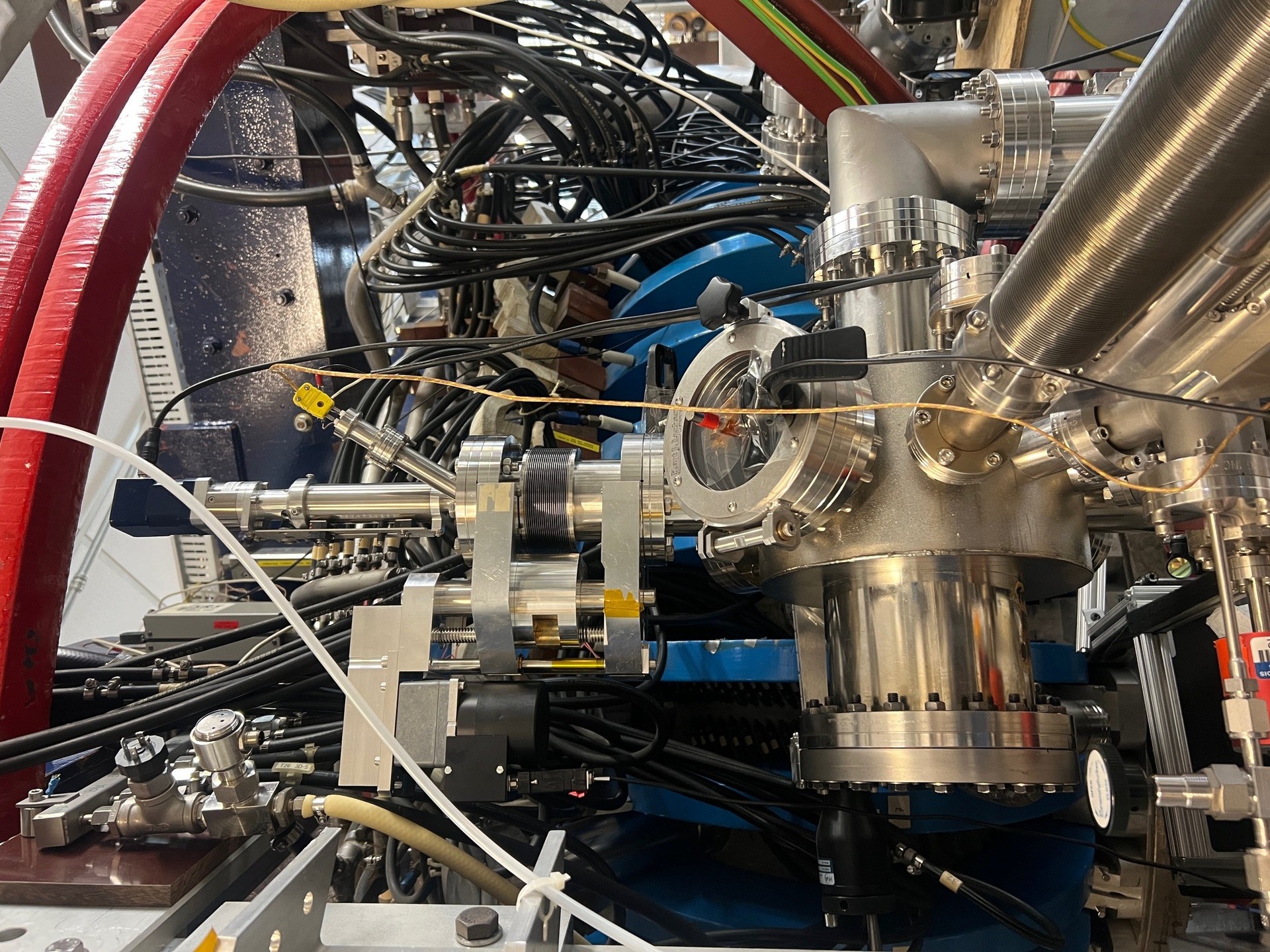
Image 6: The HIDRA Materials Analysis Teststand (HIDRA-MAT) used for long pulse material testing with HIDRA plasmas. Can see the lithium injector for plasma surfaces.