
Projects
Add and manage your project page
A
TAE Technologies
1998 - 2000
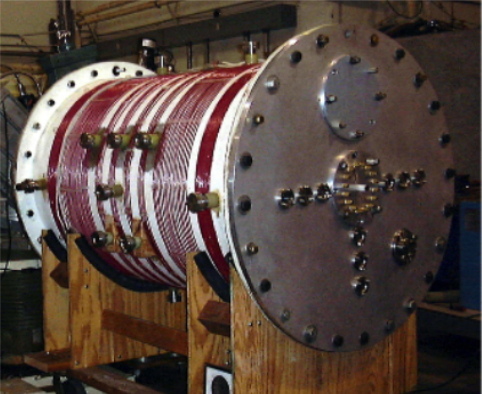
"A" was the first device made by TAE Technologies at the end of the 90's. It was built at the University of California, Irvine by TAE's founders and a group of students. The vacuum vessel was made out of a fiberglass sewer pipe. It was used for basic scientific and technological development of FRC devices.
ACT-1
Princeton Plasma Physics Laboratory
1979 - 1985
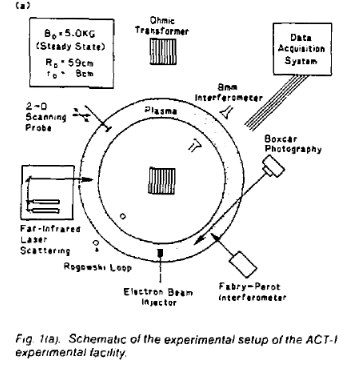
The Advanced Concept Torus (ACT-1) was a steady state toroidal device which was operated at PPPL. Its vacuum chamber was made of aluminum with a water cooling system and 26 toroidal field coils capable of produce a 0.56 T magnetic field on the axis. ACT-1 had a toroidal plasma with a minor radius of 10 cm and a major radius of 59 cm. It was used for the study of radiofrequency heating, specifically in lower hybrid waves and ion cyclotron waves. In 1985, ACT-1 was converted into the Current Drive Experiment (CDX)
Alcator A
Massachusetts Institute of Technology
1972 - 1980
Alcator C
Massachusetts Institute of Technology
1979 - 1987
ARC
Commonwealth Fusion Systems
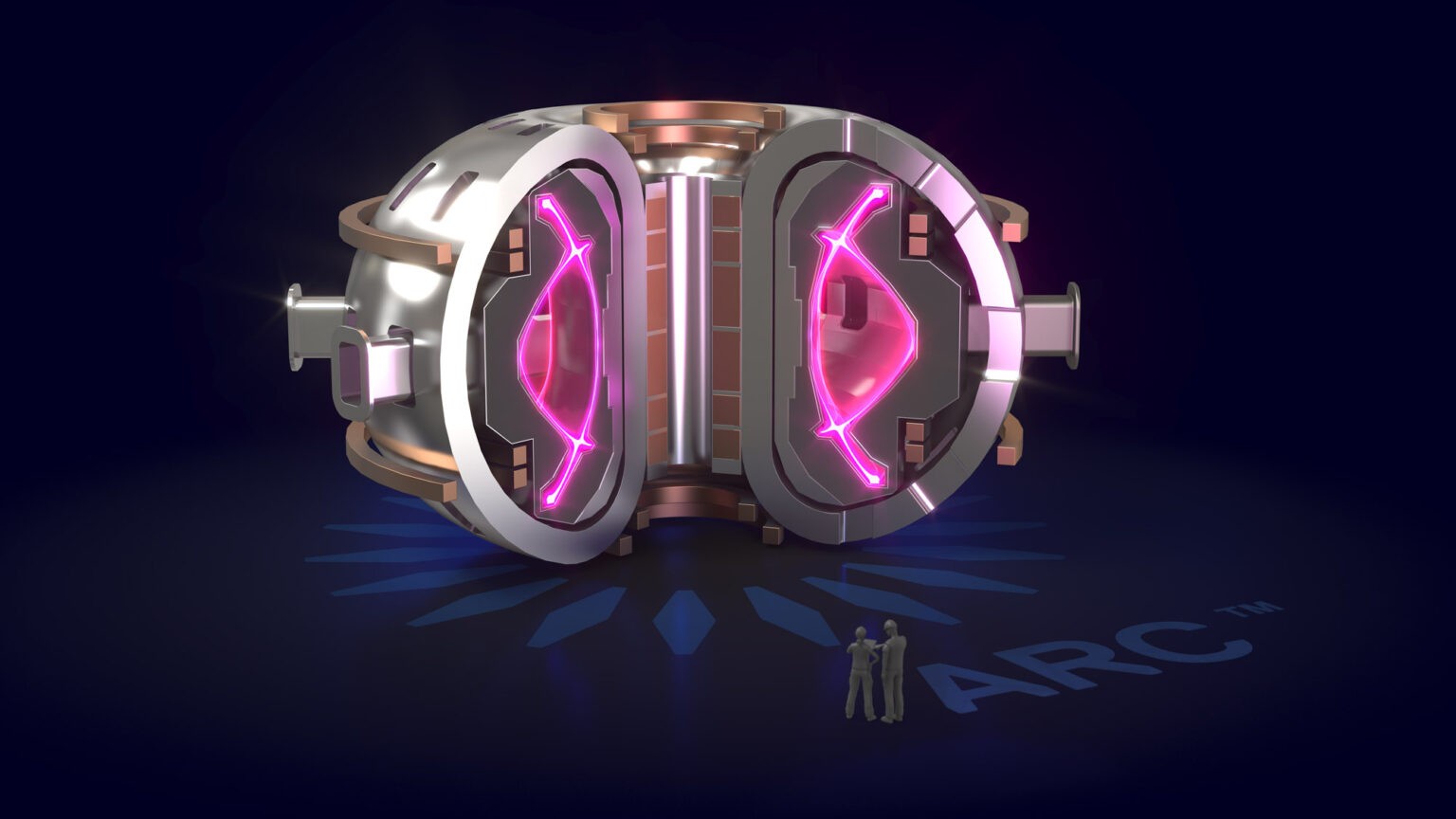
The ARC tokamak concept was created by the team at MIT that founded Commonwealth Fusion Systems (CFS). For operation, the ARC tokamak will make use of high temperature superconducting magnets.
The goal of the ARC fusion device is to serve as a commercial, compact power plant for the electrical grid. CFS currently aims to have the first ARC power plant up and running by the early 2030s. The first ARC location has been announced for Chesterfield County, Virginia.
ASDEX
Max Planck Institute for Plasma Physics
1980 - 1990
The ASDEX tokamak began operation in 1980 and H-mode was discovered in ASDEX in 1982. In 1991 it was transferred to SWIP (Southwestern Institute of Physics) in Chengdu, China and it was used to build HL-2A.
ASDEX-U
Max Planck Institute for Plasma Physics
1991 - Present
B
TAE Technologies
2000 - 2004
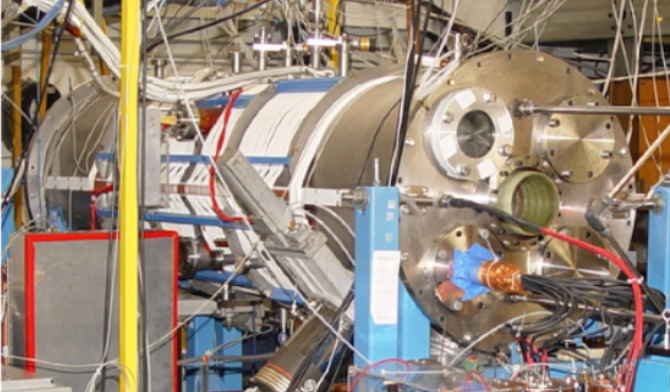
"B" was the second device made by TAE Technologies. Like A, it was used for the basic scientific and technological development of FRCs.
BEST
Neo Fusion + 1
2023 - Present
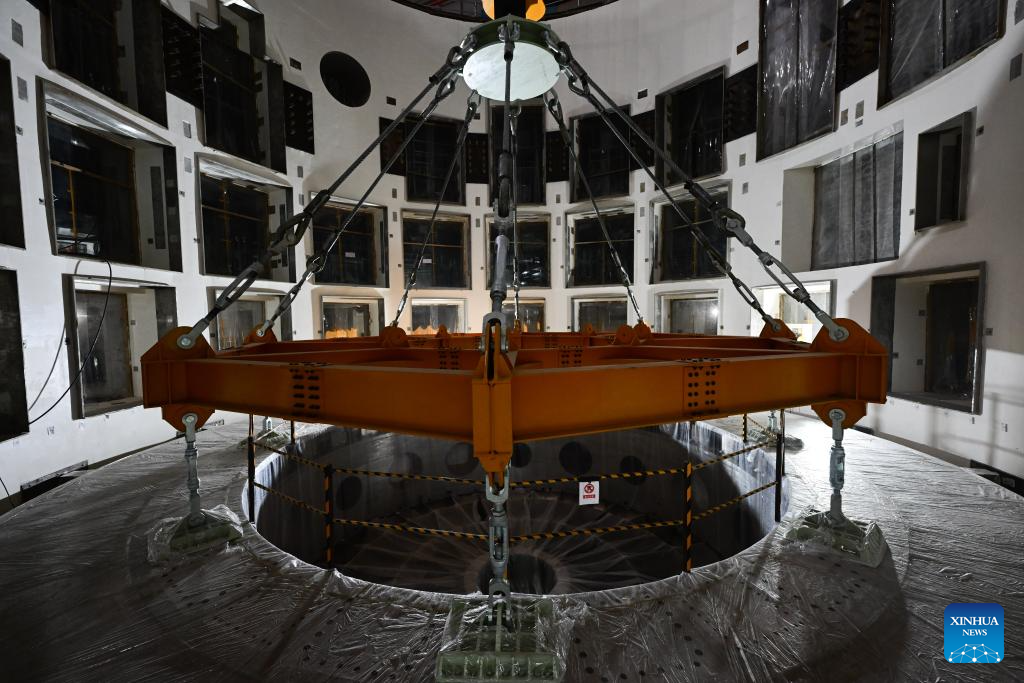
China Fusion Energy has entered the final stage of assembling its Burning Plasma Experimental Superconducting Tokamak (BEST) at the Institute of Energy in the Hefei Comprehensive National Science Centre. BEST began construction in 2023 and is expected to be completed in 2027.
BEST is an intermediate phase between China’s Experimental Advanced Superconducting Tokamak (EAST) and the future Chinese Fusion Engineering Demo Reactor (CFEDR).
C-1
TAE Technologies
2004 - 2009
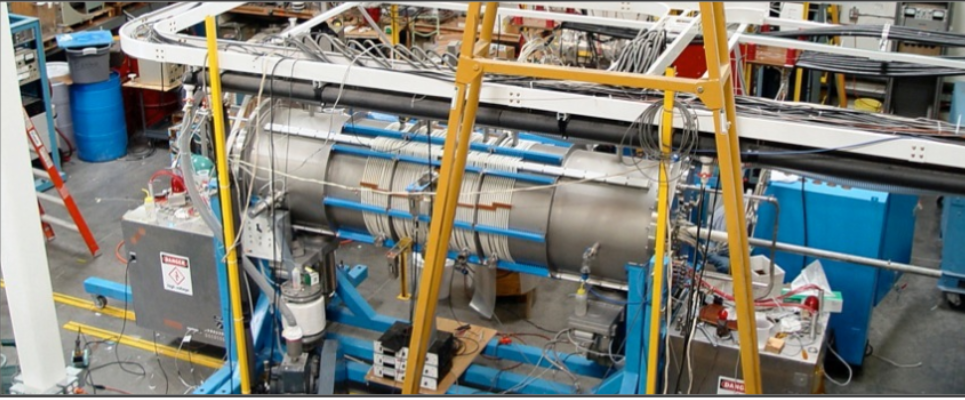
C-1 was a field reversed configuration device built by TAE Technologies around 2004. It was a more robust device than A or B but it was not a full scale device as was C-2. C-1 was used to test Pulsed-Inductive Thrusters, a concept developed for space propulsion. C-1 could confine a plasma for 1 ms.
C-2
TAE Technologies
2009 - 2013
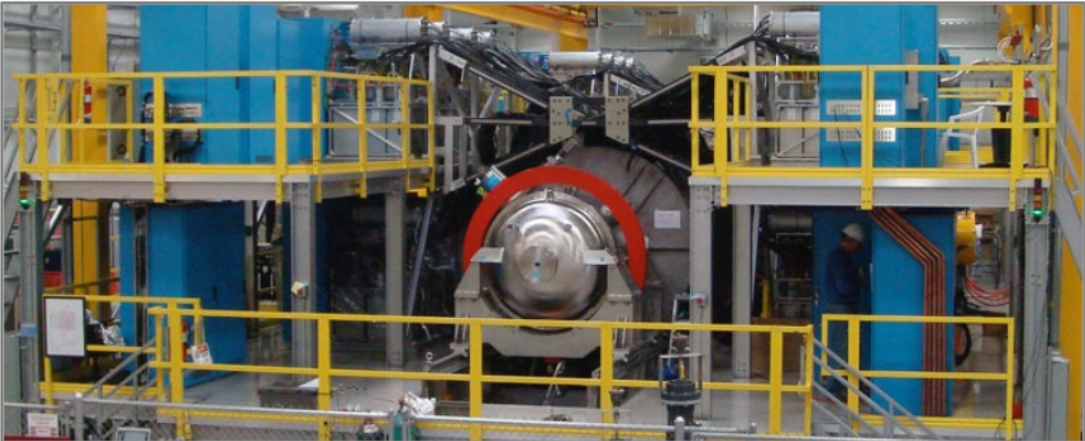
The C-2 was a field reversed configuration device developed by TAE technologies. It was the first full scale device made by the company. A key accomplished goal of C-2 was to demonstrate a High Performance FRC (HPF), eg. improved confinement and stability compared to previous FRC efforts. Additionally the demonstration of heating and stability from Neutral Beam Injection was an important achievement of this device. In 2013, C-2 was upgraded to C-2U.
C-2U
TAE Technologies
2013 - 2015
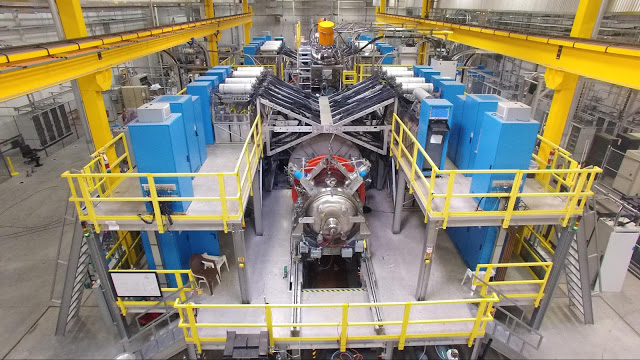
C-2U was an upgrade of the C-2 experiment. The neutral beam input power was upgraded from ~4MW (20keV Hydrogen) to 10+MW (15keV Hydrogen) and the injection angle was tilted to improve neutral beam to FRC coupling and reduce shine-through losses. Additionally, the edge-biasing capability inside each end-diverter was improved. The key accomplishment of C-2U was FRC stability limited only by hardware and stored energy (eg. neutral beam pulse duration and current sourcing capability of end guns). C-2U was shut down in 2015 to be upgraded again into C-2W
C-2W
TAE Technologies
2016 - 2019
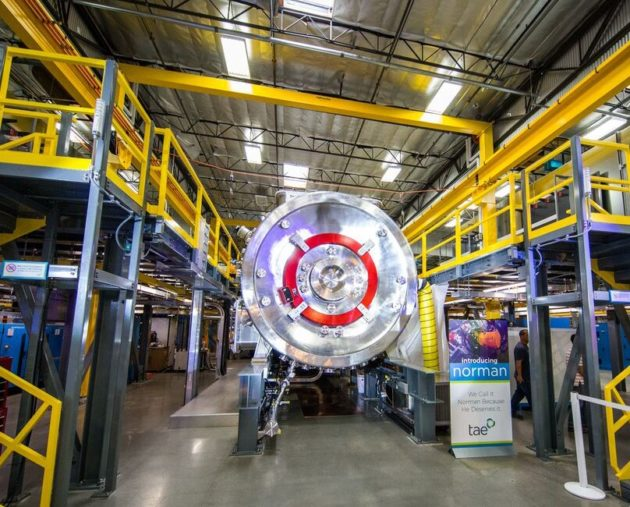
C-2W is an upgrade of the C-2U experiment. The neutral beam power was upgraded to up to ~21 MW and adjustable energies (15-40keV). Pulse duration was extended to up to 30ms. Inner diverters with upgraded edge-biasing electrode systems allowing for longer (30ms+) were installed. A number of other enhancements were added as well.
In 2017, C-2W was renamed as "Norman" to honor late TAE Technologies co-founder, Norman Rostoker.
Caltech Spheromak Experiment
California Institute of Technology
CBFR-SPS
TAE Technologies
CDX
Princeton Plasma Physics Laboratory
1986 - 1989
The Current Drive Experiment (CDX) was a device located at PPPL. It was an upgrade of ACT-1 made to explore current drive and current profile control methods. CDX was the first tokamak to use the DC helicity injection concept (a method to continuously inject electrons to maintain the plasma current) to initiate and maintain the plasma discharge. In 1989 CDX was upgraded into CDX-U to explore the helicity injection in a small aspect ratio device.
CDX-U
Princeton Plasma Physics Laboratory
1992 - 2005
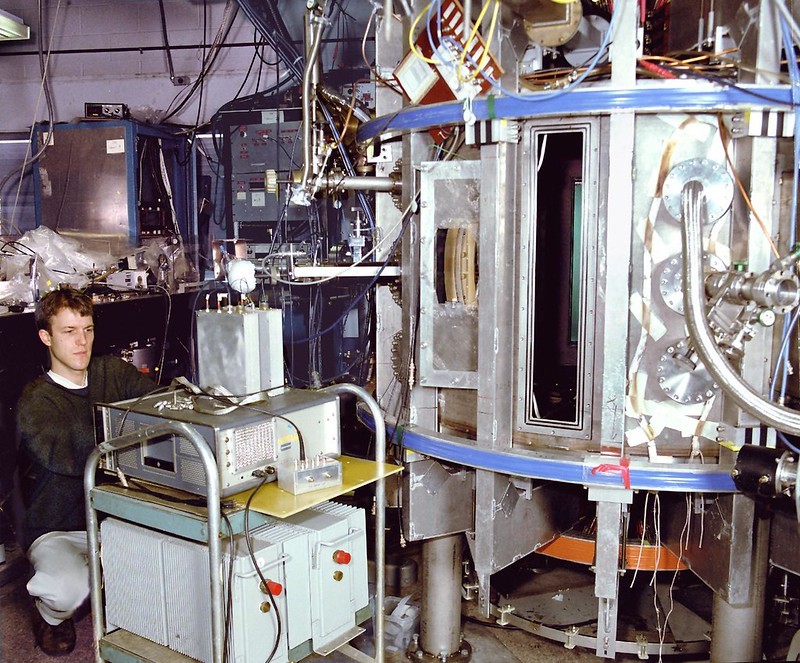
The Current Drive Experiment-Upgrade (CDX-U) was an upgraded version of CDX located at PPPL. CDX-U was the first spherical tokamak in the United States and was originally made to continue the research from CDX but in a spherical tokamak configuration. In 2000, CDX-U began operations with a liquid lithium limiter in contact with the plasma. This addition made a major improvement in the energy confinement time since the lithium absorbs impurities which drive energy losses. These results led to the transformation of the device into LTX in 2005.
Century
Zap Energy
2024 - Present
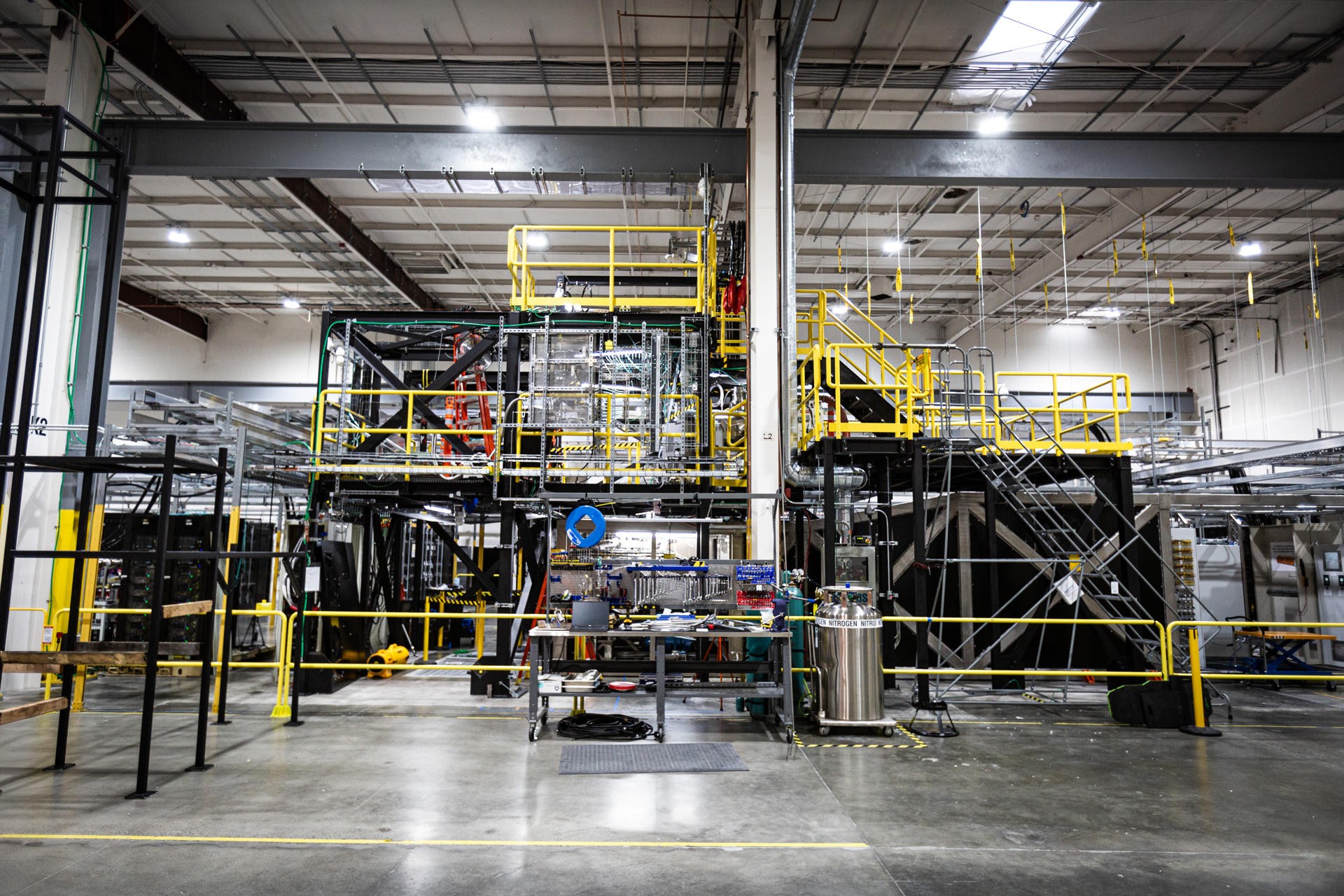
Century is the centerpiece of Zap Energy's program developing and integrating power handling systems suitable for future power plants. Three primary technologies under development include high average-power repetitive pulsed power, high duty-cycle cathodes, and liquid metal wall systems. Century is capable of firing non-reacting hydrogen SFS Z-pinch plasmas into a liquid metal-lined container at sustained repetition rates on the order of 0.2 Hz. Century is based on FuZE device designs but is not operated with deuterium fuel gas in order to alleviate the need for radiation shielding from fusion byproducts. The pulsed power driver and liquid metal heat exchanger are both designed to sustain input powers of 100 kW.
CFEDR
Hefei Institutes of Physical Science
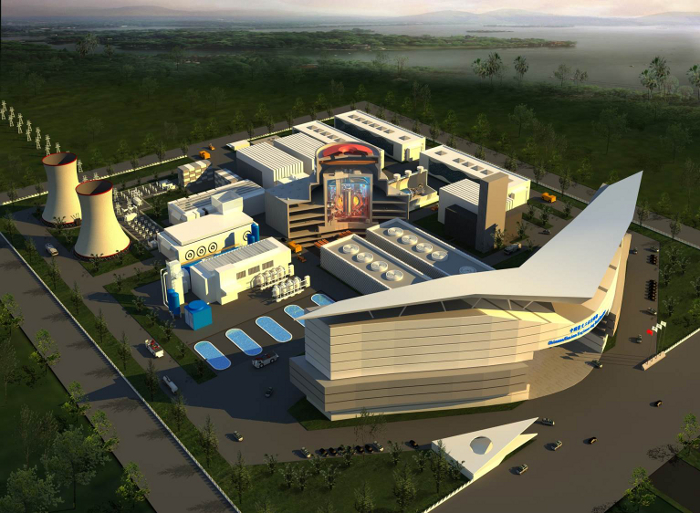
The China Fusion Engineering Demo Reactor (CFEDR) is a planned tokamak facility designed to bridge the gap between experimental fusion research and commercial power plants. It is an evolution of the CFETR concept; this device aims to generate 1.5 to 3 gigawatts of fusion power while demonstrating the ability to breed its own tritium fuel for sustained operations.
CFR
Lockheed Martin Skunk Works

