LHD
Last updated
Associated Organizations:
Project Status
Operating
Publications
arXiv (physics.plasm-ph), 2026
Nuclear Fusion, 2026
Nuclear Fusion, 2026
Nuclear Fusion, 2026
Nuclear Fusion, 2026
Journal of Fusion Energy, 2026
Plasma Physics and Controlled Fusion, 2026
Journal of Fusion Energy, 2026
Journal of Fusion Energy, 2026
Nuclear Fusion, 2026
Years Operated
1998 - Present
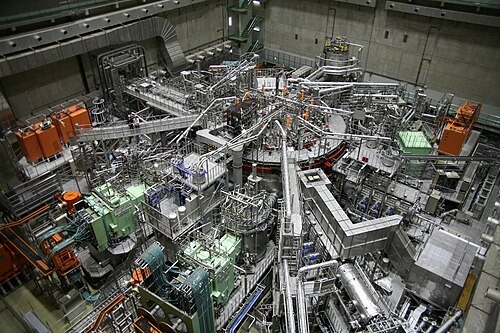
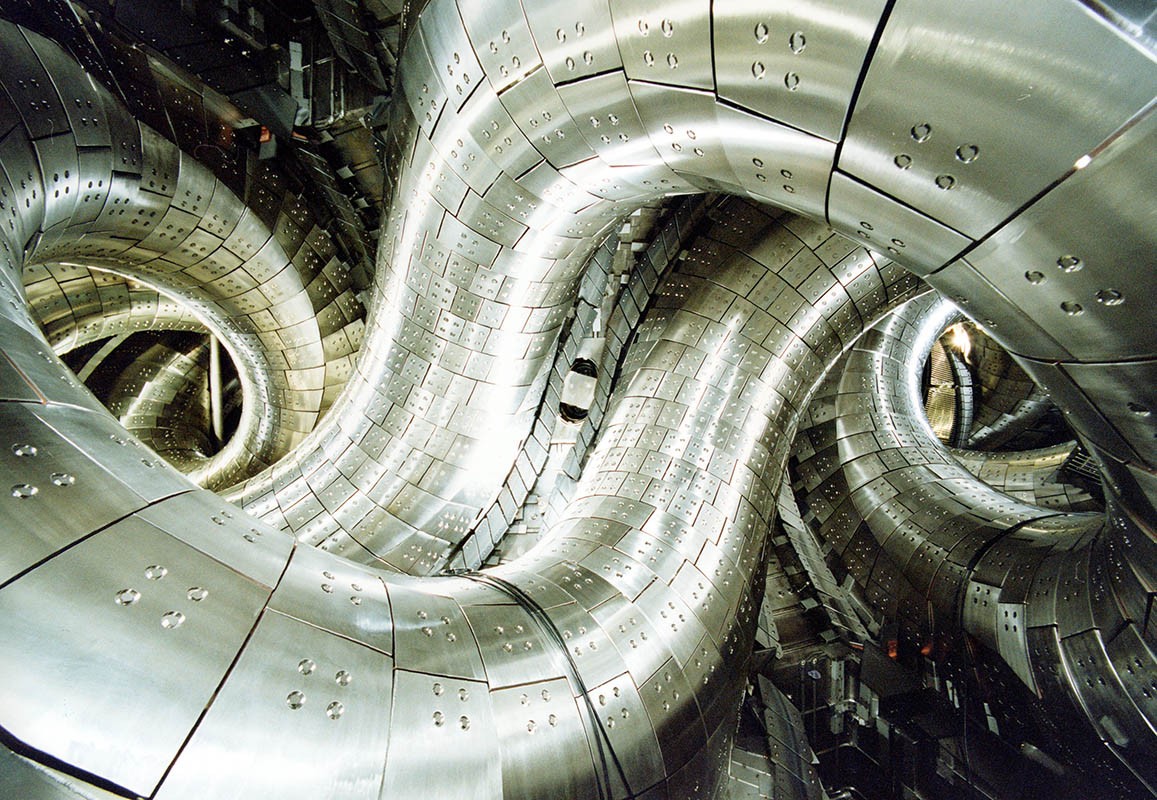
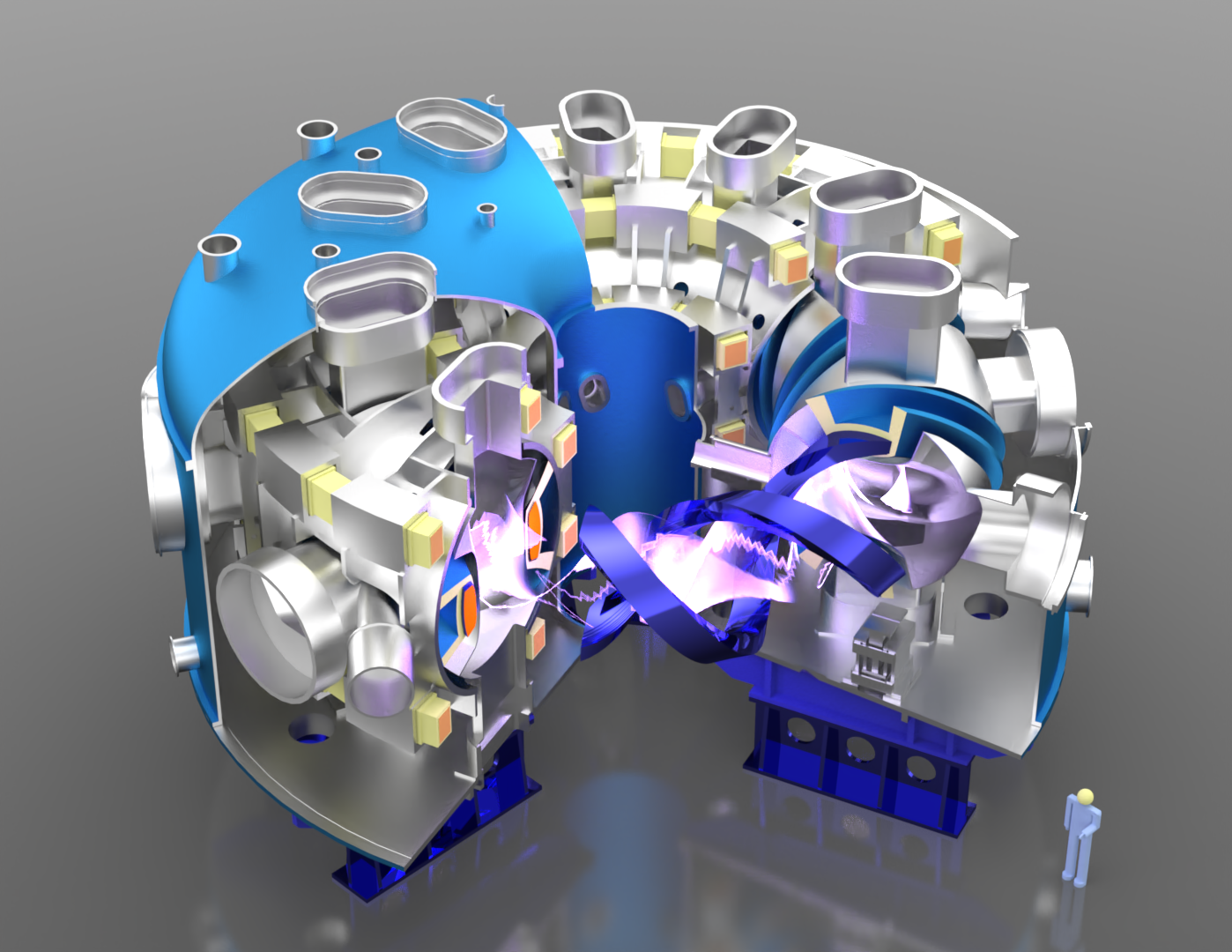
The Large Helical Device (LHD) is a superconducting helical stellarator (heliotron) operated by the National Institute for Fusion Science (NIFS) in Japan. Since beginning operation in 1998, LHD has pursued steady-state, high-temperature plasma confinement as a pathfinder for helical stellarator fusion approach. It has demonstrated plasmas with ion and electron temperatures reaching over 100 million degrees Celsius, establishing reactor-relevant high-temperature operation in a stellarator configuration. LHD was constructed on time and on budget through the efforts and capabilities of Japanese engineering companies, demonstrating Japan’s strength in large-scale, high-precision fusion engineering.
LHD has also set landmark records for long-pulse operation, sustaining high-temperature plasmas for more than 3,000 seconds (about one hour), thereby experimentally demonstrating steady-state capability with superconducting coils and continuous heating systems. In terms of overall performance, LHD has achieved fusion triple products exceeding 10¹⁹ keV·s/m³, in the same order of magnitude as the high-performance discharges reported on Germany’s Wendelstein 7-X stellarator, underscoring the competitiveness of the stellarator approach to magnetic confinement fusion.