
Experimental Identification of the n=2 Error Field and its Interaction with MHD Activity and Plasma Rotation in MAST-U
Aug 24, 2026 • Plasma Physics and Controlled Fusion
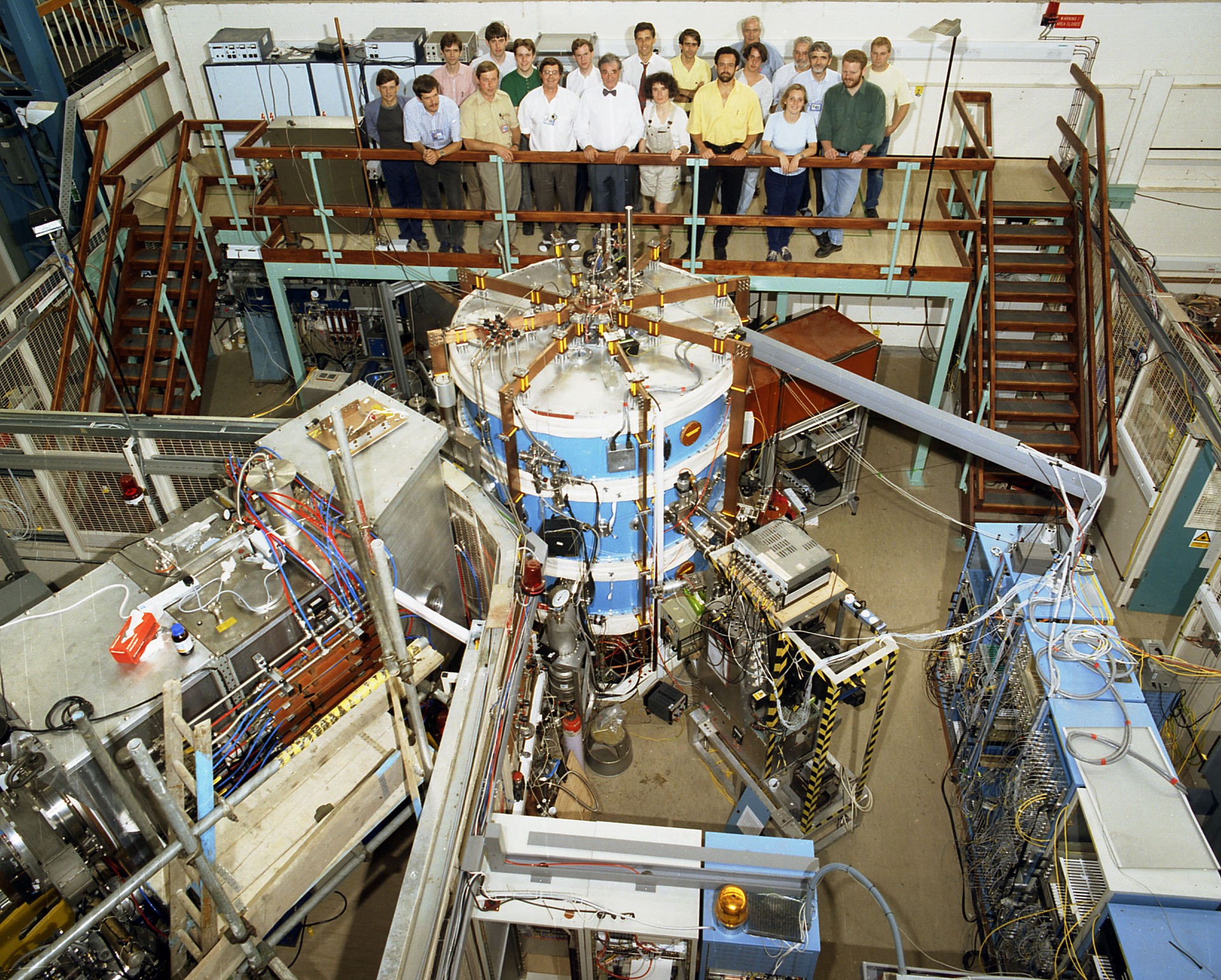
The Culham Centre for Fusion Energy (CCFE) is the UK's national laboratory for fusion research. CCFE is based at Culham Science Centre in Oxfordshire, and is owned and operated by the United Kingdom Atomic Energy Authority. CCFE houses two major fusion experiment facilities, JET (Joint European Torus) and MAST (Mega Amp Spherical Tokamak), focused on preparing the ground for the commercial use of fusion as a way to generate cleaner energy.
Aug 24, 2026 • Plasma Physics and Controlled Fusion
Aug 21, 2026 • Nuclear Fusion
Aug 17, 2026 • Plasma Physics and Controlled Fusion
Aug 14, 2026 • Nuclear Fusion
Aug 10, 2026 • Plasma Physics and Controlled Fusion
Aug 9, 2026 • Plasma Physics and Controlled Fusion
Aug 7, 2026 • Nuclear Fusion
Aug 4, 2026 • Nuclear Fusion
Jul 29, 2026 • Nuclear Fusion
Jul 26, 2026 • Plasma Physics and Controlled Fusion
1989 - 1992

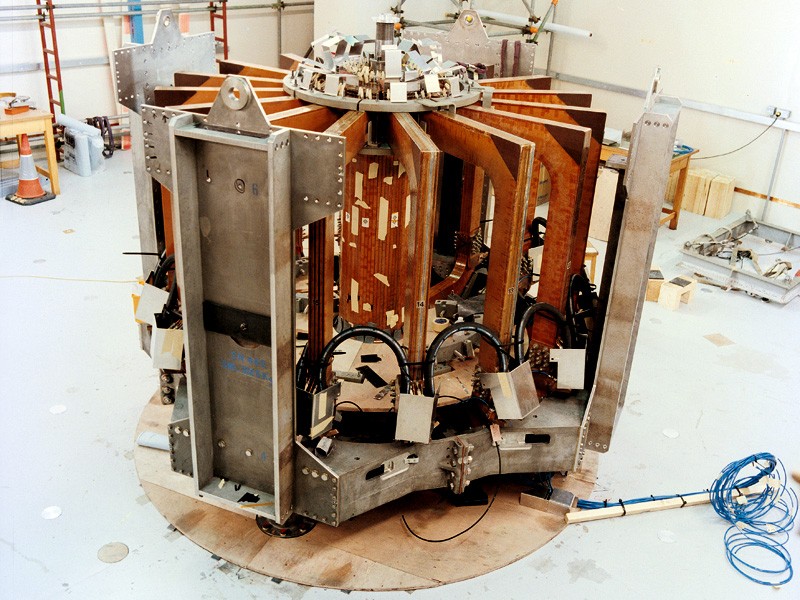
COMPASS-C stands for COMPact ASSembly-circular. It was operated at Culham Centre for Fusion Energy from 1989 to 1992. COMPASS was a low-magnetic field, shaped-plasma cross section tokamak. The aim of COMPASS-C was to explore MHD physics in circular-shaped plasmas. COMPASS-C was replaced by COMPASS-D in order to study high beta tokamak design.
1992 - 2000

COMPASS-D, short for COMPact ASSembly D shaped vessel, operated at Culham Centre for Fusion Energy from 1992 to 2000. COMPASS was a flexible tokamak machine that focused on the plasma physics, in particular, MHD studies of D shaped tokamaks. Experimental results from COMPASS contributed to the design of ITER. In 2007, the COMPASS-D was transferred to Prague’s institute of plasma physics Institute of Plasma Physics of the Czech Academy of Sciences
1970 - 1980

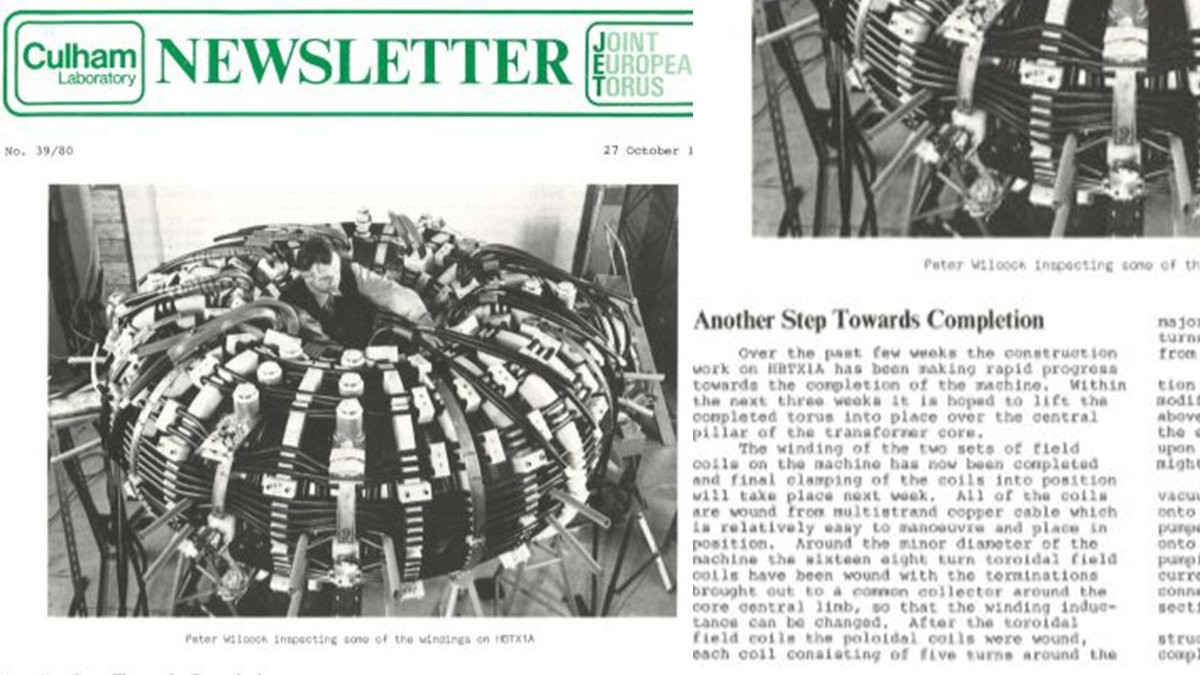
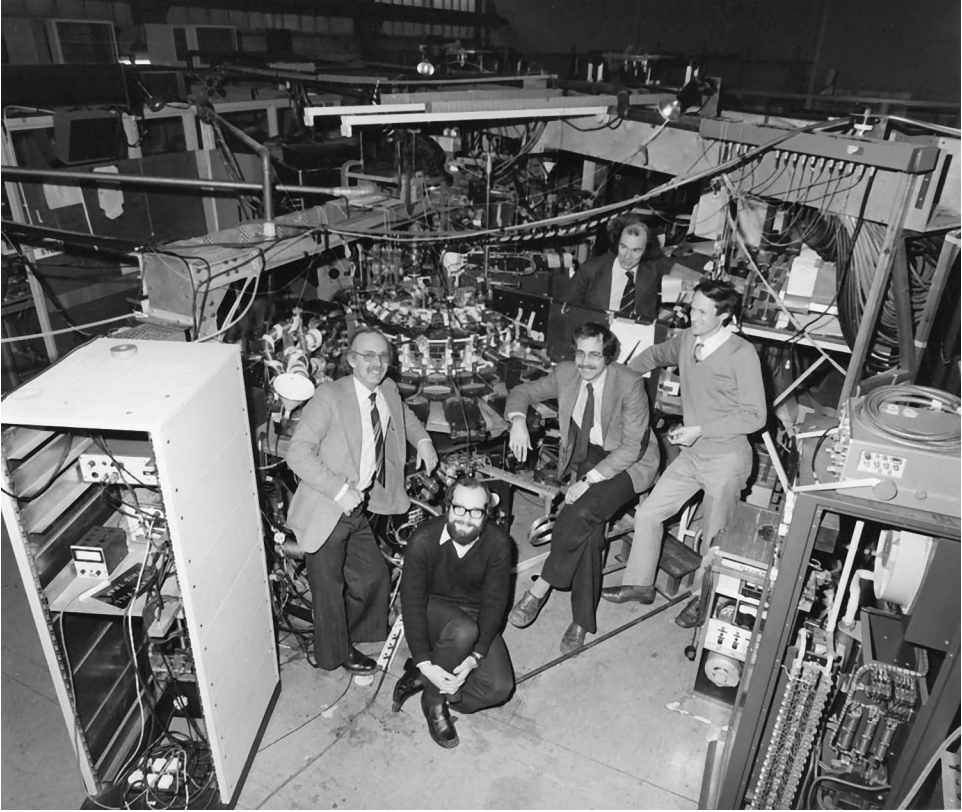
The High Beta Toroidal Experiment-1 (HBTX-1) was a reversed field pinch (RFP) plasma machine at Culham Centre for Fusion Energy in the 1970s. HBTX-1 was a successor to ZETA . However, The machine focused on the physics of reversed field pinch (RFP) plasmas and its advantages over tokamaks at lower toroidal magnetic fields. The experiment demonstrated higher beta values, temperatures and longer pulse durations than ZETA. Due to its successful results, the HBTX experiment continued to develop in the form of HBTX-1A, HBTX-1B, HBTX-1C.
1980 - 1990

The High Beta Toroidal Experiment-1A (HBTX-1A) was a reversed field pinch machine at Culham Centre for Fusion Energy in the 1980s. HBTX-1A was a evolution of HBTX-1 but with a thick, conducting shell. The machine was designed to study the effect of flux that penetrates the plasma-facing material in reversed field pinch plasma machines.
1980 - 1990
The High Beta Toroidal Experiment-1B (HBTX-1B) was a reversed field pinch (RFP) machine at Culham Centre for Fusion energy in the 1980s. HBTX-1B removed the limiters from HBTX-1A and as a result demonstrated improved plasma performance.
1987 - 1990

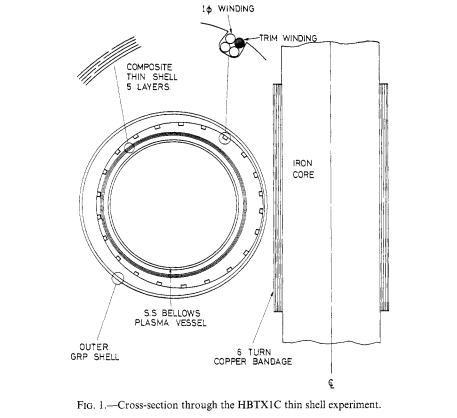
The High Beta Toroidal Experiment-1C (HBTX-1C) was a reversed field pinch machine at Culham Centre for Fusion energy in the 1980s. The primary aim of HBTX-1C was to investigate the stability of RFPs utilizing a thin resistive shell made of copper encapsulated in epoxy resin.
1983 - Present

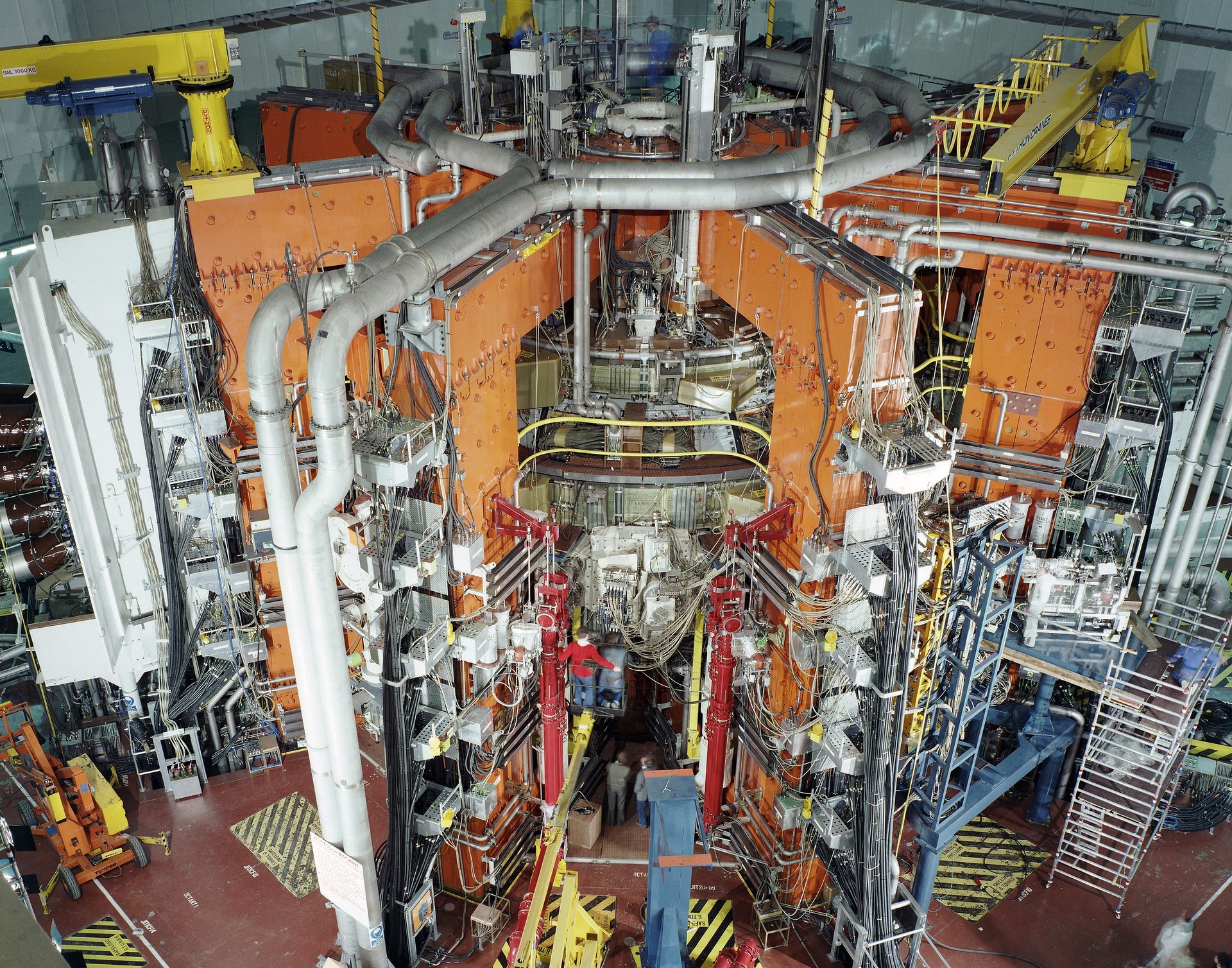
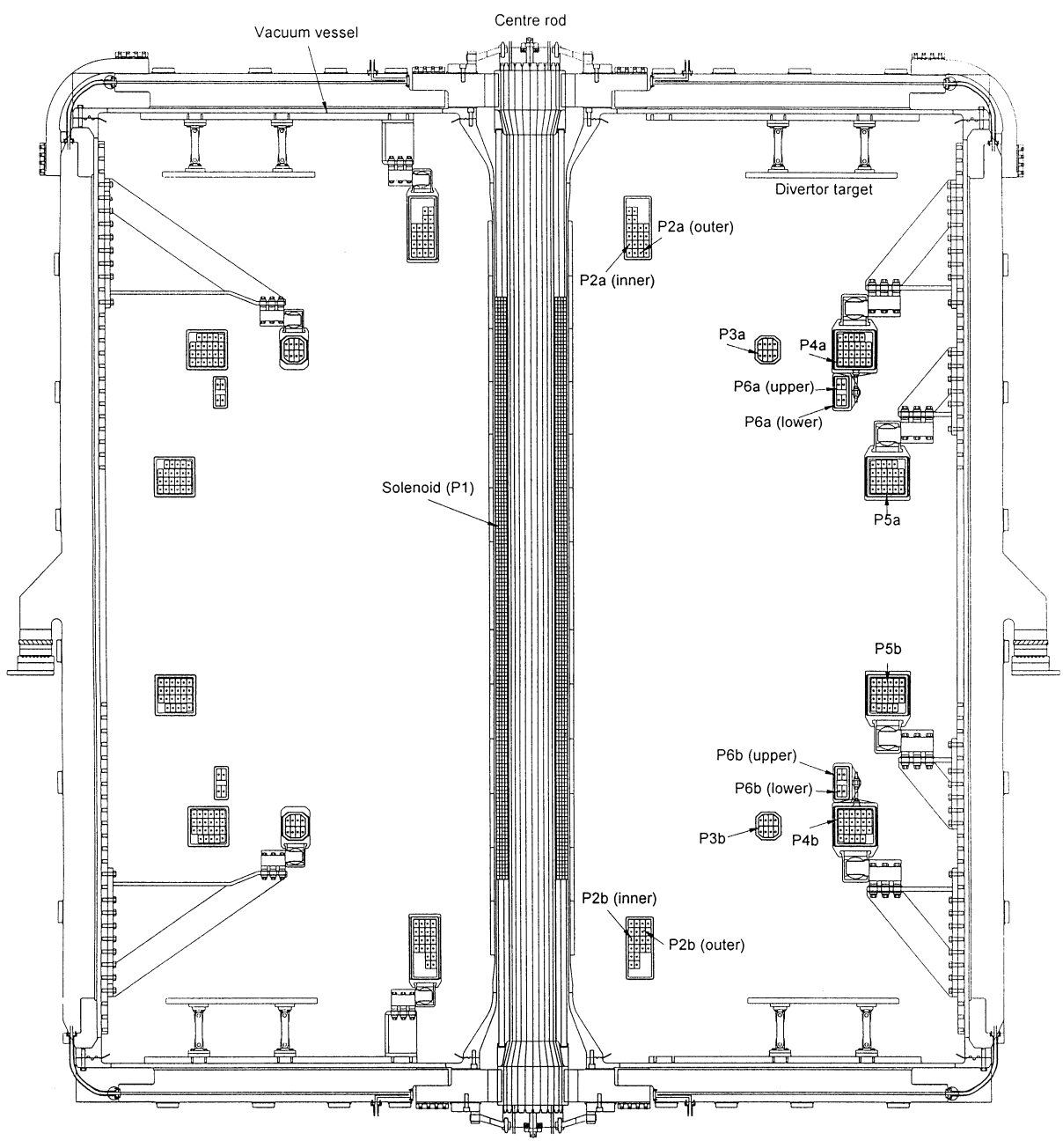
JET (Joint European Torus) is a large tokamak DT mixture operated at Culham Centre for Fusion Energy (CCFE) by the UK Atomic Energy Authority (UKAEA) and coordinated by the Eurofusion Consortium. In 1997, JET achieved 16 MW of of fusion power using deuterium-tritium fuel with efficiency (Q) of 0.67.
2000 - 2013

Mega-Amp Spherical Tokamak (MAST) is a spherical tokamak at Culham Centre for Fusion Energy (CCFE) funded by UKAEA and Euratom. MAST is the successor to the START experiment and is the predecessor of MAST-U. The aim of MAST was to improve the understanding of spherical tokamak devices.
1990 - 1998

The Small Tight Aspect Ratio Tokamak (START) was operated at Culham Centre for Fusion Energy from 1990 to 1998. It had the same design as the MAST tokamak but the outer aluminum vacuum vessel was larger. START was built to study plasma behavior at an aspect ratio (major radius/minor radius) below 2.0 and it was the first operational spherical tokamak. START investigated the plasma physics specific to low aspect ratio tokamaks.
2040 - Present

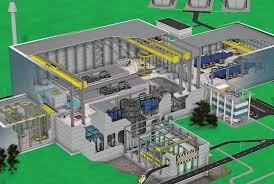
STEP (The Spherical Tokamak for Energy Production) is project to design a power plant at Culham Centre for Fusion Energy. STEP is built on the results from MAST-U and the design is based around a compact spherical tokamak. The latest projection is that this project will be completed around 2040.
1974 - 1986

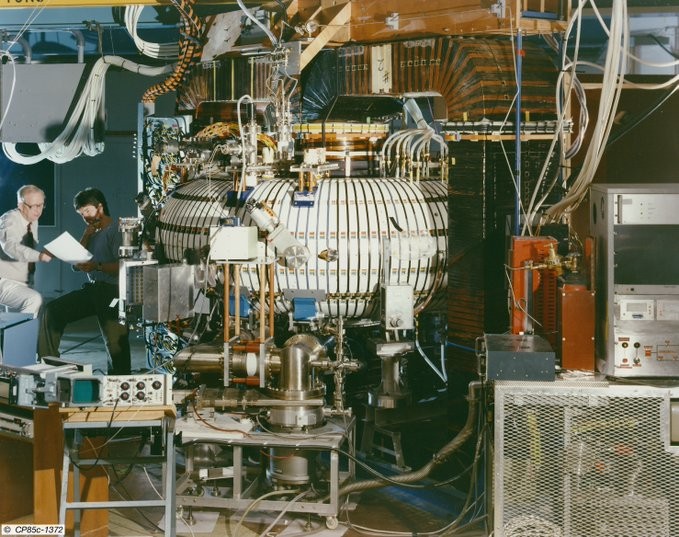
Tokamak Shaping and Current Assembly (TOSCA) was the smallest tokamak machine to utilize a thin stainless-steel bellows and no conducting shell. A key result of TOSCA was that the shaping of a tokamak plasma could have a positive effect on plasma beta. TOSCA was a training ground for many PhDs students in the fusion community. Currently, the TOSCA machine resides in the Science Museum at Kensington, London.
© 2019-2026 Triple Product Inc. Content available under CC BY-NC 4.0. Terms of Use