
Projects
Add and manage your project page
A
TAE Technologies
1998 - 2000
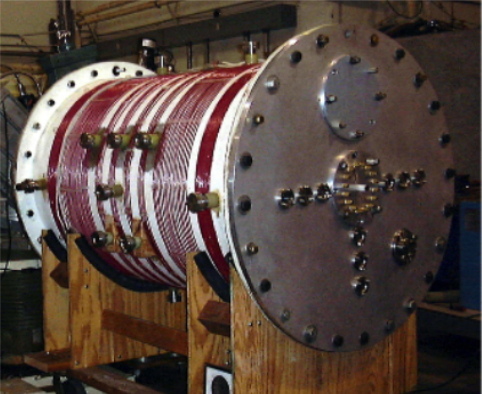
"A" was the first device made by TAE Technologies at the end of the 90's. It was built at the University of California, Irvine by TAE's founders and a group of students. The vacuum vessel was made out of a fiberglass sewer pipe. It was used for basic scientific and technological development of FRC devices.
B
TAE Technologies
2000 - 2004
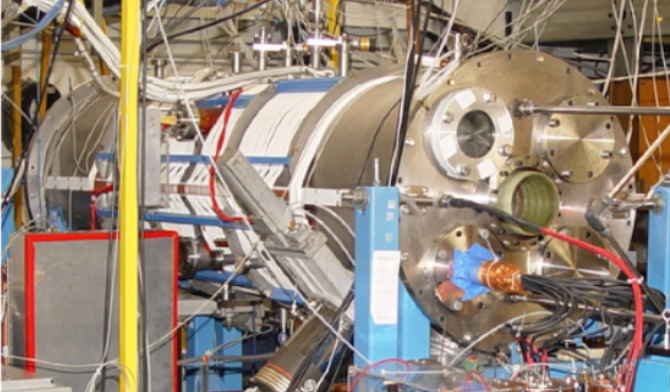
"B" was the second device made by TAE Technologies. Like A, it was used for the basic scientific and technological development of FRCs.
C-1
TAE Technologies
2004 - 2009
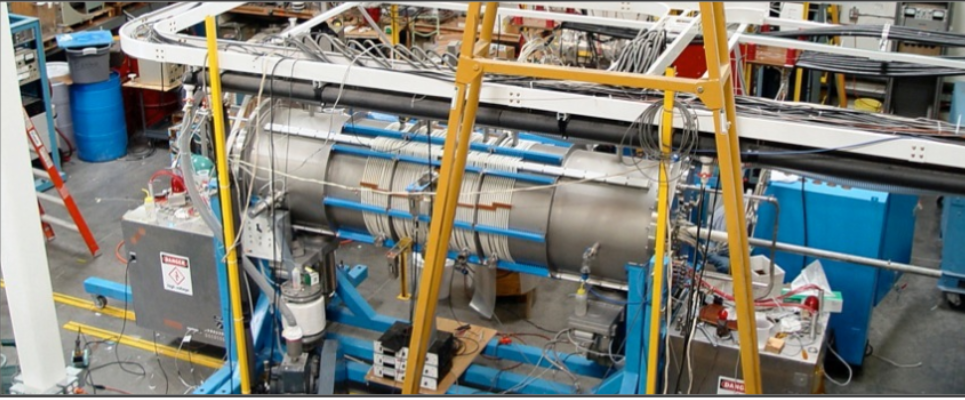
C-1 was a field reversed configuration device built by TAE Technologies around 2004. It was a more robust device than A or B but it was not a full scale device as was C-2. C-1 was used to test Pulsed-Inductive Thrusters, a concept developed for space propulsion. C-1 could confine a plasma for 1 ms.
C-2
TAE Technologies
2009 - 2013
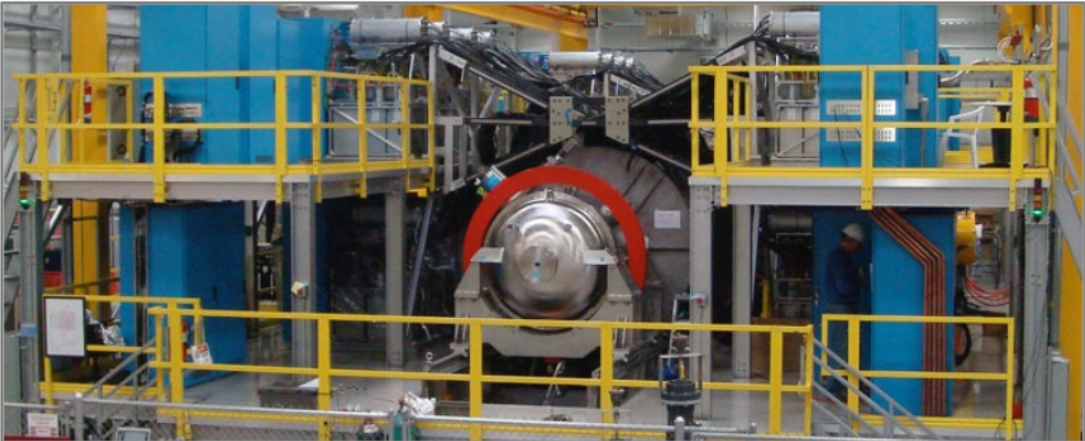
The C-2 was a field reversed configuration device developed by TAE technologies. It was the first full scale device made by the company. A key accomplished goal of C-2 was to demonstrate a High Performance FRC (HPF), eg. improved confinement and stability compared to previous FRC efforts. Additionally the demonstration of heating and stability from Neutral Beam Injection was an important achievement of this device. In 2013, C-2 was upgraded to C-2U.
C-2U
TAE Technologies
2013 - 2015
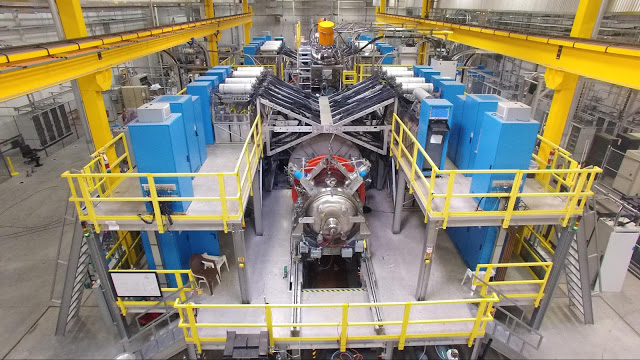
C-2U was an upgrade of the C-2 experiment. The neutral beam input power was upgraded from ~4MW (20keV Hydrogen) to 10+MW (15keV Hydrogen) and the injection angle was tilted to improve neutral beam to FRC coupling and reduce shine-through losses. Additionally, the edge-biasing capability inside each end-diverter was improved. The key accomplishment of C-2U was FRC stability limited only by hardware and stored energy (eg. neutral beam pulse duration and current sourcing capability of end guns). C-2U was shut down in 2015 to be upgraded again into C-2W
C-2W
TAE Technologies
2016 - 2019
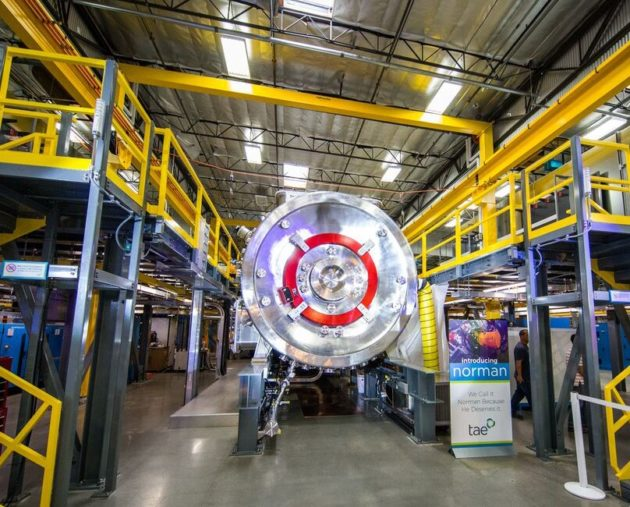
C-2W is an upgrade of the C-2U experiment. The neutral beam power was upgraded to up to ~21 MW and adjustable energies (15-40keV). Pulse duration was extended to up to 30ms. Inner diverters with upgraded edge-biasing electrode systems allowing for longer (30ms+) were installed. A number of other enhancements were added as well.
In 2017, C-2W was renamed as "Norman" to honor late TAE Technologies co-founder, Norman Rostoker.
Colorado FRC Experiment
Center for Integrated Plasma Studies
2006 - 2008
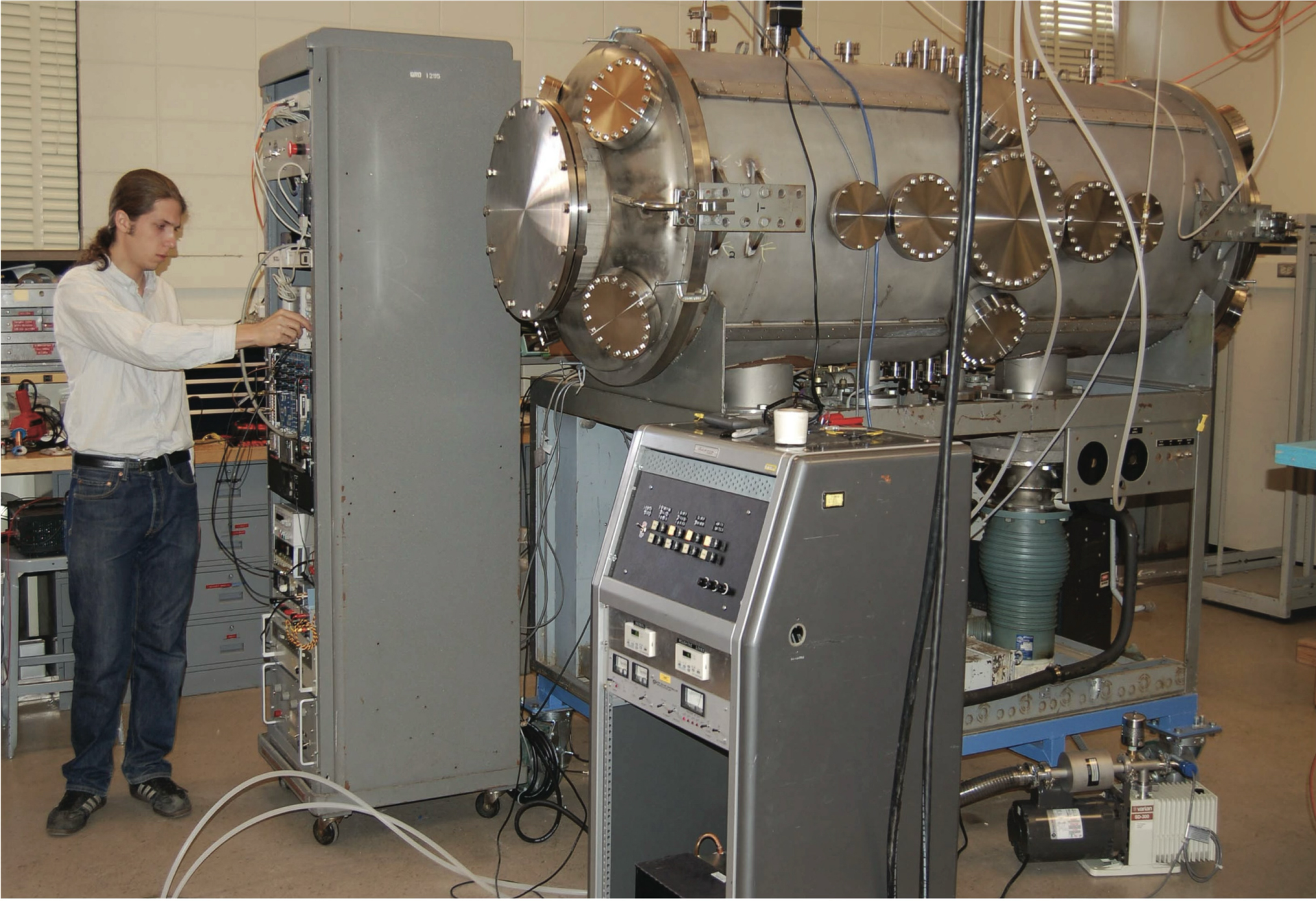
The Colorado FRC Experiment was designed to study tilt-mode instabilities in FRCs. It was repurposed for other applications in 2008.
EFRC-0
ENN Energy Research Institute
FEP
Helion Energy
2018 - Present
FLARE
Princeton Plasma Physics Laboratory
2018 - Present
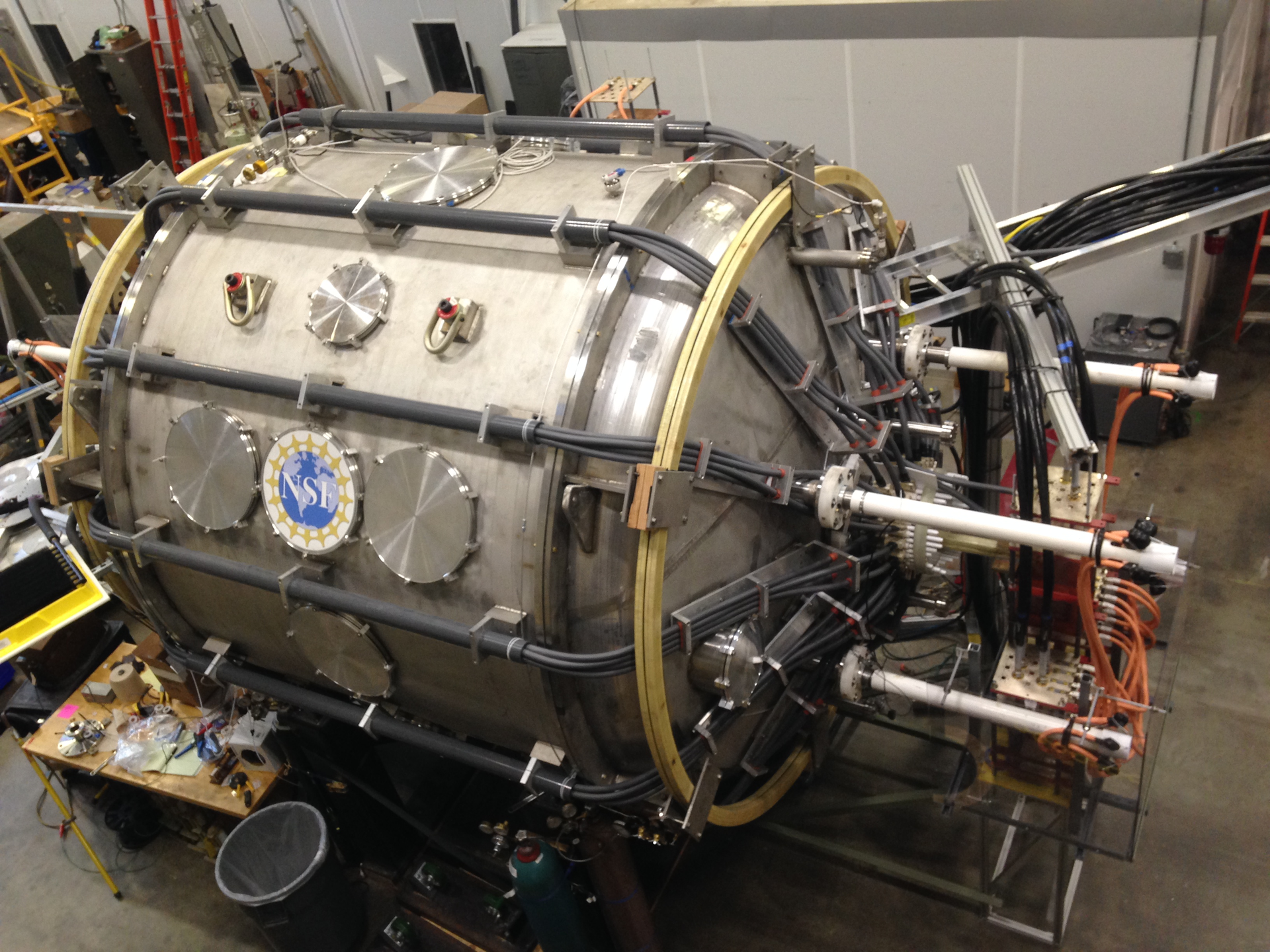
The Facility for Laboratory Reconnection Experiments (FLARE) is a joint project of five universities and two DoE national laboratories: Princeton University, University of California - Berkeley, University of California - Los Angeles, University of Maryland, University of Wisconsin - Madison, PPPL and LANL. It started operations in 2018 at Princeton University and since 2019 it is located at PPPL. FLARE's design is based in MRX but at a larger scale. As MRX, its main objective is to study the magnetic reconnection process for astrophysical and fusion research. FLARE has a 3m diameter and is 3.6m long and can produce magnetic fields up to 0.5T.
FRX-L
Los Alamos National Laboratory
HFRC
Huazhong University of Science and Technology
Theta pinch FRC formation, merge and compression
HHMAX-901
HHMAX-Energy
2025 - Present
HHMAX-901 is a Field Reversed Configuration (FRC) device
IPA
Helion Energy
2005 - 2012
KMAX
University of Science and Technology China
2014 - Present
FRC by RMF in Tandem Mirror
LSX
University of Washington
1992 - Present
MRX
Princeton Plasma Physics Laboratory
1995 - Present
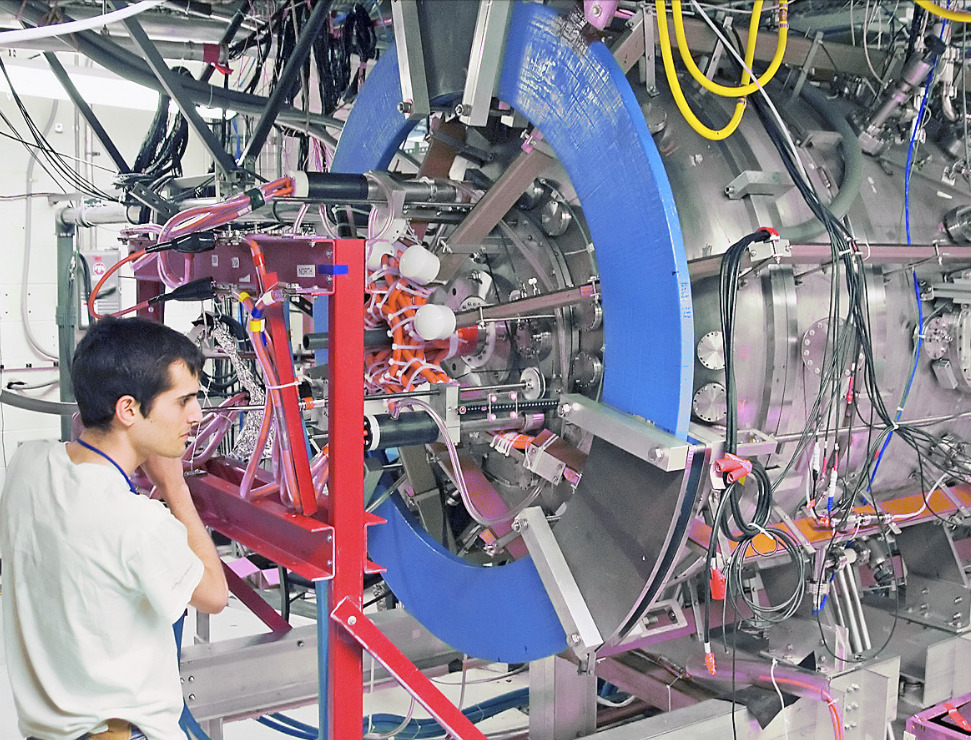
The Magnetic Reconnection Experiment (MRX) was a FRC device designed and built at PPPL in 1995. The motivation to design and build this device was to study the physics of local and global magnetic reconnection within a MHD plasma. For the construction of this device, some components of previous devices, including the stabilization coils of S-1, were recycled. MRX produced magnetic fields up to 0.1 T and plasma currents of up to 100kA
Understanding magnetic reconnection is important for both fusion physics and astrophysics communities. Due to its importance in its study, the MRX receives funding from various agencies, including DOE and NASA. MRX inspired the design of FLARE, a bigger device made to continue reconnection studies.
PFRC-1
Princeton Fusion Systems
2008 - Present
Demonstrate electron heating
PFRC-2
Princeton Fusion Systems
2011 - Present
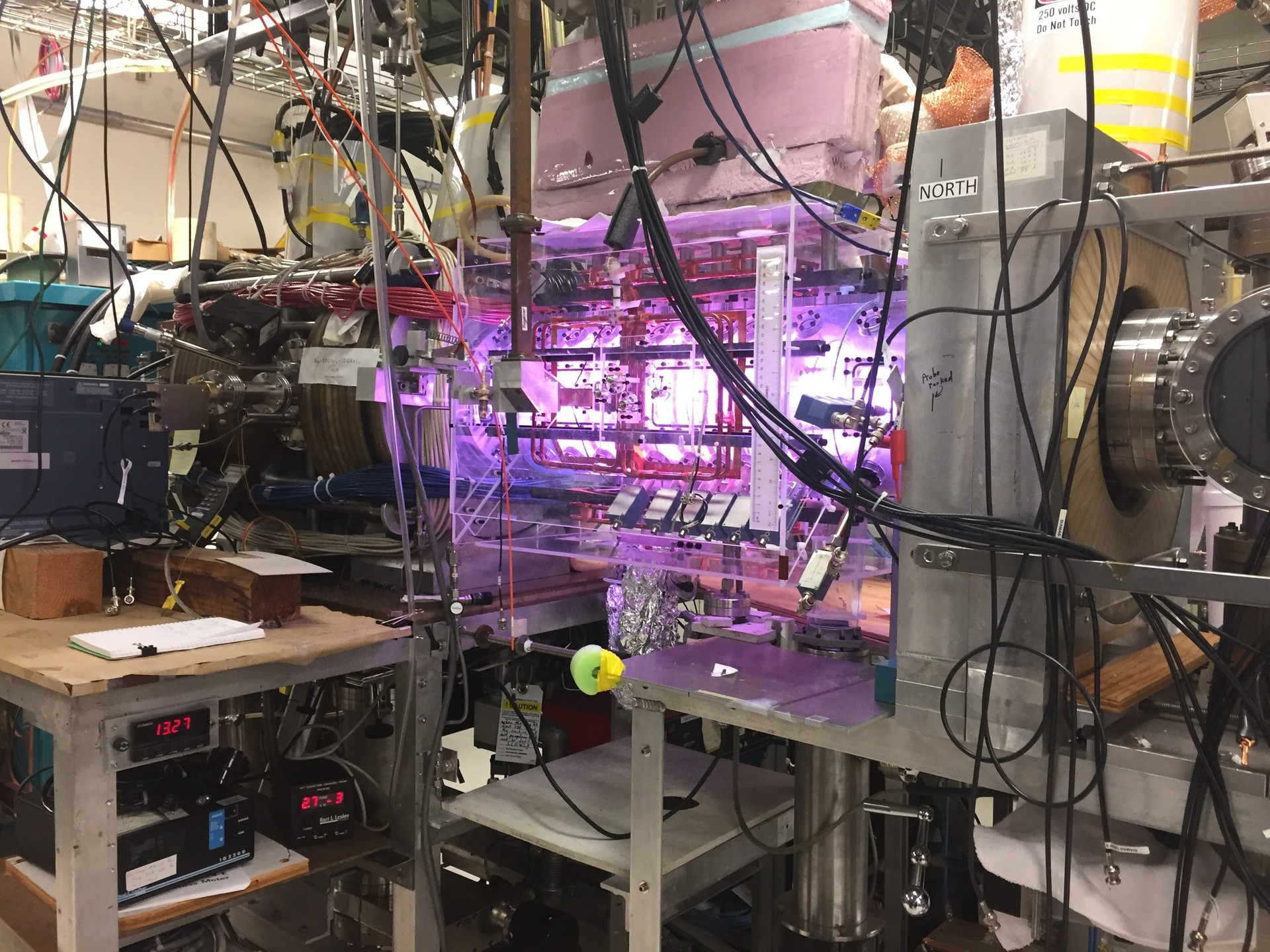
Demonstrate ion heating
PFRC-3
Princeton Fusion Systems
2020 - Present
Demonstrate heating above 5 keV

