
Projects
Add and manage your project page
CDX-U
Princeton Plasma Physics Laboratory
1992 - 2005
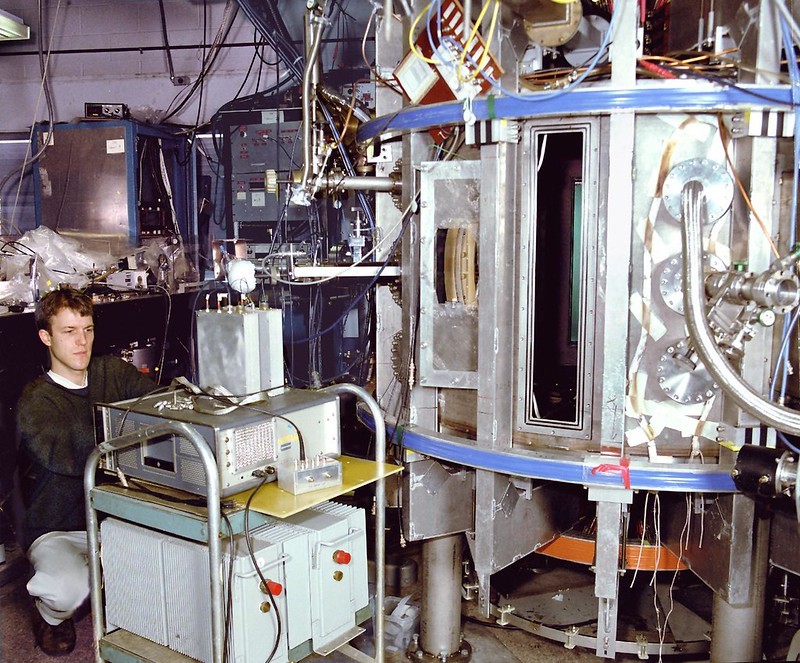
The Current Drive Experiment-Upgrade (CDX-U) was an upgraded version of CDX located at PPPL. CDX-U was the first spherical tokamak in the United States and was originally made to continue the research from CDX but in a spherical tokamak configuration. In 2000, CDX-U began operations with a liquid lithium limiter in contact with the plasma. This addition made a major improvement in the energy confinement time since the lithium absorbs impurities which drive energy losses. These results led to the transformation of the device into LTX in 2005.
EST50
ENN Energy Research Institute
2019 - Present
ETE
National Institute for Space Research
Globus-M2
Ioffe Institute
LTX
Princeton Plasma Physics Laboratory
2008 - 2016
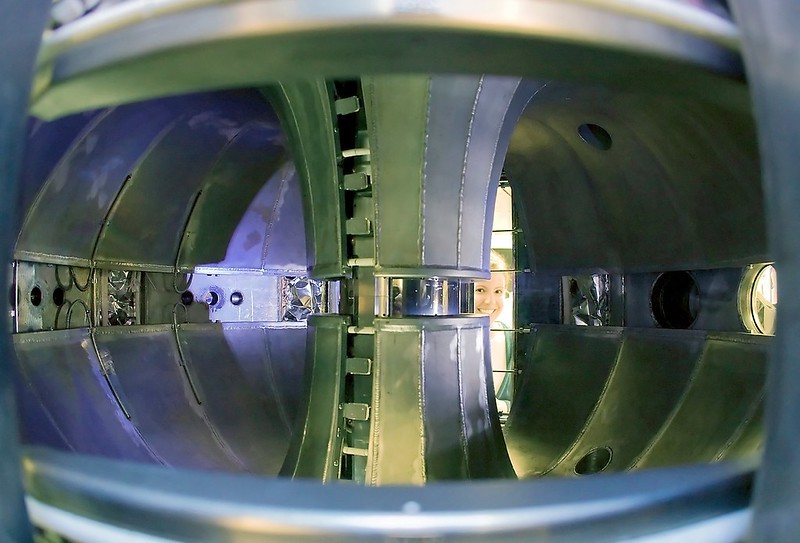
The Lithium Tokamak Experiment (LTX) was a tokamak located at PPPL that was constructed as an upgrade of CDX-U. It was the first device to have a full liquid lithium wall and was used to study lithium as a plasma facing material. LTX had a toroidal field of 0.17 T and reached a plasma current around the 100 kA. It had a major radius of 40 cm and an aspect ratio of 1.6. In 2016, LTX ended operations to be upgraded to LTX-β.
LTX-β
Princeton Plasma Physics Laboratory
2018 - Present
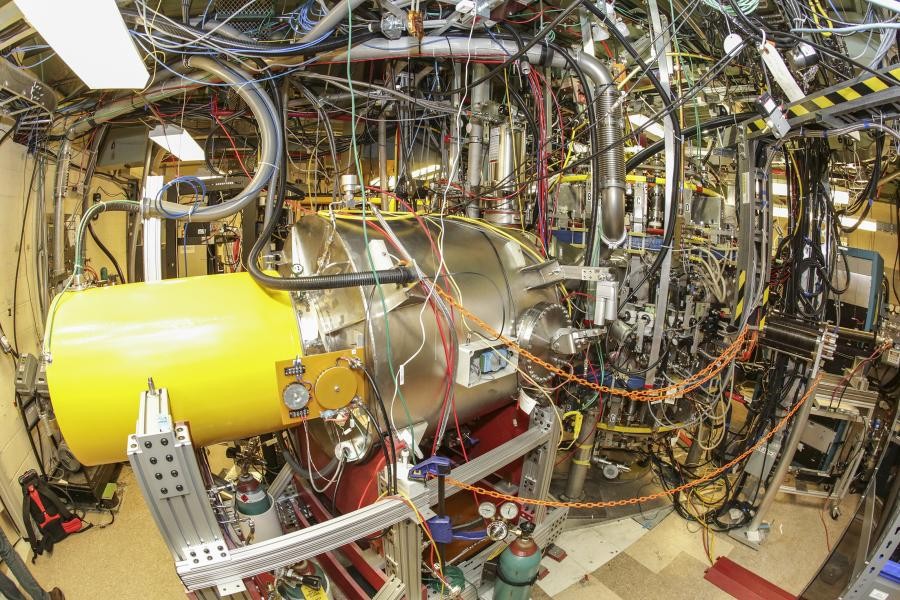
The Lithium Tokamak Experiment β (LTX-β) is a spherical tokamak based at PPPL. LTX-β is the upgraded version of LTX. Although LTX-β maintains LTX's geometry, the toroidal field, the plasma current and the heating were improved. Among the upgrades, two neutral beam injection systems were installed, both provided by TAE Technologies. The main objective of LTX-β is to test the confinement of hotter plasmas than those achieved in previous devices.
MAST
Culham Centre for Fusion Energy
2000 - 2013
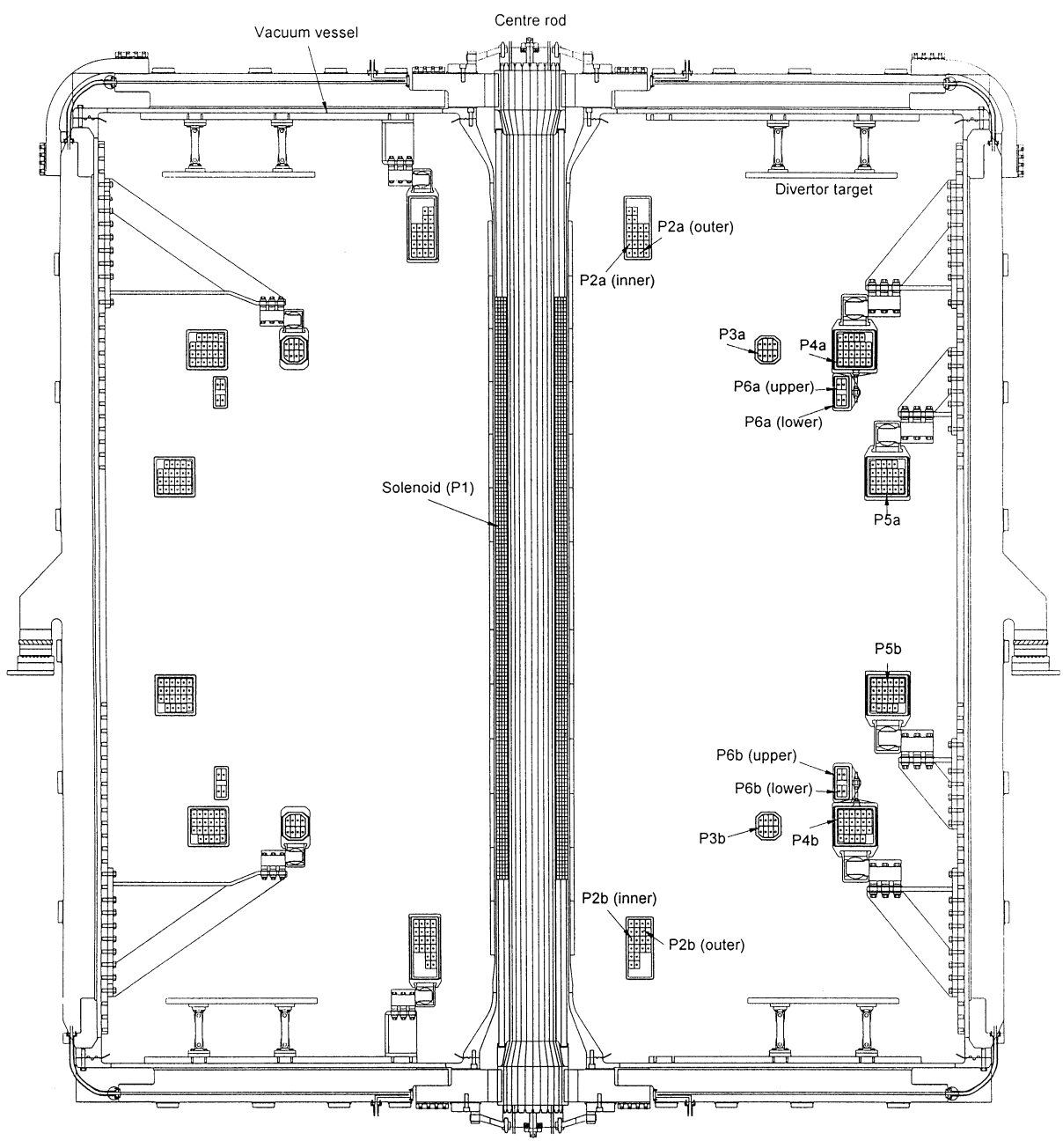
Mega-Amp Spherical Tokamak (MAST) is a spherical tokamak at Culham Centre for Fusion Energy (CCFE) funded by UKAEA and Euratom. MAST is the successor to the START experiment and is the predecessor of MAST-U. The aim of MAST was to improve the understanding of spherical tokamak devices.
MAST-U
Culham Centre for Fusion Energy
MEDUSA-CR
Costa Rica Institute of Technology
MEPhIST
National Research Nuclear University MEPhI
2021 - Present
NSTX
Princeton Plasma Physics Laboratory
1999 - 2012
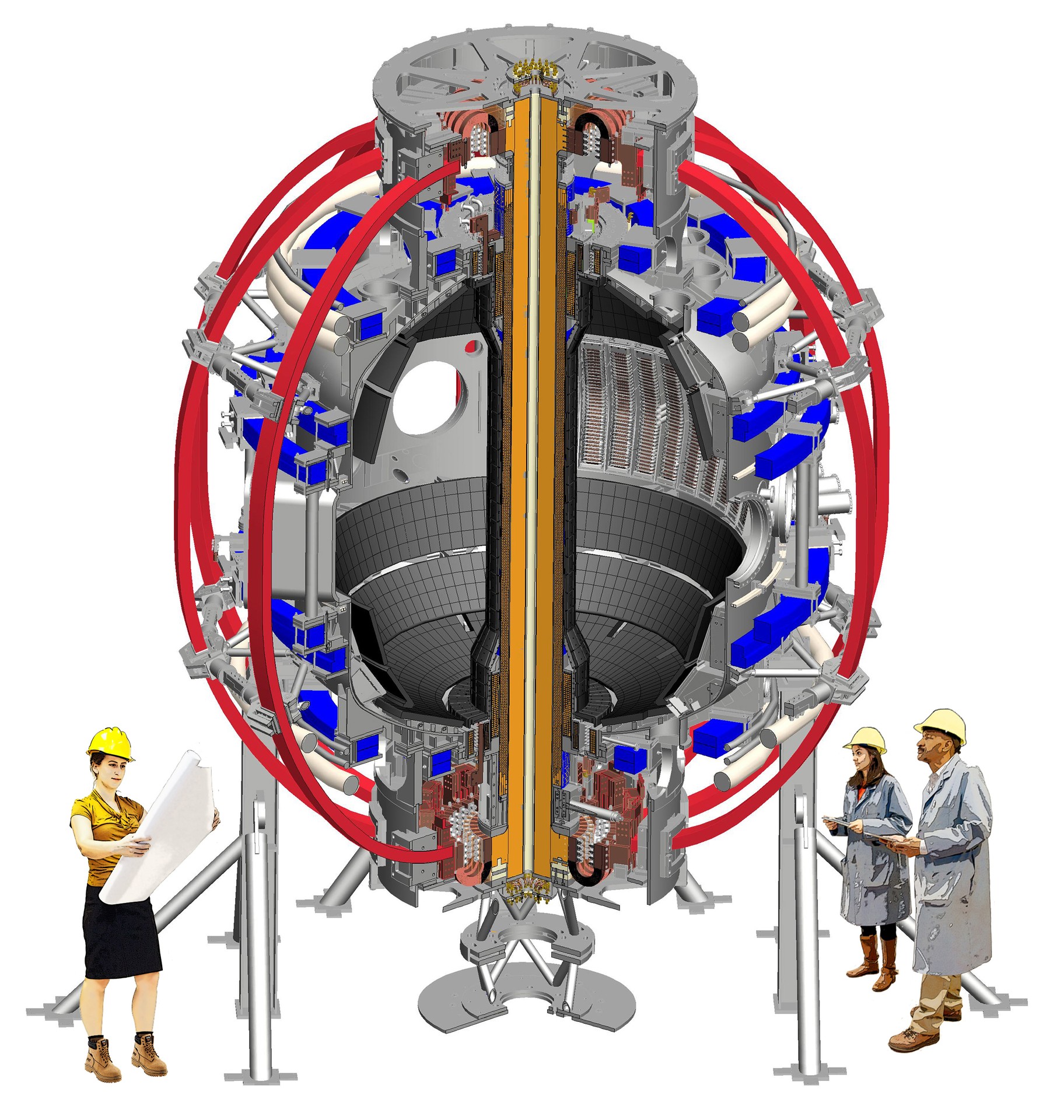
The National Spherical Torus Experiment (NSTX) was a spherical tokamak built at PPPL. It began operations in February of 1999. The NSTX device was built with the objective of studying the behavior of the spherical tokamak configuration in the mega ampere regime. It was designed to work with a confinement magnetic field of 0.55 T and to reach a central temperature between 1 to 3 keV. In 2012, NSTX ended operations to undergo a mayor upgrade. Once this upgrade was finished, the device became NSTX-U.
NSTX-U
Princeton Plasma Physics Laboratory
2016 - Present
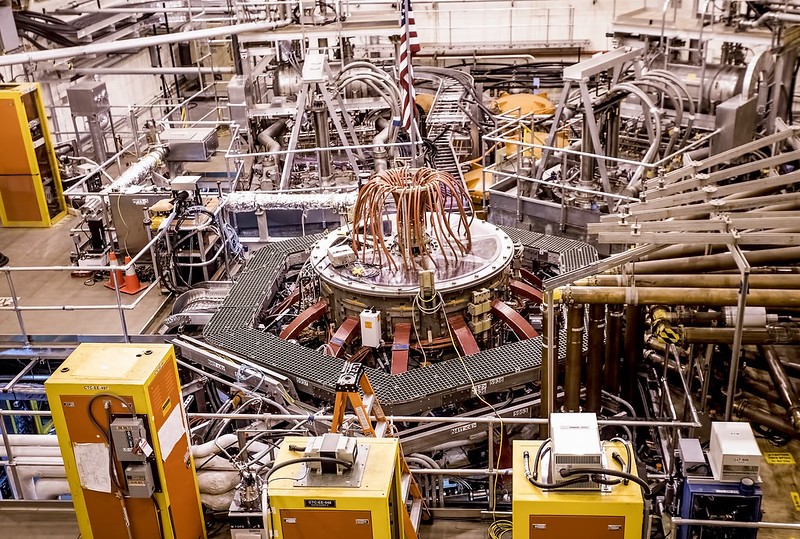
The National Spherical Torus Experiment Upgrade (NSTX-U) is the name which NSTX, located at PPPL, is known after a major upgrade that began in 2012. The main upgrades made were a larger centerstack to improve the magnetic confinement, an additional neutral beam injector to improve heating and structural enhancements to adapt the coils and vacuum vessel to the new working conditions. NSTX-U was operational for 10 weeks in 2016 but a failure in one poloidal coil forced the device to shut down and undergo a major repair process. It is expected that NSTX-U will resume operations in 2021.
Pegasus-III
University of Wisconsin Madison
2023 - Present
PI3
General Fusion
2017 - Present
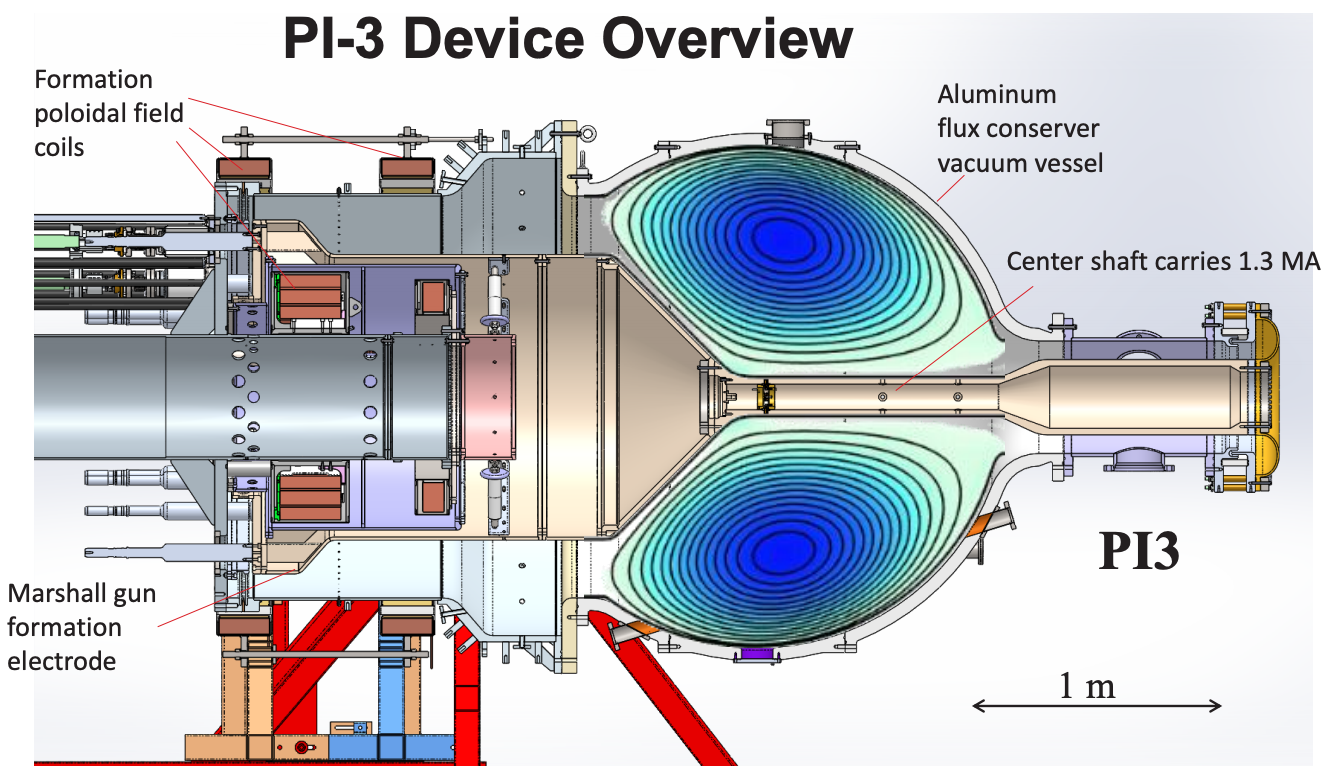
General Fusion's PI-3 is designed to study the plasma physics of a MTF (Magnetized Target Fusion) reactor scale plasma injector. The experiment consists of a large, single-stage Marshall gun which injects a plasma into a region which includes a current carrying center shaft. This results in the creation of a spherical tokamak rather than a spheromak which was studied in PI-2 and PI-1. The reason for moving to the spherical tokamak design is improved thermal confinement and therefore longer energy confinement time.
SMART
University of Sevilla
ST25
Tokamak Energy
2007 - Present
ST25 (Spherical Tokamak with a major radius 25cm) is a small tokamak device at Tokamak Energy. ST25 was built using conventional copper coils to demonstrate basic properties of a spherical tokamak. It was built as a precursor to ST40 device ST40. There is a subsequent ST25 device, ST25 HTS which uses superconducting coils.
ST25 HTS
Tokamak Energy
2012 - Present
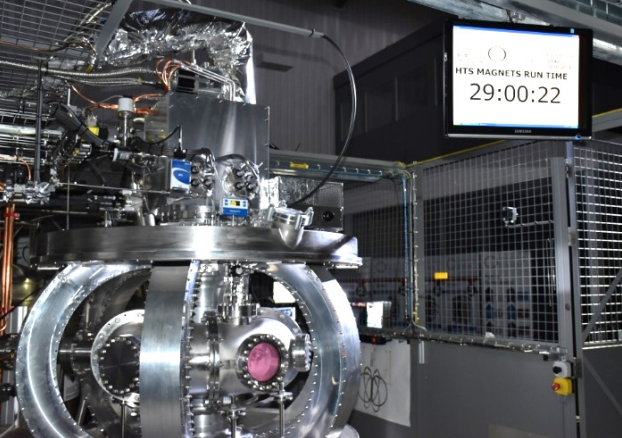
ST25 HTS is a follow on device to ST25. It uses REBCO high-temperature superconductor coils in both the toroidal and poloidal field coils. ST25 HTS is the first tokamak to use these superconductors for both sets of coils. In 2015, ST25 HTS ran its magnets and sustained a plasma continuously for 29 hours.
ST40
Tokamak Energy
2017 - Present
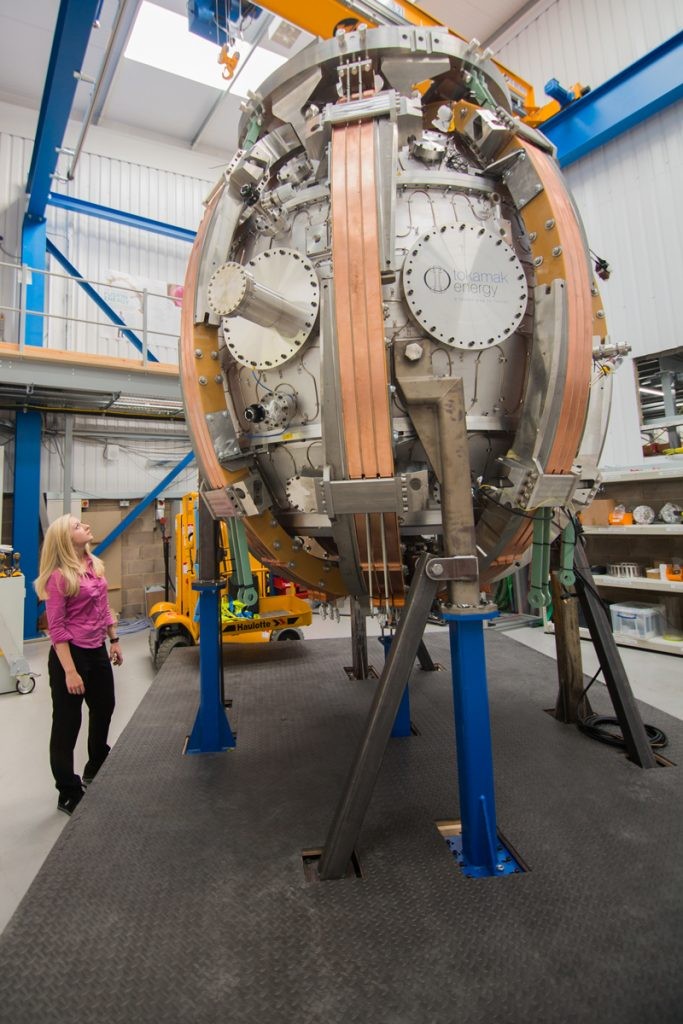
ST40 is a high field spherical tokamak with a major radius of 40cm at Tokamak Energy. The device utilizes a 4m tall stainless steel vessel with copper toroidal field coils which produce magnetic fields up to 3T. ST40 uses a novel merging-compression method for plasma start-up.
START
Culham Centre for Fusion Energy
1990 - 1998
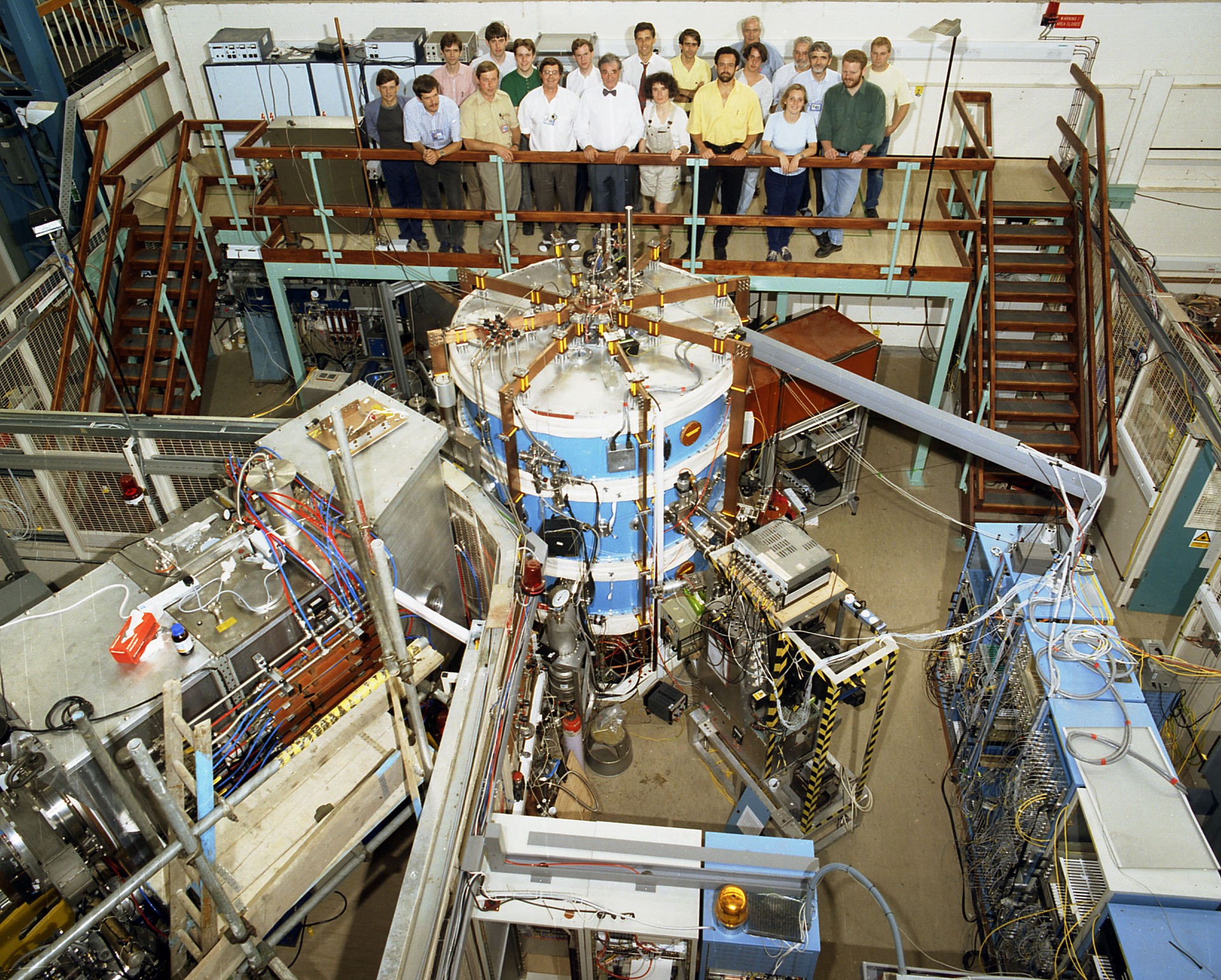
The Small Tight Aspect Ratio Tokamak (START) was operated at Culham Centre for Fusion Energy from 1990 to 1998. It had the same design as the MAST tokamak but the outer aluminum vacuum vessel was larger. START was built to study plasma behavior at an aspect ratio (major radius/minor radius) below 2.0 and it was the first operational spherical tokamak. START investigated the plasma physics specific to low aspect ratio tokamaks.
STEP
UK Industrial Fusion Solutions + 1
2040 - Present
STEP (The Spherical Tokamak for Energy Production) is project to design a power plant at Culham Centre for Fusion Energy. STEP is built on the results from MAST-U and the design is based around a compact spherical tokamak. The latest projection is that this project will be completed around 2040.

