Projects
Add and manage your project page
ACT-1
Princeton Plasma Physics Laboratory
1979 - 1985
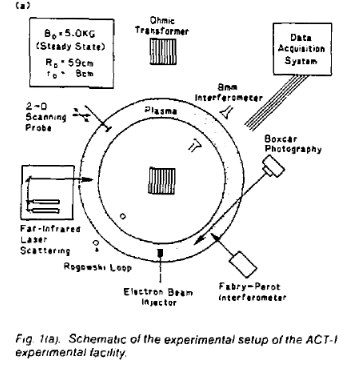
The Advanced Concept Torus (ACT-1) was a steady state toroidal device which was operated at PPPL. Its vacuum chamber was made of aluminum with a water cooling system and 26 toroidal field coils capable of produce a 0.56 T magnetic field on the axis. ACT-1 had a toroidal plasma with a minor radius of 10 cm and a major radius of 59 cm. It was used for the study of radiofrequency heating, specifically in lower hybrid waves and ion cyclotron waves. In 1985, ACT-1 was converted into the Current Drive Experiment (CDX)
Alcator A
Massachusetts Institute of Technology
1972 - 1980
Alcator C
Massachusetts Institute of Technology
1979 - 1987
ARC
Commonwealth Fusion Systems
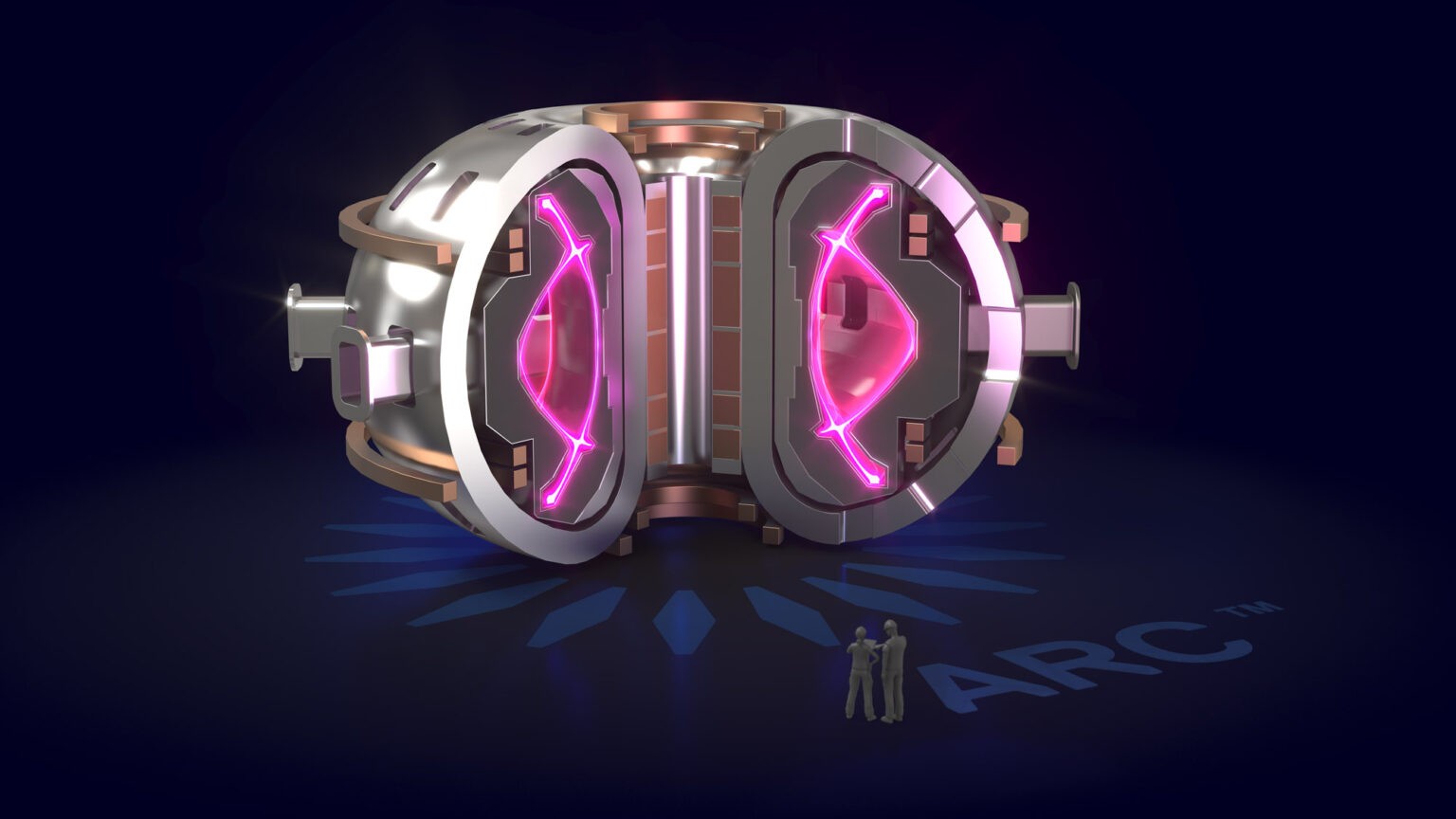
The ARC tokamak concept was created by the team at MIT that founded Commonwealth Fusion Systems (CFS). For operation, the ARC tokamak will make use of high temperature superconducting magnets.
The goal of the ARC fusion device is to serve as a commercial, compact power plant for the electrical grid. CFS currently aims to have the first ARC power plant up and running by the early 2030s. The first ARC location has been announced for Chesterfield County, Virginia.
ASDEX
Max Planck Institute for Plasma Physics
1980 - 1990
The ASDEX tokamak began operation in 1980 and H-mode was discovered in ASDEX in 1982. In 1991 it was transferred to SWIP (Southwestern Institute of Physics) in Chengdu, China and it was used to build HL-2A.
ASDEX-U
Max Planck Institute for Plasma Physics
1991 - Present
BEST
Neo Fusion + 1
2023 - Present
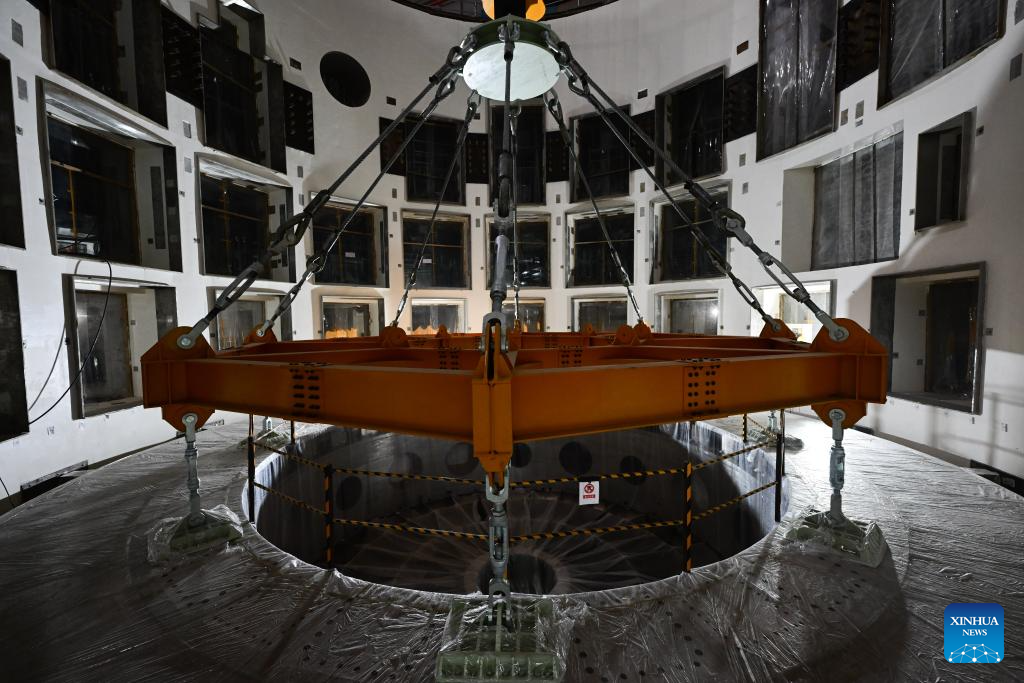
China Fusion Energy has entered the final stage of assembling its Burning Plasma Experimental Superconducting Tokamak (BEST) at the Institute of Energy in the Hefei Comprehensive National Science Centre. BEST began construction in 2023 and is expected to be completed in 2027.
BEST is an intermediate phase between China’s Experimental Advanced Superconducting Tokamak (EAST) and the future Chinese Fusion Engineering Demo Reactor (CFEDR).
CDX
Princeton Plasma Physics Laboratory
1986 - 1989
The Current Drive Experiment (CDX) was a device located at PPPL. It was an upgrade of ACT-1 made to explore current drive and current profile control methods. CDX was the first tokamak to use the DC helicity injection concept (a method to continuously inject electrons to maintain the plasma current) to initiate and maintain the plasma discharge. In 1989 CDX was upgraded into CDX-U to explore the helicity injection in a small aspect ratio device.
CFEDR
Hefei Institutes of Physical Science
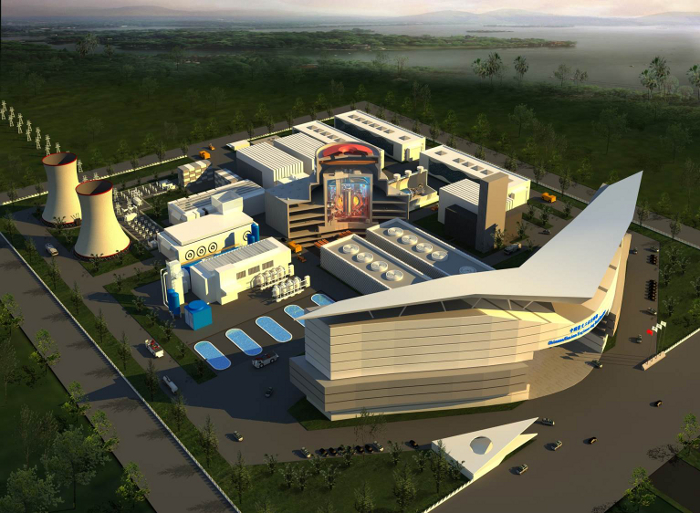
The China Fusion Engineering Demo Reactor (CFEDR) is a planned tokamak facility designed to bridge the gap between experimental fusion research and commercial power plants. It is an evolution of the CFETR concept; this device aims to generate 1.5 to 3 gigawatts of fusion power while demonstrating the ability to breed its own tritium fuel for sustained operations.
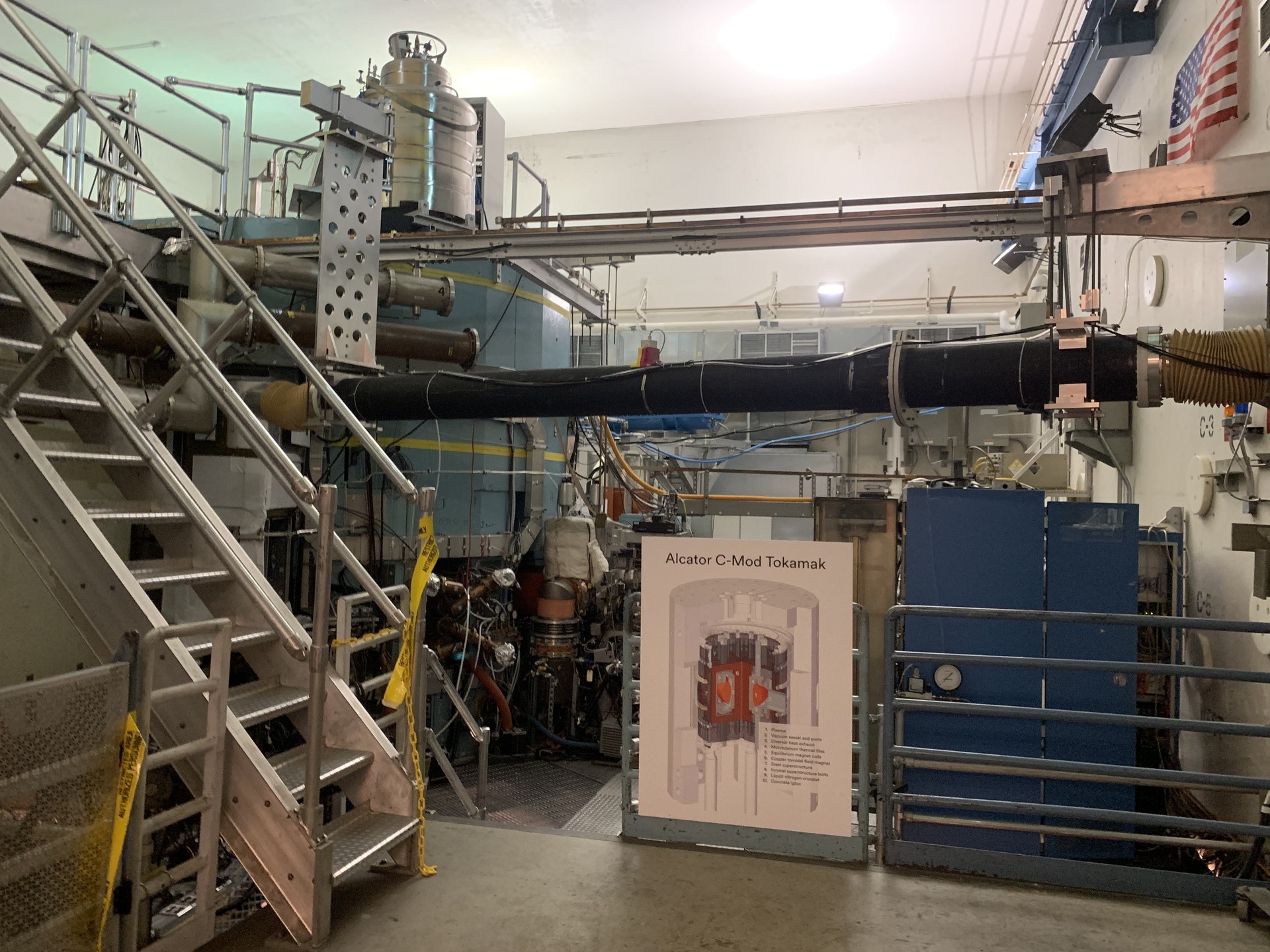
C-Mod
Massachusetts Institute of Technology
1991 - 2016
COMPASS
Institute of Plasma Physics of the Czech Academy of Sciences
2008 - 2021
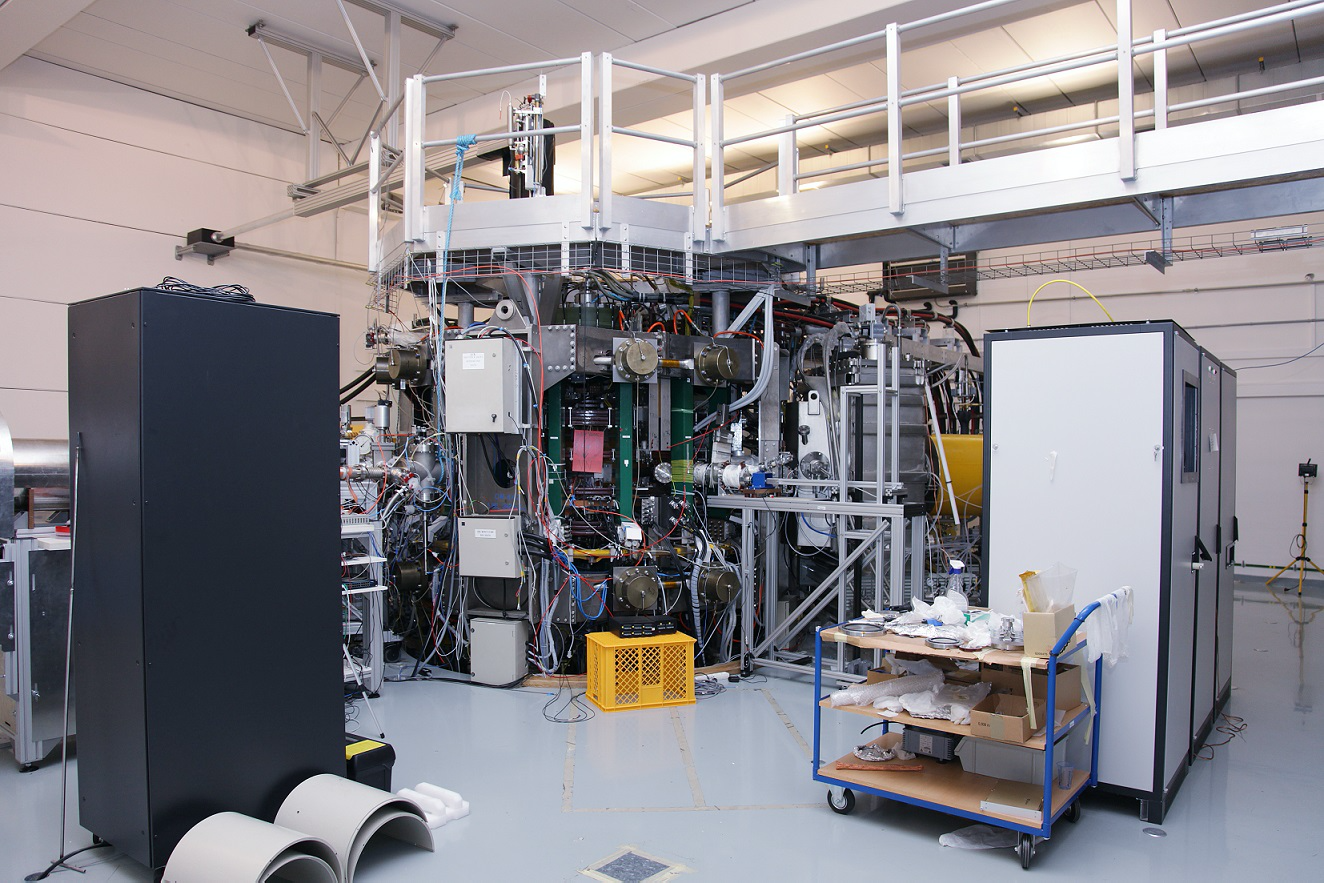
The COMPASS Tokamak played a key role in the physics activities of the TOKAMAK department of IPP since its commissioning in 2011. Originally, it was designed and operated in the 1990's in the UKAEA Culham laboratory in Great Britain. The transport, installation and commissioning of the COMPASS tokamak in 2006 - 2011 enhanced the physics and technical capabilities of the department to a new level, which was also capitalised in the increase of team competencies and acquired physics knowledge in the following years. With regard to the preparations for the installation of the new COMPASS Upgrade tokamak, the COMPASS operation ended in 2021.
COMPASS-C
Culham Centre for Fusion Energy
1989 - 1992
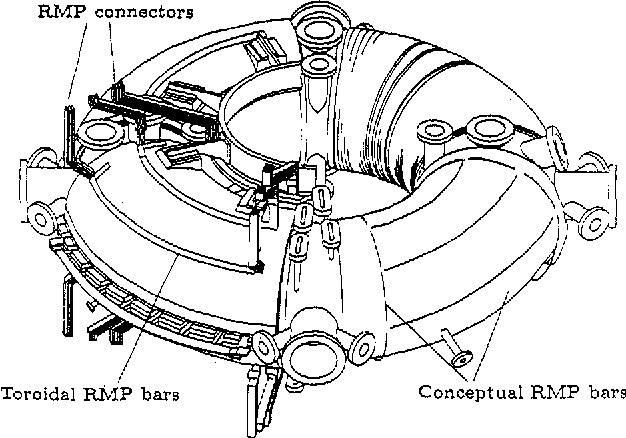
COMPASS-C stands for COMPact ASSembly-circular. It was operated at Culham Centre for Fusion Energy from 1989 to 1992. COMPASS was a low-magnetic field, shaped-plasma cross section tokamak. The aim of COMPASS-C was to explore MHD physics in circular-shaped plasmas. COMPASS-C was replaced by COMPASS-D in order to study high beta tokamak design.
COMPASS-D
Culham Centre for Fusion Energy
1992 - 2000
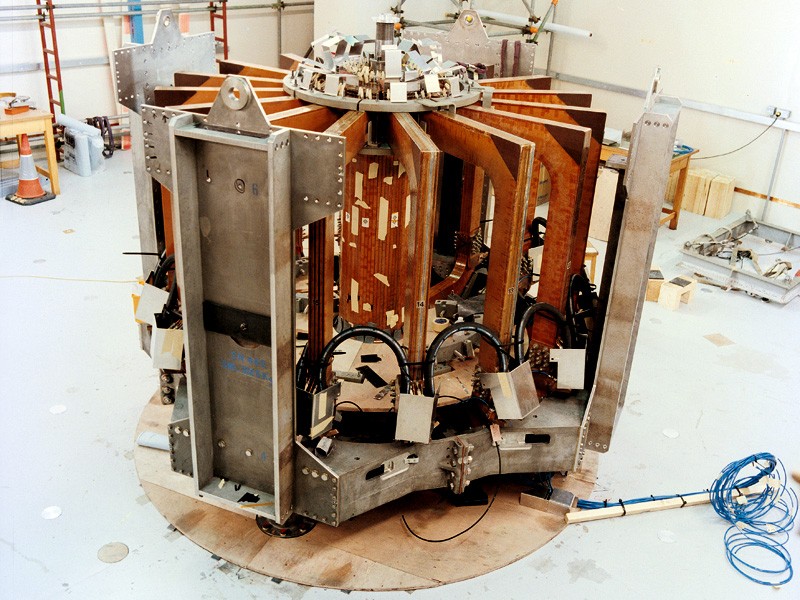
COMPASS-D, short for COMPact ASSembly D shaped vessel, operated at Culham Centre for Fusion Energy from 1992 to 2000. COMPASS was a flexible tokamak machine that focused on the plasma physics, in particular, MHD studies of D shaped tokamaks. Experimental results from COMPASS contributed to the design of ITER. In 2007, the COMPASS-D was transferred to Prague’s institute of plasma physics Institute of Plasma Physics of the Czech Academy of Sciences
COMPASS Upgrade
Institute of Plasma Physics of the Czech Academy of Sciences
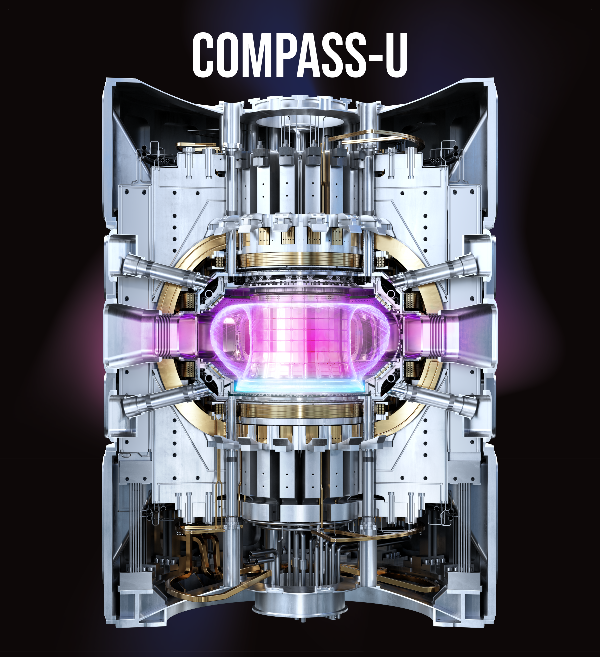
COMPASS Upgrade (COMPASS-U) is a new medium-sized (R = 0.9 m) tokamak under construction at the Institute of Plasma Physics in Prague. Designed to address some of the key challenges in next step fusion devices, COMPASS-U features a unique combination of hot metallic first wall operating up to 500 °C and cryogenically cooled copper coils. The latter provides a high magnetic field (Bt = 5 T) and high plasma current (Ip = 2 MA), yielding, e.g. a very narrow power flux decay length (<1 mm). This configuration makes the device an ideal testbed for studying power exhaust, advanced confinement regimes, liquid metal concepts, and other reactor-relevant topics.
https://www.ipp.cas.cz/Compass_U/
CUTE
Columbia Fusion Research Center
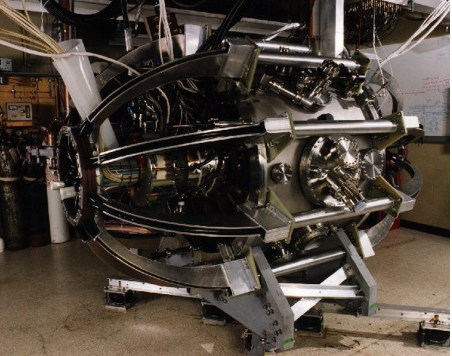
The Columbia University Tokamak for Education (CUTE) is a flexible low-aspect ratio tokamak. Previously HIT-II at the University of Washington, it is now being refurbished for use in education focused tokamak research
DEMO
EUROfusion
DIII-D
General Atomics + 1
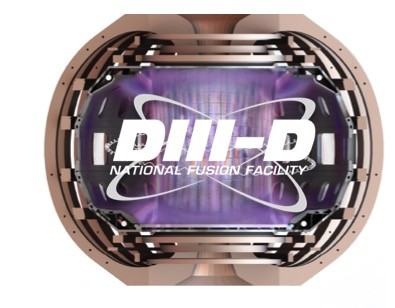
DIII-D is a DOE owned Office of Science national user facility, operated by General Atomics. Its goal is to close out critical plasma research gaps on the path to fusion energy and enable fusion commercialization agenda by partnering with private industry, academia and national laboratories,
DITE
Culham Centre for Fusion Energy
DTT
Eni + 10
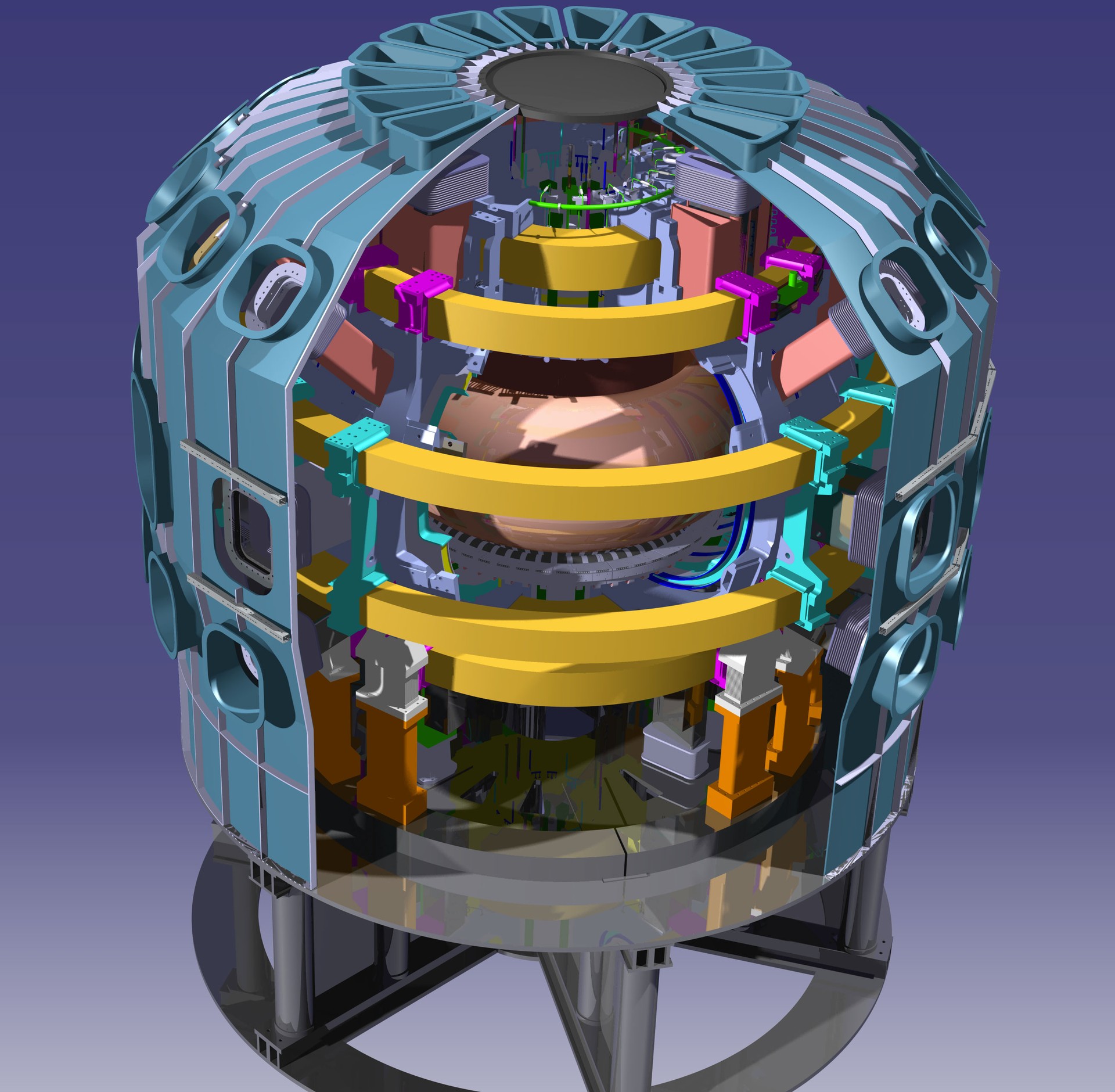
The Divertor Tokamak Test (DTT) facility is currently under construction at the Frascati ENEA Research Center in Frascati, Italy. The project is being overseen by a consortium of public companies, universities, and the Italian government. The goal of DTT is to test different solutions for viable tokamak divertors.
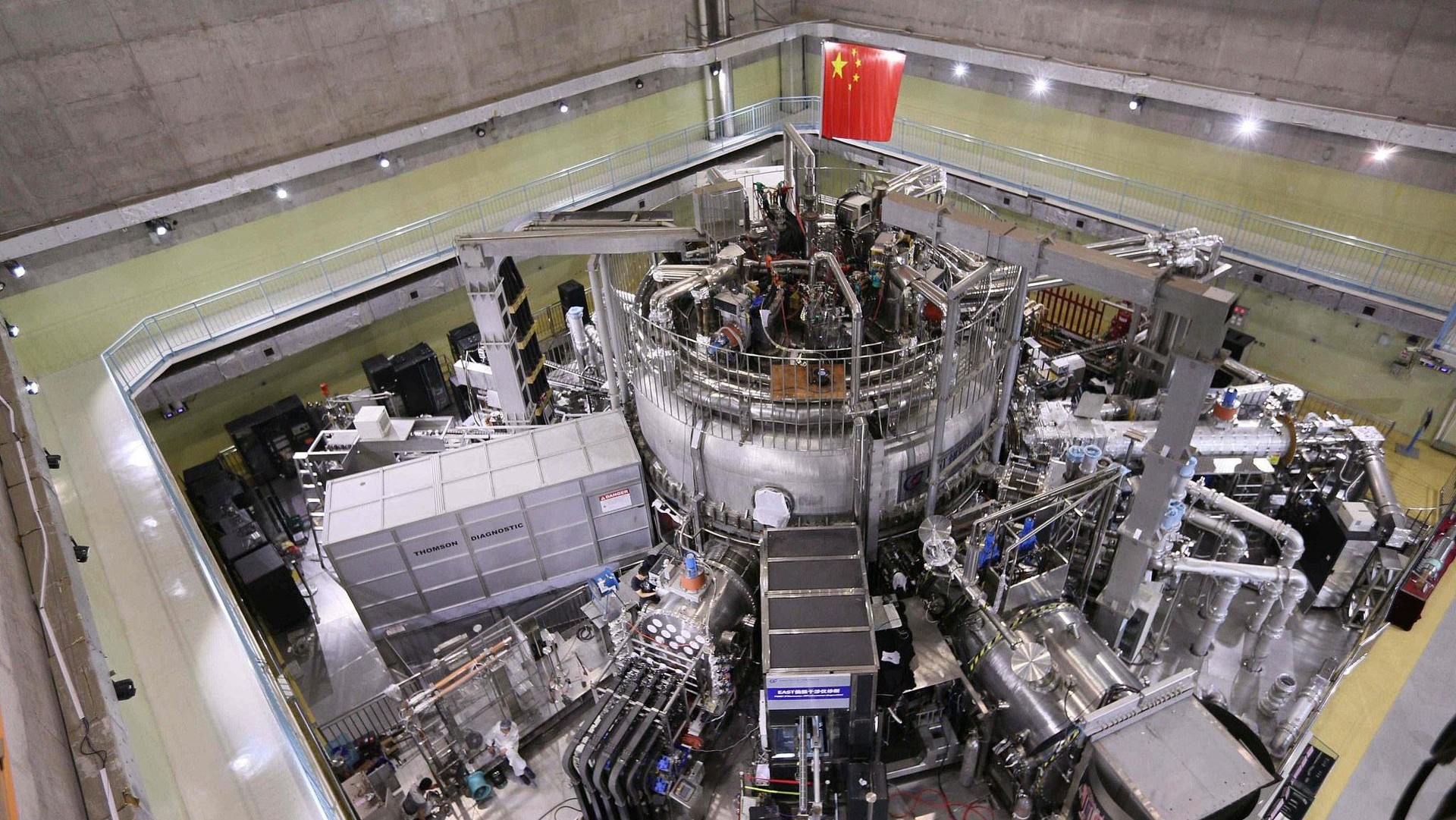
EAST
Hefei Institutes of Physical Science
2006 - Present