Tokamak Energy’s ‘Focus Collection’ featured in prestigious Nuclear Fusion journal
Aug 18, 2026 • Tokamak Energy

Princeton, New Jersey, United States
Steve Cowley, Director
Princeton Plasma Physics Laboratory (PPPL) is a Department of Energy funded research center managed by Princeton University. PPPL conducts research on plasma with the goal of developing fusion as a sustainable energy source. It was established in 1951 and continues its work as a national laboratory.
Aug 18, 2026 • Tokamak Energy
Aug 12, 2026 • ANS Nuclear Newswire
Jun 25, 2026 • United Kingdom Atomic Energy Authority
Jun 22, 2026 • General Fusion
Jun 18, 2026 • ANS Nuclear Newswire
Jun 17, 2026 • ANS Nuclear Newswire
Aug 17, 2026 • Plasma Physics and Controlled Fusion
Aug 9, 2026 • Plasma Physics and Controlled Fusion
Aug 7, 2026 • Nuclear Fusion
Aug 4, 2026 • Nuclear Fusion
Aug 3, 2026 • Nuclear Fusion
Jul 31, 2026 • Nuclear Fusion
Jul 30, 2026 • Nuclear Fusion
Jul 27, 2026 • Plasma Physics and Controlled Fusion
Jul 24, 2026 • Plasma Physics and Controlled Fusion
1979 - 1985

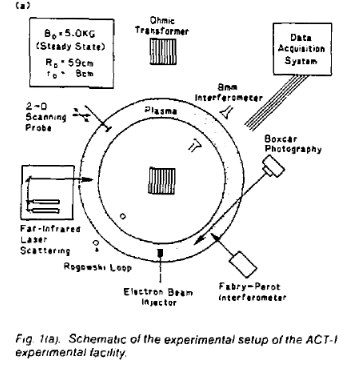
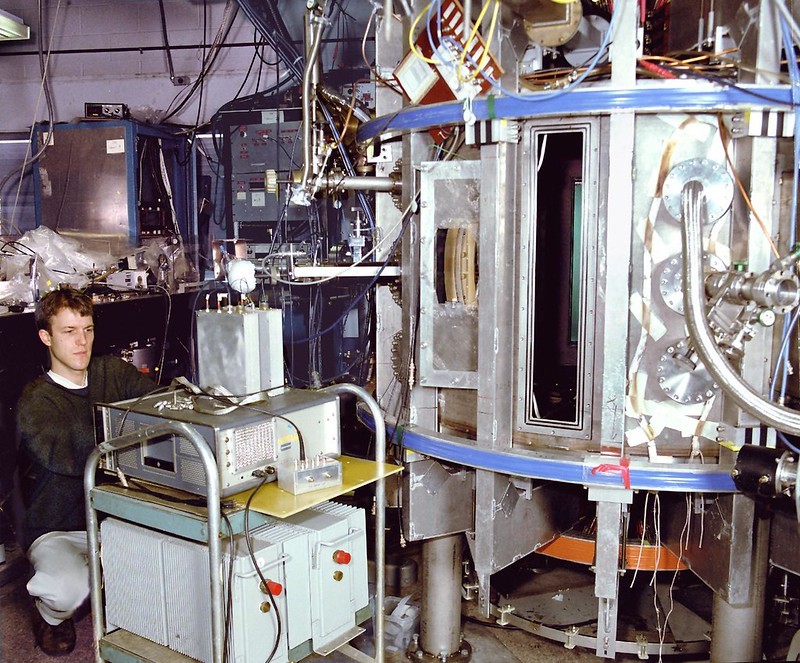
The Advanced Concept Torus (ACT-1) was a steady state toroidal device which was operated at PPPL. Its vacuum chamber was made of aluminum with a water cooling system and 26 toroidal field coils capable of produce a 0.56 T magnetic field on the axis. ACT-1 had a toroidal plasma with a minor radius of 10 cm and a major radius of 59 cm. It was used for the study of radiofrequency heating, specifically in lower hybrid waves and ion cyclotron waves. In 1985, ACT-1 was converted into the Current Drive Experiment (CDX)
1986 - 1989
The Current Drive Experiment (CDX) was a device located at PPPL. It was an upgrade of ACT-1 made to explore current drive and current profile control methods. CDX was the first tokamak to use the DC helicity injection concept (a method to continuously inject electrons to maintain the plasma current) to initiate and maintain the plasma discharge. In 1989 CDX was upgraded into CDX-U to explore the helicity injection in a small aspect ratio device.
1992 - 2005

The Current Drive Experiment-Upgrade (CDX-U) was an upgraded version of CDX located at PPPL. CDX-U was the first spherical tokamak in the United States and was originally made to continue the research from CDX but in a spherical tokamak configuration. In 2000, CDX-U began operations with a liquid lithium limiter in contact with the plasma. This addition made a major improvement in the energy confinement time since the lithium absorbs impurities which drive energy losses. These results led to the transformation of the device into LTX in 2005.
1957 - 1961

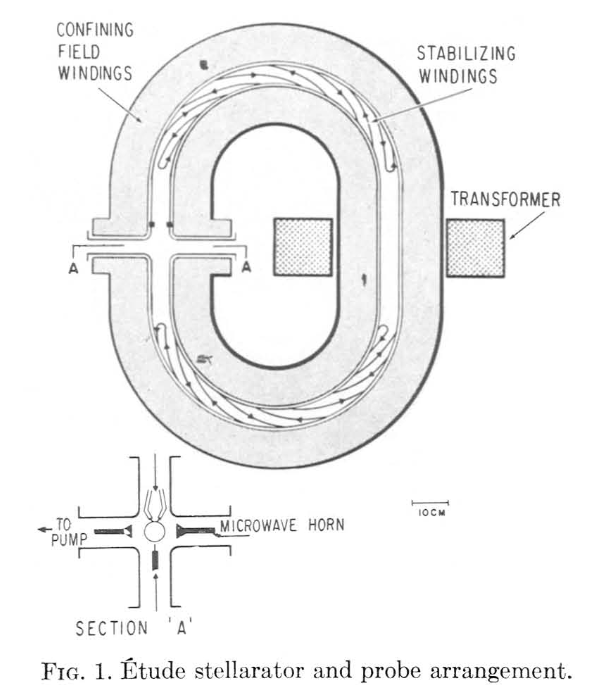
The Étude stellarator was a device built and operated at Princeton University as part of Project Matterhorn (today PPPL). It was originally named A-2 but was renamed as Étude which is the french word for "study". It was a steady-state device with a racetrack geometry used mainly for the study of collective plasma behavior, drift waves, and ohmic heating. Étude had water cooled helical windings that produced a rotational transform and magnetic shear. It was built with 5 cm diameter stainless steel tubes and confining magnetic field of 0.67 T.
2018 - Present

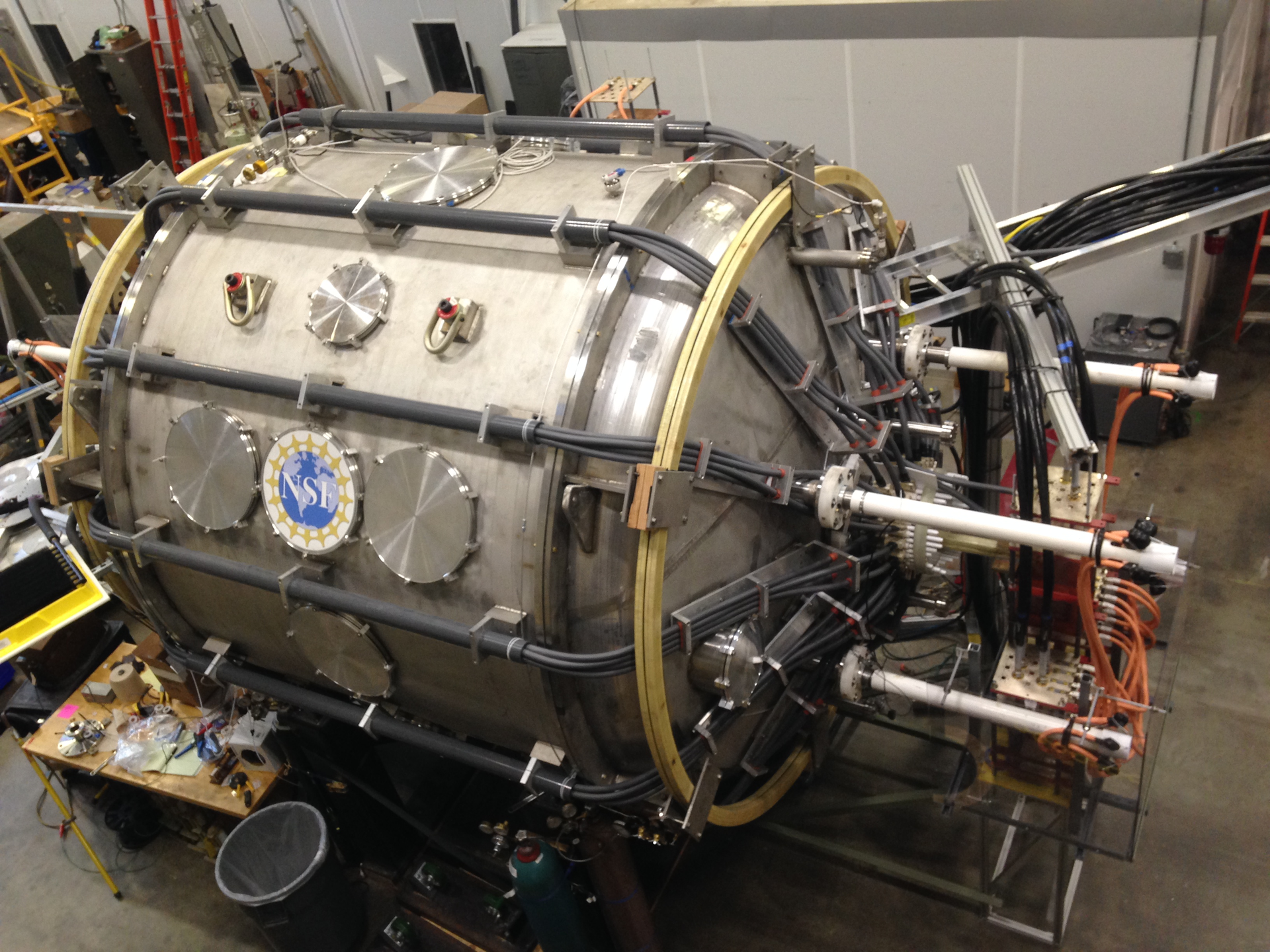
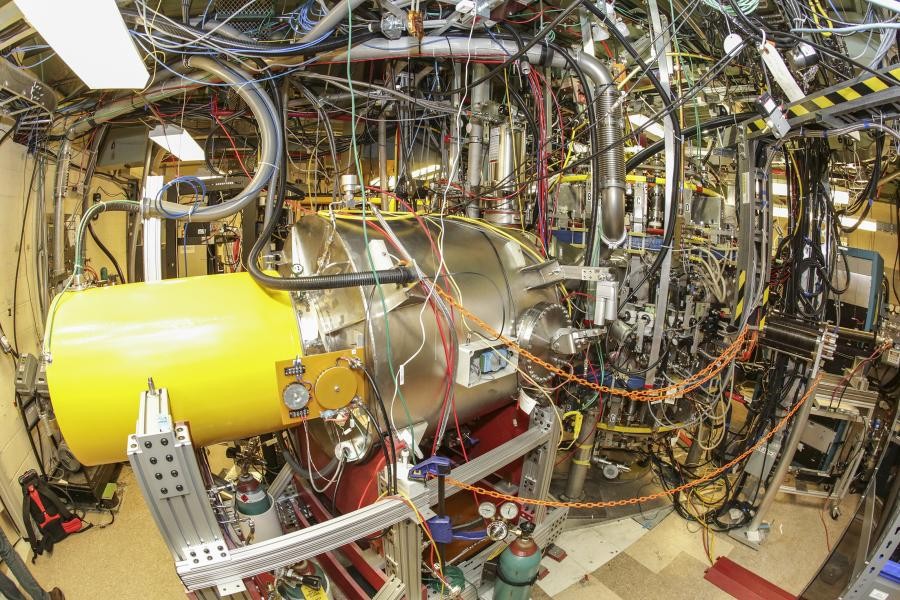
The Facility for Laboratory Reconnection Experiments (FLARE) is a joint project of five universities and two DoE national laboratories: Princeton University, University of California - Berkeley, University of California - Los Angeles, University of Maryland, University of Wisconsin - Madison, PPPL and LANL. It started operations in 2018 at Princeton University and since 2019 it is located at PPPL. FLARE's design is based in MRX but at a larger scale. As MRX, its main objective is to study the magnetic reconnection process for astrophysical and fusion research. FLARE has a 3m diameter and is 3.6m long and can produce magnetic fields up to 0.5T.
1971 - 1976

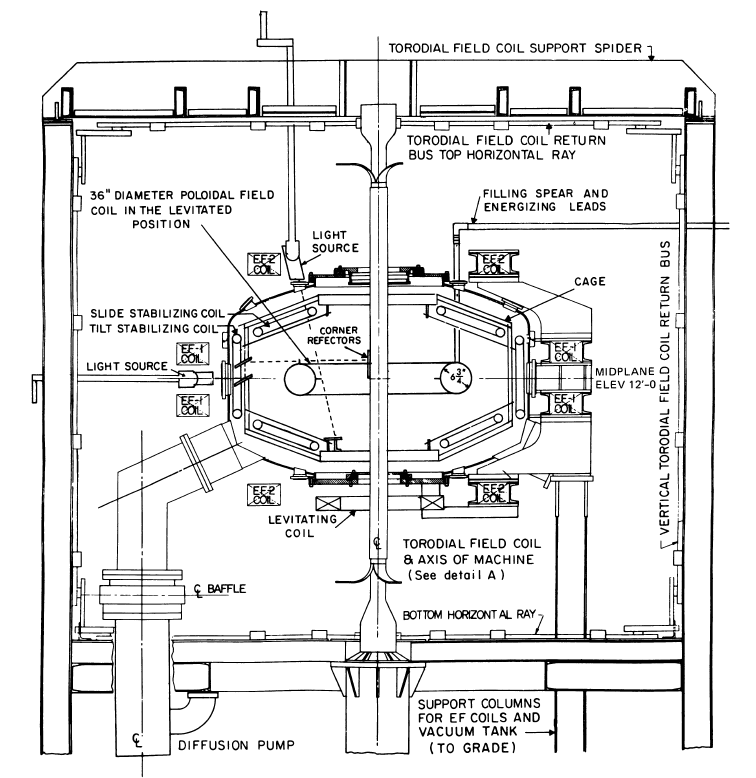
The Floating Multipole Machine (FM-1) was a spherator built and designed at PPPL. It was a bigger version of the LSP device. This device had an internal superconductive ring of 0.75 m major radius with a current capability of 350 kA. This ring levitated due to its own magnetic field interacting with 5 sets of stabilization coils and was able to remain afloat for an 8 hour experimental shift in a room temperature environment. FM-1 reached electron temperatures around 100 eV and ion temperatures below 5 eV . Its typical magnetic field was around 0.3 T and reached a confinement time up to 3 seconds. FM-1 is considered one of the earliest poloidal divertor experiments.

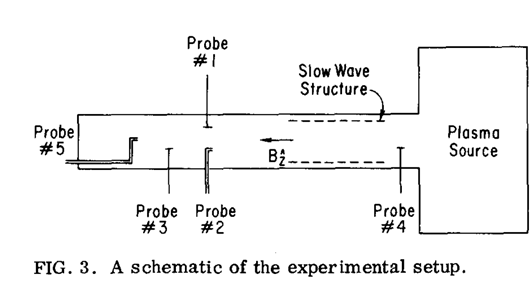
L-3 was a steady state linear device operated at PPPL. It was used to investigate the resonance cone trajectory’s alteration due to modifications of plasma densities produced by strong localized electric fields. L-3 was 4m long and had a plasma diameter of 10cm and was able to reach magnetic fields up to 0.2T. Plasmas in L-3 had densities around 10<sup>16</sup> m<sup>-3</sup> and temperatures of 3 eV (electron) and below 0.1 eV (ion).
1966 - 1966

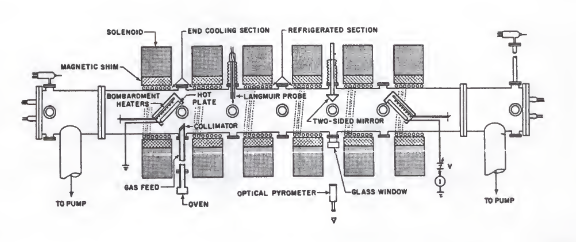
Linear Multipole (LM-1) was a linear device used in research at PPPL. This device was made mainly to study plasma losses, heating and fluctuations. LM-1 was made with two 5m long parallel conductors, capable of producing magnetic fields up to 0.4 T. The conductors were located inside stainless steel casing to prevent displacement due to mutual magnetic attraction. The device also had different set of coils, including axial magnetic field coils and magnetic mirror to reduce particle losses. It also had plasma limiters that were also used to measure particle loss.
Plasmas in LM-1 were produced using ECRH using microwaves between 2.45 GHz and 10 GHz. The usual plasmas made in LM-1 had electron temperatures below 10 eV and had a density between 10<sup>16</sup> and 10<sup>19</sup> m<sup>-3</sup>. LM-1 used Langmuir probes, magnetic probes, microwave interferometers, spectroscopy, and particle loss detectors as diagnostics.
1970 - 1971
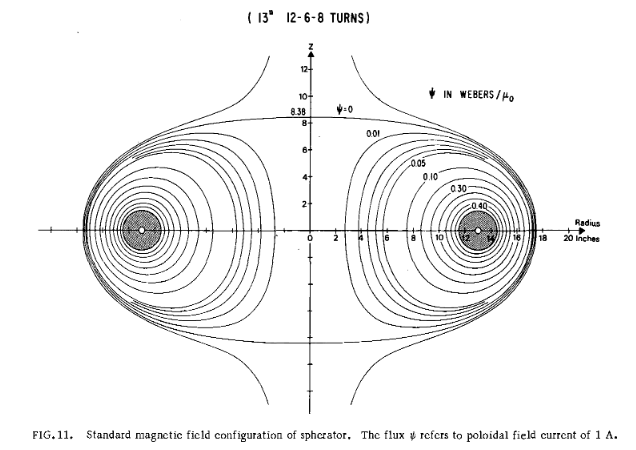
The Levitated Spherator (LSP) was the first spherator built with a levitated internal ring at PPPL. LSP was similar to SP-3 in geometry but without the internal ring supports. The idea of levitating the ring instead of using mechanical supports was to increase the confinement time by eliminating the particle losses due to asymmetries caused by the supports in previous spherators.
It had a superconductive internal ring with a radius of 0,46 m and capable of transporting a 85 kA current, that was levitated with magnetic fields. To keep the superconductivity, the ring was filled with liquid helium to keep it cold. It used ECRH heating with 10ms pulses of 1kW 2.45 GHz microwaves and steady heating of 60 W 3.5 GHz microwaves, which produced temperatures up to 10 eV. LSP was also heated ohmically, reaching temperatures up to 100 eV. This device had an average magnetic field of 0.1 T. FM-1 was a larger version of this device.
2008 - 2016

The Lithium Tokamak Experiment (LTX) was a tokamak located at PPPL that was constructed as an upgrade of CDX-U. It was the first device to have a full liquid lithium wall and was used to study lithium as a plasma facing material. LTX had a toroidal field of 0.17 T and reached a plasma current around the 100 kA. It had a major radius of 40 cm and an aspect ratio of 1.6. In 2016, LTX ended operations to be upgraded to LTX-β.
2018 - Present

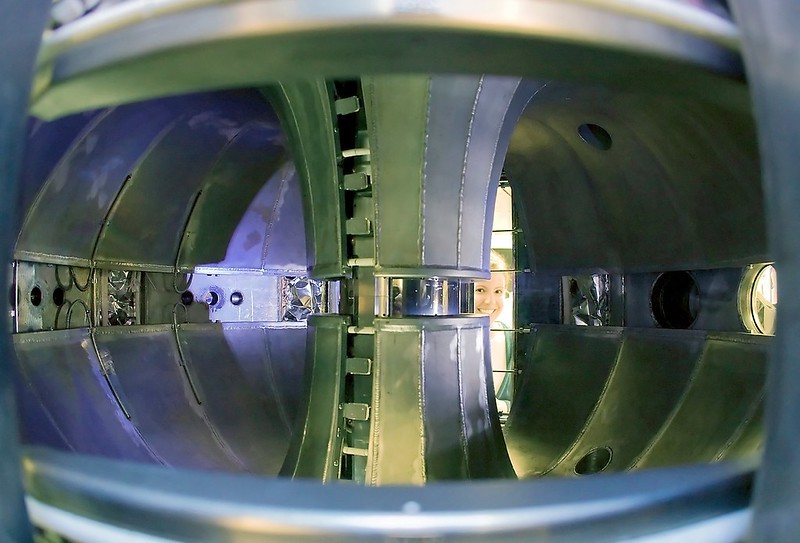
The Lithium Tokamak Experiment β (LTX-β) is a spherical tokamak based at PPPL. LTX-β is the upgraded version of LTX. Although LTX-β maintains LTX's geometry, the toroidal field, the plasma current and the heating were improved. Among the upgrades, two neutral beam injection systems were installed, both provided by TAE Technologies. The main objective of LTX-β is to test the confinement of hotter plasmas than those achieved in previous devices.
1999 - Present

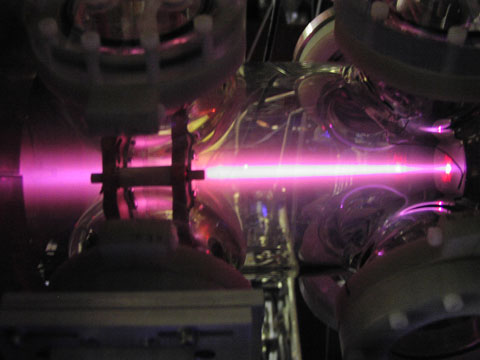
The Magnetic Nozzle Experiment (MNX) is a device built at PPPL for the study of plasma recombination due to rapid cooling. It is a linear device with 22 coils that produce magnetic fields up to 0.35 T. The plasma is heated in a stainless steel chamber using a 1 kW RF generator, which operates at 27 MHz and then it is then expanded in a Pyrex tube. MNX has achieved a maximum temperature of about 7 eV and a density of 10<sup>20</sup> m<sup>3</sup>. MNX research is relevant in a wide range of plasma applications, such as propulsion and plasma processing. In fusion, it is used to improve the understanding of particle exhaust problems.
1995 - Present

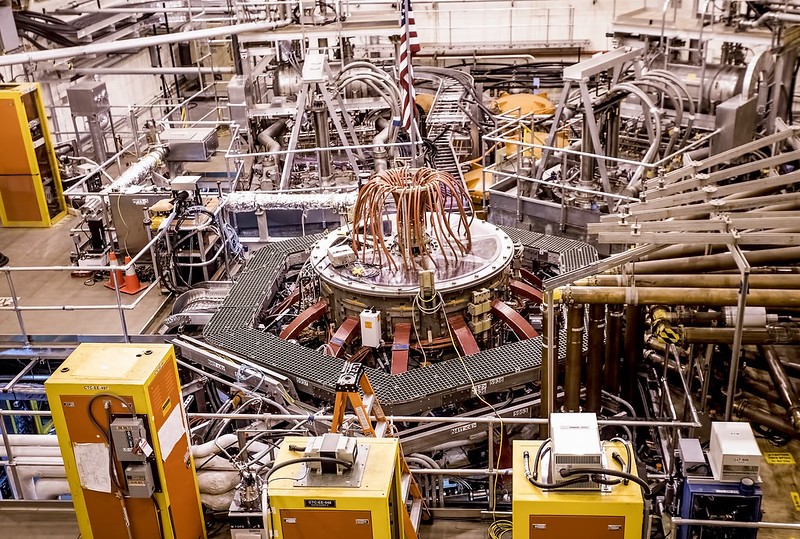
The Magnetic Reconnection Experiment (MRX) was a FRC device designed and built at PPPL in 1995. The motivation to design and build this device was to study the physics of local and global magnetic reconnection within a MHD plasma. For the construction of this device, some components of previous devices, including the stabilization coils of S-1, were recycled. MRX produced magnetic fields up to 0.1 T and plasma currents of up to 100kA
Understanding magnetic reconnection is important for both fusion physics and astrophysics communities. Due to its importance in its study, the MRX receives funding from various agencies, including DOE and NASA. MRX inspired the design of FLARE, a bigger device made to continue reconnection studies.
1953 - 1953

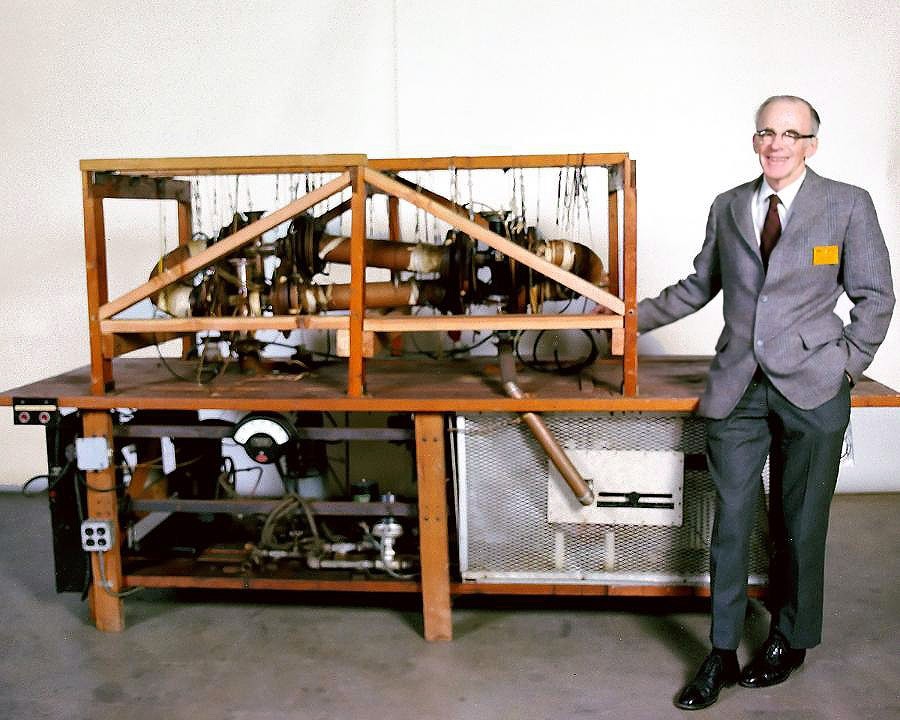
Model A was the world's first stellarator. It was a table-top device with a figure-8 shape made at the Project Matterhorn facilities (now known as Princeton Plasma Physics Laboratory or PPPL) at Princeton University. The vacuum chamber was made of 5 cm diameter circular cross section Pyrex glass tubes. The plasma was produced with inductively coupled radio frequency electric fields and confinement coils were energized by a DC generator.
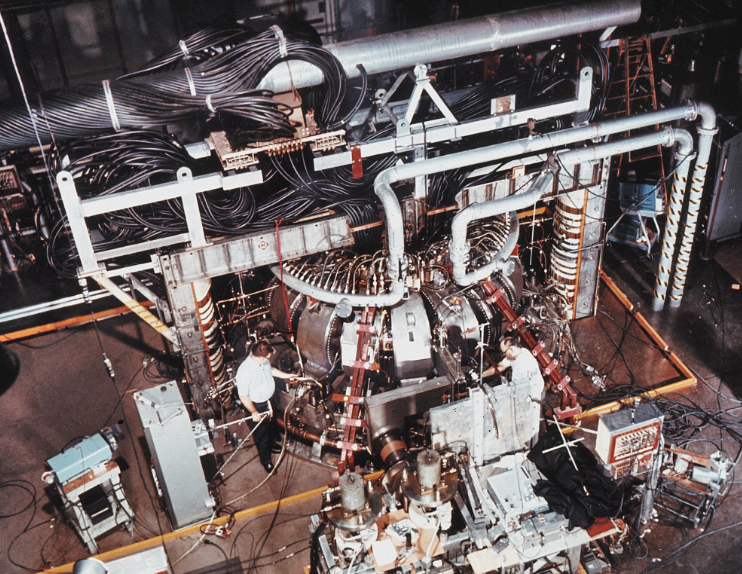
Model A's main goal was to demonstrate that the magnetic confinement idea works. Once this was achieved, Model A went out of operation and research continued with the construction of Model B.
1954 - 1959

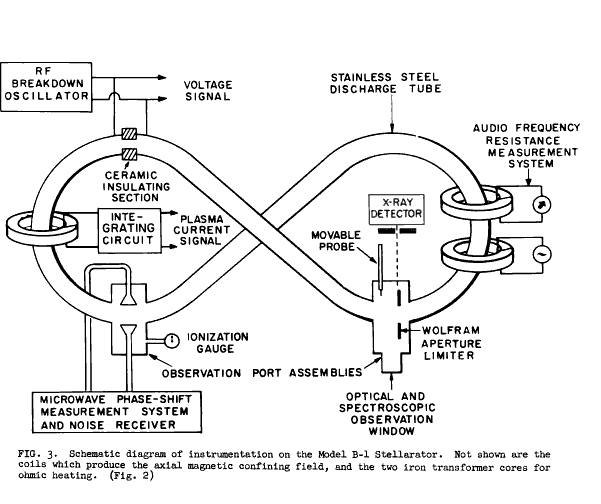
Model B-1 was the first version of a series of devices built at PPPL under the name "Model-B". Like Model A, this stellarator was made from 5 cm diameter Pyrex tubes in a figure-eight configuration but with a much stronger magnetic field (around 3T). It utilized ultra-high vacuum and the plasma reached 100 eV temperatures using ohmic heating. The magnetic confinement produced with this device was excellent for single particles but it failed to maintain a confined plasma for greater than 10 ms, mainly because of collective plasma behavior and transport.
1956 - 1958

Model B-2 was a bigger version of Model B-1. It still used 5 cm cross-section diameter tubes but also included a 50 cm long section with an expanded diameter. It used ohmic heating, which produced similar results to the ones obtained in B-1, including short confinement times. Model B-2 was built to study the magnetic pumping process of heating. Although this process made it possible to reach higher temperatures, the presence of impurities and the short confinement times precluded the achievement of the expected temperature of 1 keV. This stellarator was exhibited at the United Nations' Second International Conference on the Peaceful Uses of Atomic Energy in Geneva, Switzerland.
1958 - 1966

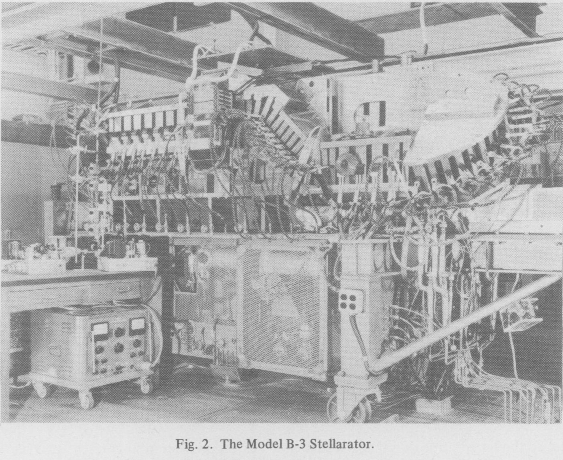
Model B-3 was the last device made with a figure-eight configuration in PPPL. As most of the Model Bs, it was made using 5cm diameter tubes. It was used to study confinement of ohmically heated plasmas and included helical windings, a divertor, and a gas purification system. The helical coils didn't improve the confinement and due to "pump-out", confinement time was only a few microseconds. These results confirmed that the actual confinement was lower than classical predictions and phenomena like pump-out needed further research.
The results of the Model B-3's ion-cyclotron heating and the general data gained about stellarator operating conditions led to the construction of Model B-66.
1955 - 1967
Model B-64 was a figure-eight shaped stellarator operated at Princeton Project Matterhorn (today, PPPL). It was made using 10 cm diameter stainless steel tubes.
It had square corners which made it look like an squared 8, so it was originally named Model B-8<sup>20</sup>. However, since at that point the project was classified, the United States Atomic Energy Commission security office objected to the name claiming that the secret of the figure-eight shape was compromised and the 8<sup>2</sup> was substituted with a 64.
Model B-64 was the first device to use a divertor, which enabled ion temperatures of 50 eV and electron temperatures of 80 eV, improving on the 10 eV temperatures reached prior the installation of the divertor.
1956 - 1956
Model B-640 was the Model B-64 reassembled in a race-track geometry (represented in the 0) for an experimental campaign in 1956. In this new geometry, the rotational transform was zero and a strong ohmic heating was used. Even though it was not realized at that moment, that characteristic made the device a tokamak and not a stellarator. For this reason the B-640 is considered the first tokamak in the United States.
1957 - 1967

Model B-65 was a race-track shaped stellarator built at Princeton University. It was the first race-track device with helical windings to provide rotational transform and magnetic shear. It also included Model B64's divertor which improved the heating, which led to reported temperatures above 100 eV. Model B-65 was also used for the first high power ion-cyclotron heating experiments using deuterium.
1959 - 1969
Model B-66 was the last of the B series stellarator devices. It had a racetrack shape but was used mainly as a magnetic mirror rather than as stellarator. It had a stronger magnetic field than its predecessors and an a ultra high vacuum system. B-66 was used to test the magnetic pumping at the ion cyclotron frequency and reached temperatures of about 200 eV.
1962 - 1969

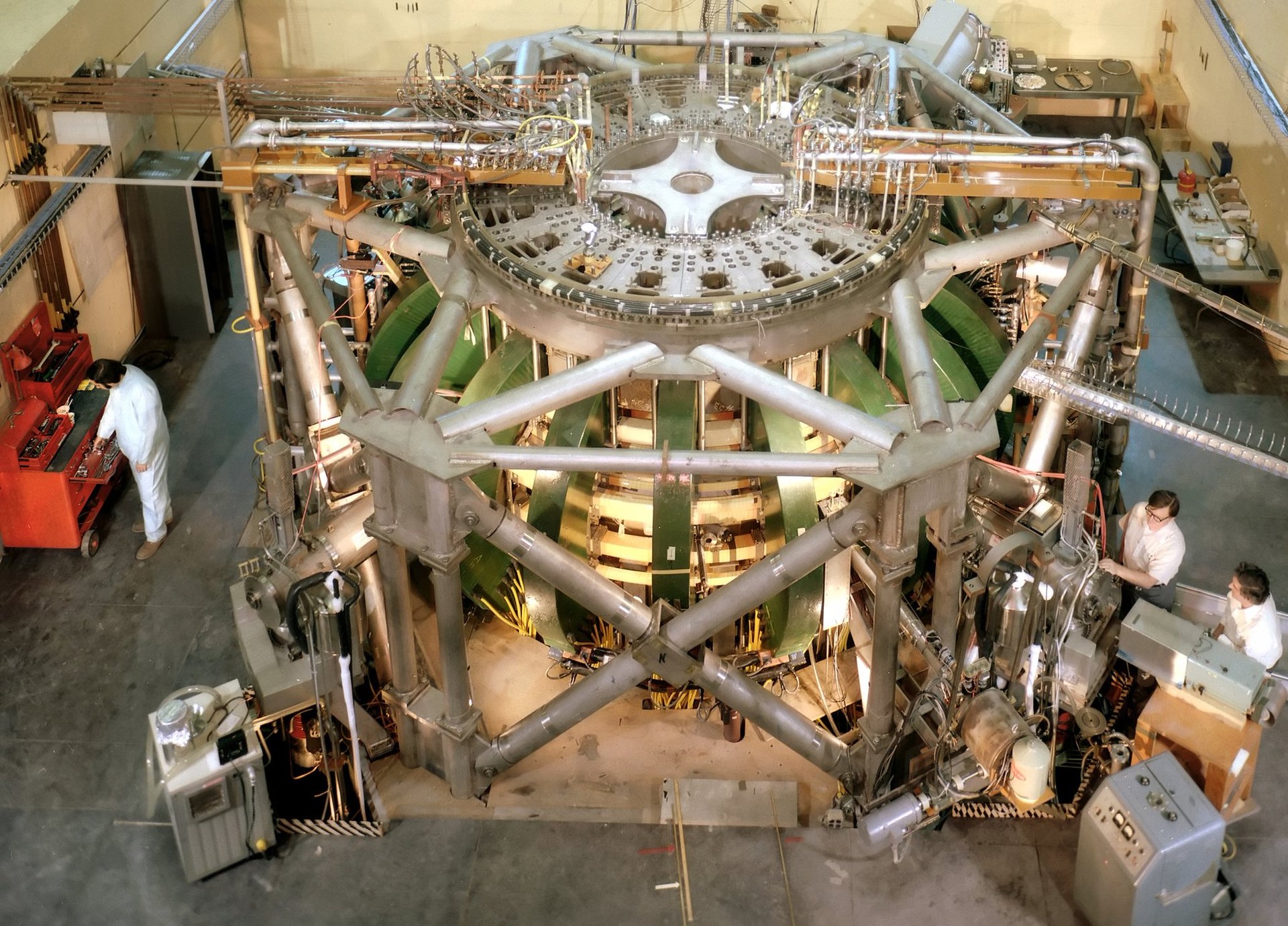
Model C was a stellarator built and operated at the Princeton Plasma Physics Laboratory (PPPL). The device's design and implementation planning began in 1954 and started operations in March 1962.
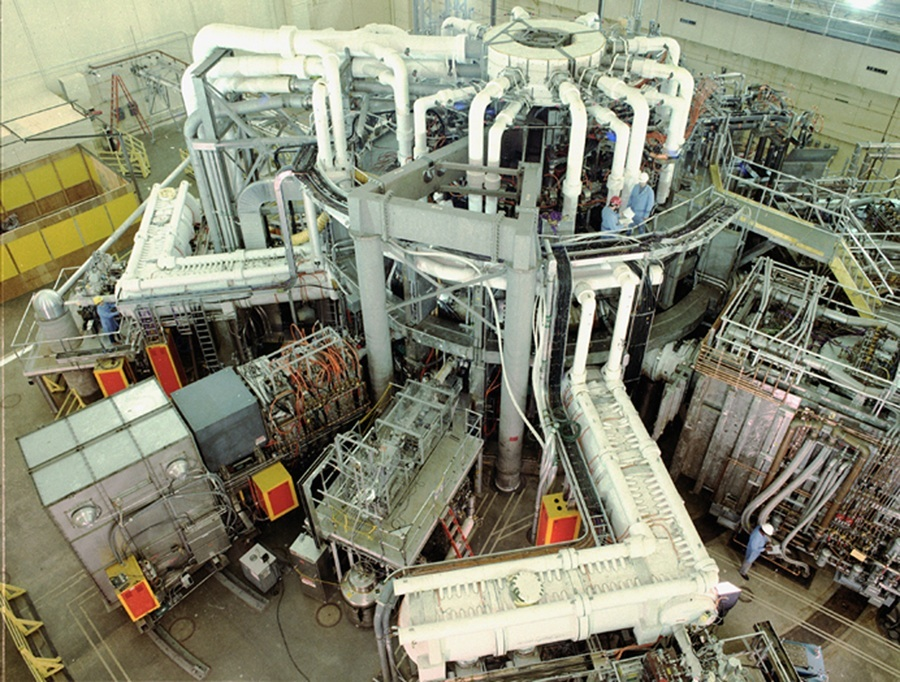
Model C was the biggest of a series of stellarators that marked the beginning of fusion research at Princeton. It had a racetrack-like geometry with two semicircular sections with helical windings connected with two straight segments, one that contained a divertor and the other contained 4 MW of ion cyclotron resonance heating. Even though Model C represented a major upgrade in comparison with models A and B, it did not achieve the expected temperature and confinement results for which it was designed.
Finally, in 1969, Model C stopped operations and was converted into a tokamak geometry, changing its name to Symmetric Tokamak (ST).
2004 - 2008

The National Compact Stellarator Experiment (NCSX) is an uncompleted stellarator designed by PPPL. It had a quasi-axisymetrical magnetic field configuration and was planned to have a strong bootstrap current to contribute to the plasma confinement, similarly to tokamaks' operation principle. NCSX's construction began in 2004 but due to increasing financial requirements that exceeded the initial cost estimation, the project was cancelled in 2008. PPPL reports that at the time of cancellation, 80% of the major components of NCSX were already built or procured.
1999 - 2012

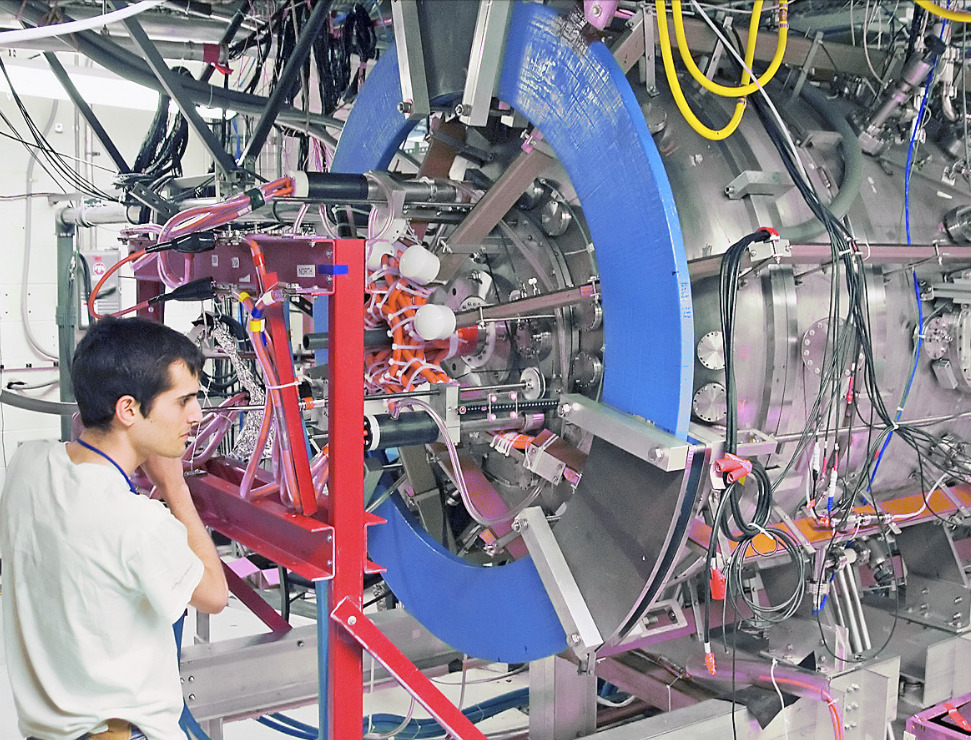
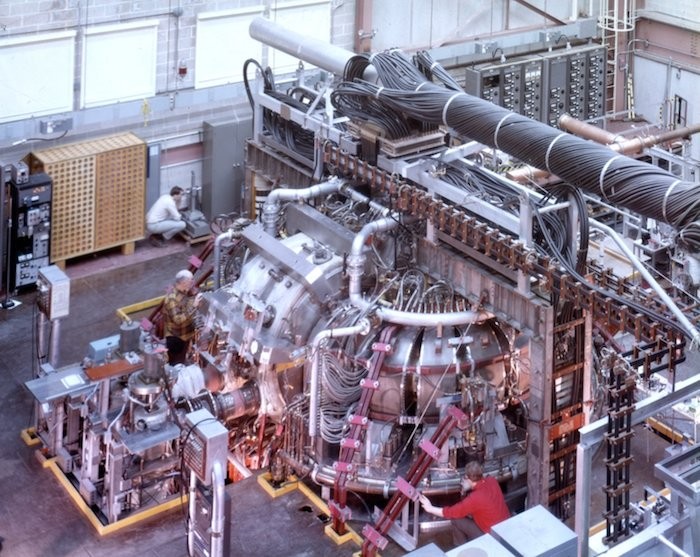
The National Spherical Torus Experiment (NSTX) was a spherical tokamak built at PPPL. It began operations in February of 1999. The NSTX device was built with the objective of studying the behavior of the spherical tokamak configuration in the mega ampere regime. It was designed to work with a confinement magnetic field of 0.55 T and to reach a central temperature between 1 to 3 keV. In 2012, NSTX ended operations to undergo a mayor upgrade. Once this upgrade was finished, the device became NSTX-U.
2016 - Present

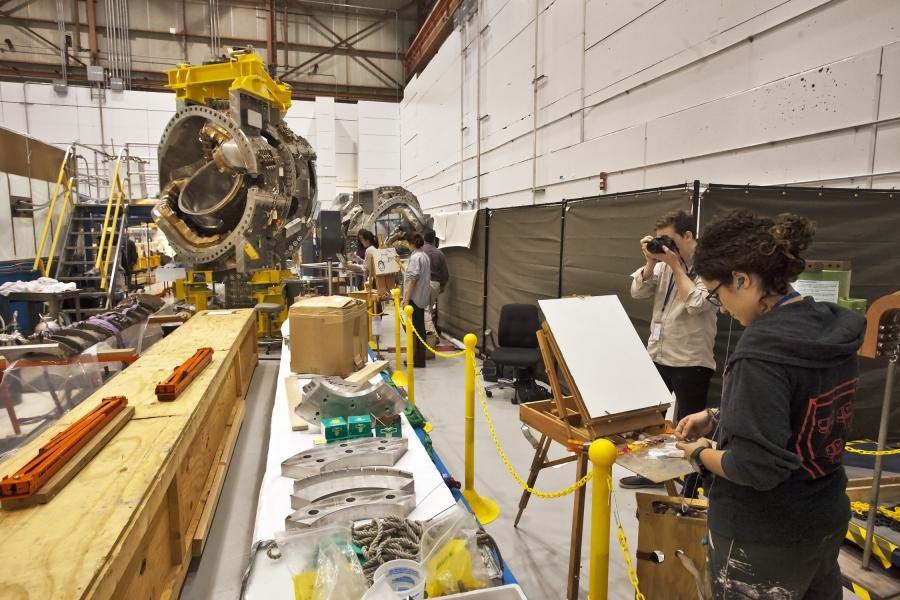
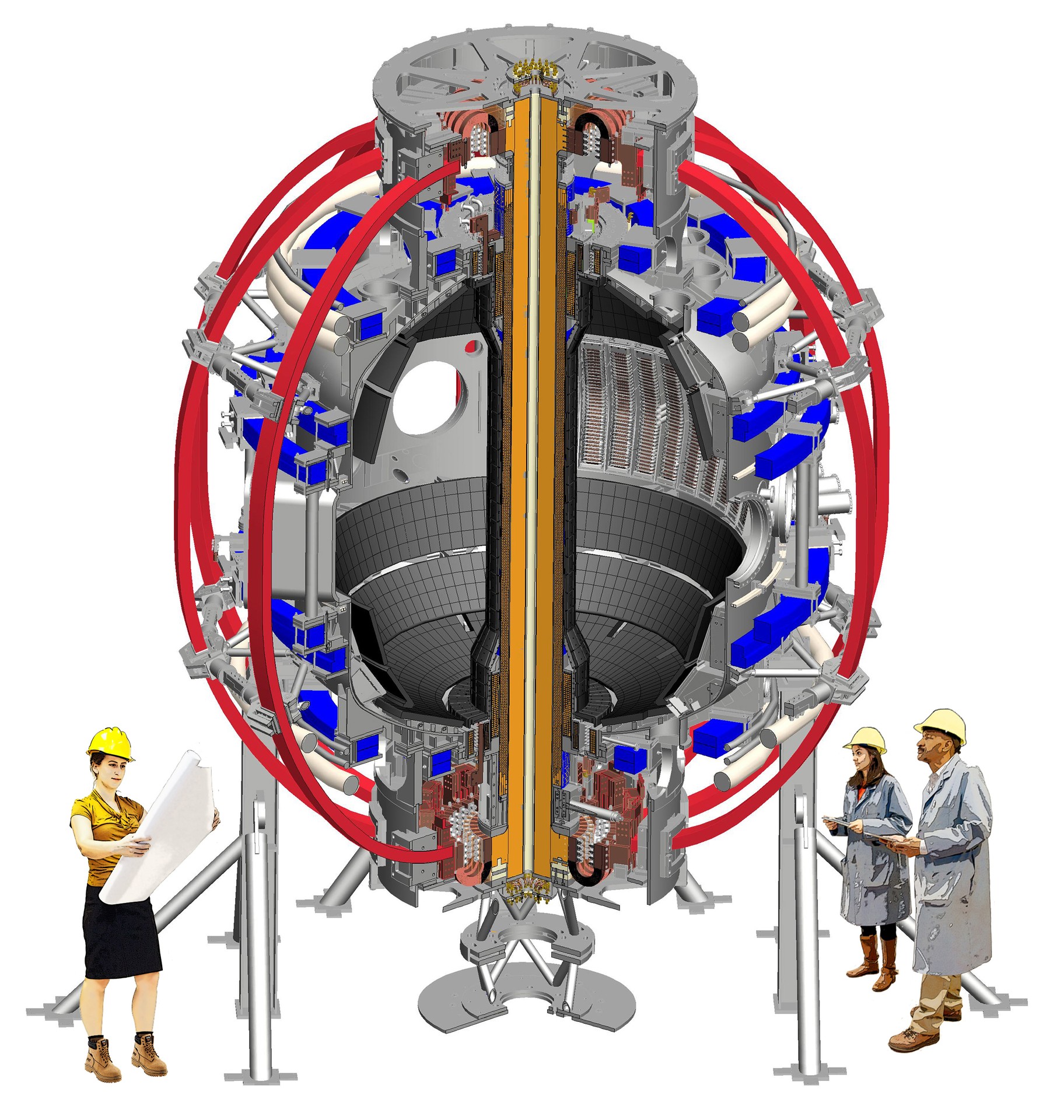
The National Spherical Torus Experiment Upgrade (NSTX-U) is the name which NSTX, located at PPPL, is known after a major upgrade that began in 2012. The main upgrades made were a larger centerstack to improve the magnetic confinement, an additional neutral beam injector to improve heating and structural enhancements to adapt the coils and vacuum vessel to the new working conditions. NSTX-U was operational for 10 weeks in 2016 but a failure in one poloidal coil forced the device to shut down and undergo a major repair process. It is expected that NSTX-U will resume operations in 2021.
1984 - 1986

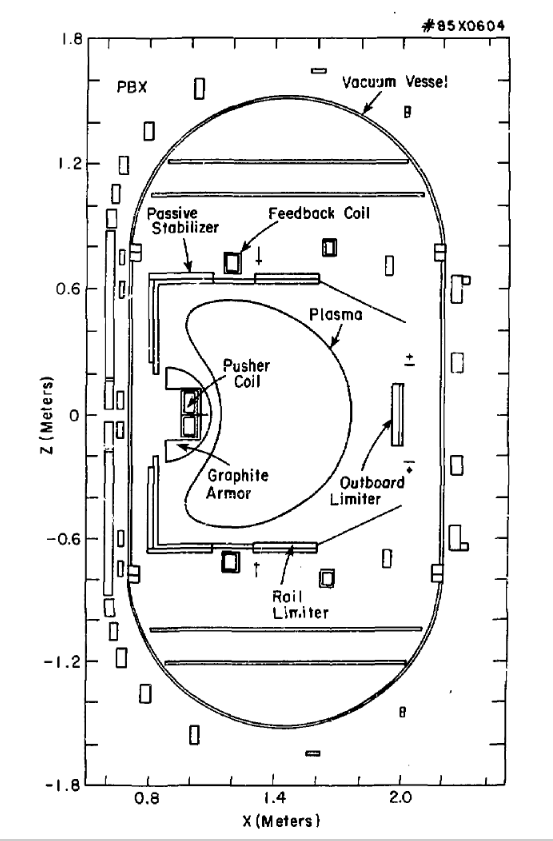
The Princeton Beta Experiment (PBX) was an upgrade made to PDX at PPPL. Its objective was to produce plasma with higher β values than the obtained in conventional tokamaks by reducing some instabilities presented in other devices. This reduction was achieved by shaping its plasma cross section like a kidney bean, which also increased the plasma current capacity of the plasma. PBX was able to achieve β values of 5.3%, a record at its time. In 1986, PBX was shut down to be transformed into PBX-M.
1987 - 1993

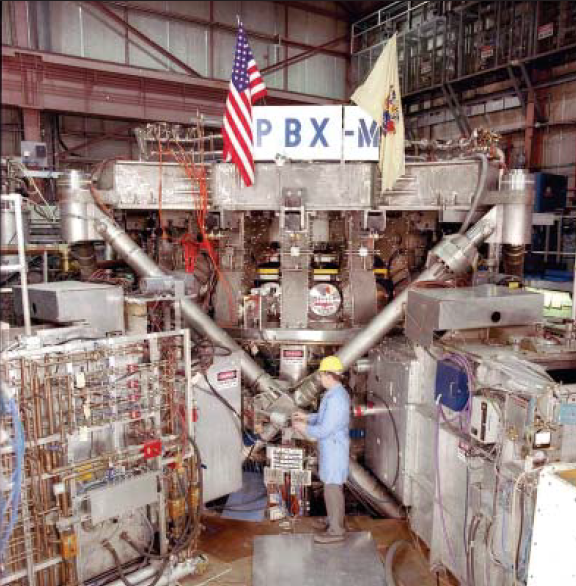
Princeton Beta Experiment Modified (PBX-M) was an upgrade of PBX. It was an advanced concept tokamak built with the objective to show the practicality of controlling the plasma current and pressure distributions to achieve stable and advanced operating regimes and to avoid plasma disruptions. As part of the modifications, the plasma major radius was increased from 1.45 m to 1.65 m, which made it possible to include a divertor and new coils inside the vacuum vessel. Other upgrades were the improvement of the plasma shaping control system, the installation of an Ion Bernstein wave antenna and the installation of new diagnostics. With this modifications, the volume-averaged toroidal β values and ion temperatures reached higher values than in PBX, reaching a β of 6.8% by 1988.
PBX-M final operation occurred in November 1993, but it remained unused at PPPL until 2003, when it was finally disassembled.
1978 - 1983

The Poloidal Divertor Experiment (PDX) was a tokamak built in PPPL in the late 70's that was designed with a poloidal divertor. Its main goals were to study the effectiveness of the poloidal divertor in the control of impurities and instabilities, as well as the study of different plasma cross section shapes in the device. In 1982, PDX was modified into a closed divertor geometry and the outer divertor coils were removed. In 1983, PDX was shut down and was converted into PBX.
1975 - 1986

The Princeton Large Torus (PLT) was a tokamak built in PPPL in 1975. It had a major radius of 1.32 m and a minor radius of 0.40 m, which made it one of the largest devices of its time. PLT was initially used in Ohmic and neutral beam heating research but was later used in RF heating research too. During its lifetime, PLT achieved some important results like setting record ion temperatures using either neutral beam injection or RF heating methods. In December 1986, PLT ceased operations.
2002 - Present

The Paul Trap Simulator Experiment (PTSX) is a quadrupole ion trap (also known as Paul trap after Wolfgang Paul, inventor of this kind of devices) located at PPPL. It is a 3m long device that simulates the conditions of a larger particle accelerator, making possible to study phenomena with much lower spatial requirements. PTSX is used in research of different fields, including particle physics and high energy physics. In fusion, it is used in the study of heavy ion fusion and tritium production.
1980 - 1980
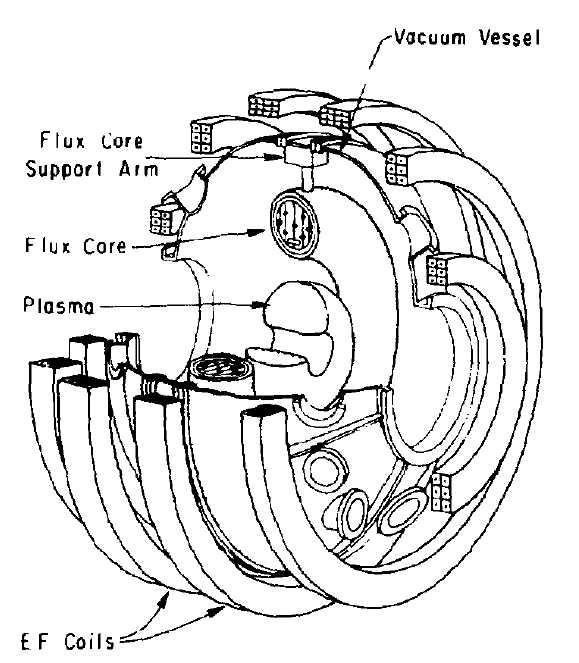
Proto S-1A (sometimes known as Proto S-1A/B) was a prototype of S-1 built at PPPL in 1980. Its parts were a scaled down version of the S-1 device, 1/6 of the size of the main device. It was made to demonstrate the viability of the spheromak concept. Proto S-1A had a 15cm major radius and 3cm minor radius flux core which contained a 3-turn poloidal flux coil and a 40-turn toroidal flux coil. The core was covered with a 3mm thick stainless steel enclosure that functioned as a vacuum vessel and helped to symmetrize the induced fields. Discharges were made using hydrogen, helium and argon with pressures around 20 to 50 mTorr. Proto S1-A was able to maintain its fully formed configuration for 12 μs. After Proto S-1A, another prototype was built: Proto S-1C
1981 - 1983
Proto S-1C was a prototype of S-1 built at PPPL. It was a bigger version of Proto S-1A and 1/3 of the size of S-1. It was used for impurity control studies.
1960 - 1980

Q-1 was a linear alkali-metal-ion plasma device operated at PPPL. It was used to study the effects of the instabilities caused by impurities (for example, cesium ions) injected in the plasma. It had a length of 1.2 m and a radius of 0.1 m. It was able of producing magnetic fields up to 0.7 T and achieved temperatures up to 3 eV.
1976 - 1976

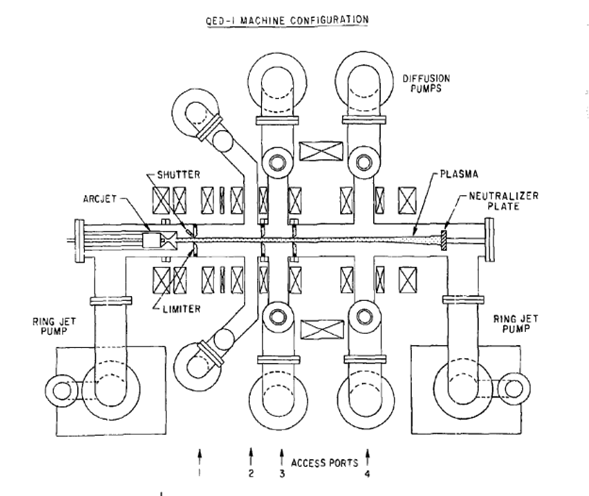
The Quiet-Energetic-Dense (QED-1) device was an arcjet linear device located at PPPL. It had a length of 1.6 m and a radius of 0.1 m. It could achieve up to 0.6 T magnetic field and electron and ion temperatures of 15 eV. The electron densities were between 10<sup>18</sup> and 10<sup>21</sup> m<sup>-3</sup>. It was built to improve the understanding of plasma stability in high density plasmas and was an improved version of a similar device constructed in UCLA.
1983 - 1987

The S-1 was a spheromak located at PPPL. Its main objective was to study confinement and MHD stability of the spheromak concept. It began operations in September 1983, after two operational prototypes were tested: Proto S-1A and Proto S-1C. During its operation, the toroidal plasma currents reached approximately 600 kA and maximum plasma electron temperatures up to 500 eV. The vacuum vessel was made of two stainless steel domes with a large viton seal between them. Its base pressure was around 10<sup>-8</sup> torr.
In 1987 S-1 was shut down for budgetary reasons. The studies of the effects of spheromak plasma compression could not be completed before the project ended.
1968 - 1969

Supported Spherator 1 (SP-1, sometimes called just Spherator) was a device built at PPPL. SP-1 had a 0.75 m diameter stainless steel vacuum vessel. It had a 0.325 m radius internal ring that was mechanically supported by six supports with 1/8" stainless rods (around 3 mm diameter) and was water cooled. This ring had a 72 kA current and produced a magnetic field of 0.1T.
The objectives of the experiment were to determine how the plasma is lost, to deterimine whether the plasma is unstable, and to study the production and the generation of plasmas in the spherator geometry.
SP-1 was later modified to reduce the feedthrough from 3 cm to 4 mm diameter by eliminating the water cooling system. The supports were also substituted with smaller rods (1 mm diameter). These modifications allowed the average flight distance of the particles (the distance before hitting a support or the feedthrough) to be increased from 10m to 50m.
1969 - 1969
Supported Spherator 3 (SP-3) was a spherator built at PPPL. It had a mechanically supported 0.46 m radius superconductive internal ring. The ring was supported with three 4mm upper supports and three 1mm lower supports.
1970 - 1974

Symmetric Tokamak (ST) was the first tokamak in the US, designed and built at PPPL. The origin of the design of ST was the Model C stellarator. After results in T-3 revealed that heating was more successful in tokamaks than in early stellarators, the team at PPPL decided to change the stellarator configuration to a tokamak configuration. The transformation required changes in the vacuum vessel geometry, changing from racetrack to a circular configuration. The magnetic coils were designed to produce magnetic fields between 3.5 and 4.5 T. After 5 months of extensive transformation, the ST finally started operations on May 1st, 1970. The ST quickly achieved similar results to T-3, which led to the end of the stellarator era at that time. ST achieved electron temperatures of 2.2 keV.
1982 - 1997

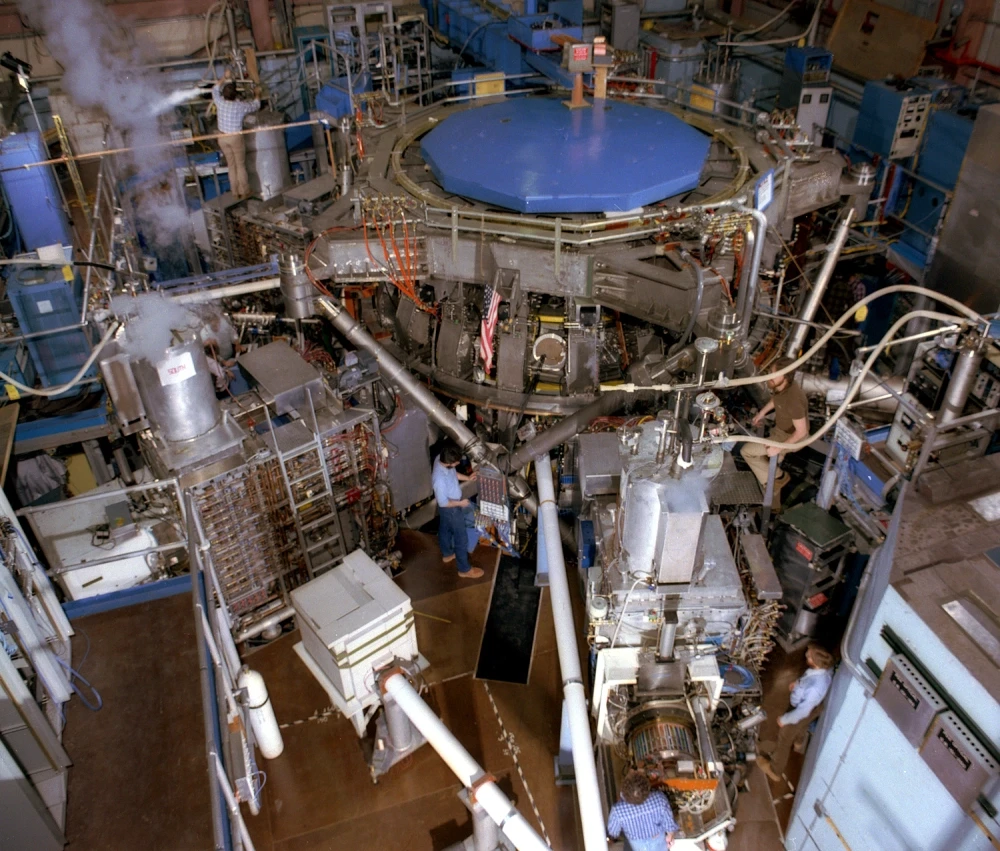
The Tokamak Fusion Test Reactor (TFTR) was a tokamak designed and built at PPPL. It was one of the main fusion research devices in operation from 1982 to 1997. It had a major radius of 2.48 m and a minor radius of 0.85 m, a toroidal magnetic field of 5.6 T and plasma currents around 3 MA.
In December 1993, the team at PPPL started an experimental campaign with the TFTR of 50/50 D-T discharges. During this campaign, TFTR established a world record of 6.3 MW fusion energy production, a milestone previously held by JET. In May 1994, TFTR set another fusion energy production record of 9.2 MW.
$450,000
$3,000,000
Princeton Plasma Physics Laboratory
Princeton, New Jersey, United States
Full-time
Found 9 days ago
Princeton Plasma Physics Laboratory
Princeton, New Jersey, United States
Full-time
Found 9 days ago
Princeton Plasma Physics Laboratory
Princeton, New Jersey, United States
Found 11 days ago
Princeton Plasma Physics Laboratory
Princeton, New Jersey, United States
Full-time
Found 22 days ago
Princeton Plasma Physics Laboratory
Princeton, New Jersey, United States
Full-time
Found a month ago
Princeton Plasma Physics Laboratory
Princeton, New Jersey, United States
Found 2 months ago
Princeton Plasma Physics Laboratory
Princeton, New Jersey, United States
Full-time
Found 3 months ago
Princeton Plasma Physics Laboratory
Princeton, New Jersey, United States
Full-time
Found 4 months ago
Princeton Plasma Physics Laboratory
Princeton, New Jersey, United States
Full-time
Found 7 months ago
New fusion energy jobs delivered to your inbox.
© 2019-2026 Triple Product Inc. Content available under CC BY-NC 4.0. Terms of Use